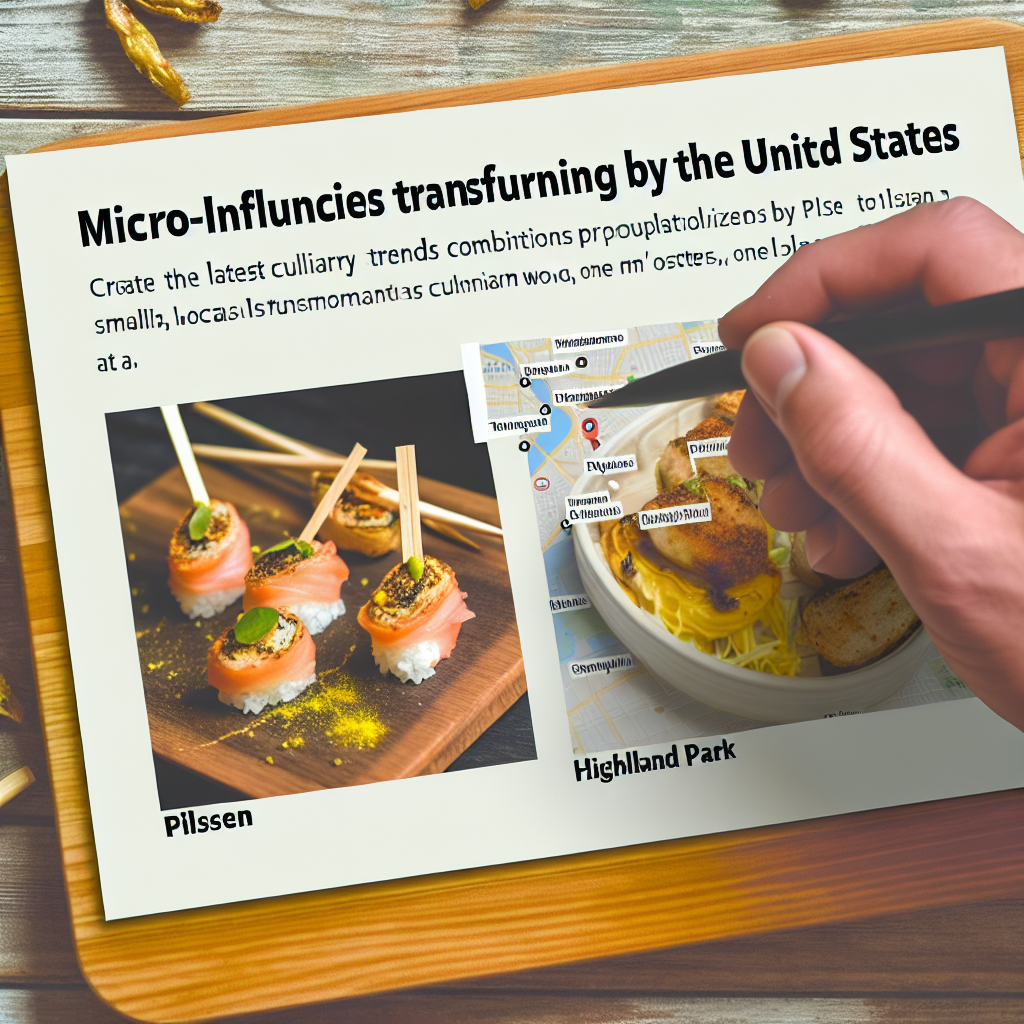

Micro-influencers have a profound impact on local businesses by driving foot traffic and increasing brand awareness through targeted, authentic promotions. Their ability to connect with niche audiences makes them effective advocates for local eateries and food products, often leading to increased sales and customer loyalty.
For example, a micro-influencer in a specific city might collaborate with a local café to promote a new menu item. Their followers, who trust their recommendations, are likely to visit the café, thereby supporting the local economy and enhancing the café's visibility within the community.
Businesses can benefit from strategic collaborations with micro-influencers by leveraging their unique insights and connections within the food community. Effective partnerships can lead to co-created content that resonates with local audiences, amplifying both the influencer's and the business's reach.
For instance, a restaurant might invite a micro-influencer to a tasting event, where they can share their experience on social media. This not only generates buzz around the restaurant but also allows the influencer to create engaging content that showcases the culinary offerings, drawing in potential customers.
Measuring the success of campaigns involving micro-influencers is essential for understanding their impact on brand visibility and customer engagement. Key performance indicators (KPIs) such as engagement rates, follower growth, and sales conversions can provide valuable insights into the effectiveness of these collaborations.
For example, a business might track the increase in social media followers or website visits after a micro-influencer's post. Additionally, using unique discount codes can help quantify the direct sales generated from the campaign, allowing businesses to assess the return on investment (ROI) of their influencer partnerships.
The future of micro-influencing in the food industry is poised for growth, with emerging trends such as video content and live streaming gaining popularity. As social media platforms evolve, micro-influencers will adapt their strategies to engage audiences through innovative formats that highlight culinary experiences in real-time.
For instance, platforms like TikTok and Instagram Live allow micro-influencers to showcase cooking tutorials or restaurant reviews, creating dynamic content that captures attention. As consumers increasingly seek authentic and interactive experiences, businesses that leverage these trends can effectively connect with their target audience and stay ahead in the competitive food landscape.