

AI-Powered HR Solutions Transforming Texas Small Businesses
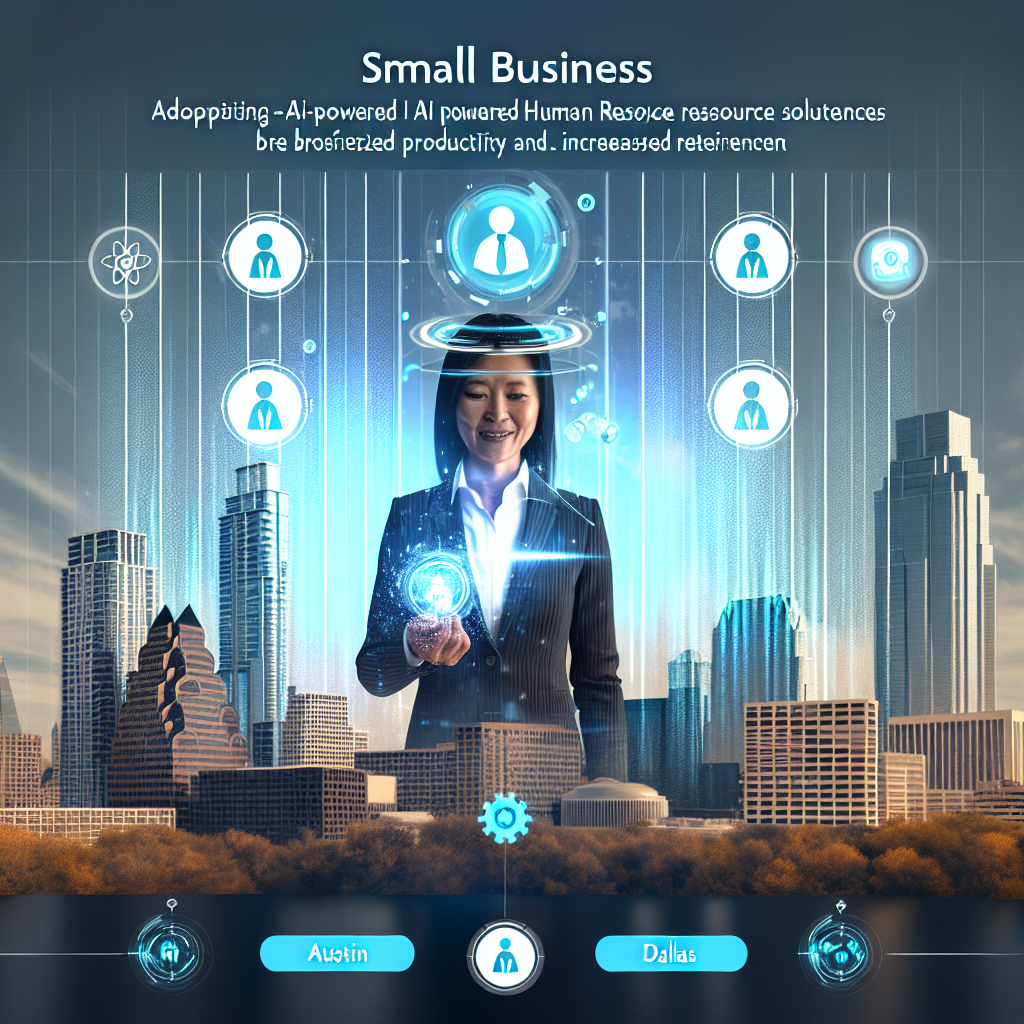
As artificial intelligence makes sweeping changes across industries, the world of Human Resources is undergoing its own renaissance—and small businesses in Texas are emerging as unexpected leaders in the adoption curve.
From Dallas to Austin, HR outsourcing firms are leveraging AI to deliver smarter recruiting, faster onboarding, and more personalized employee experiences. But what does it mean for companies trying to compete in 2024?
Table of Contents: AI HR Trends, Services, Zip Codes & How-Tos
- 1. The Rise of AI in Human Resources
- 2. Why Texas is a Hotbed for HR Innovation
- 3. Top AI-Driven HR Services Transforming Business
- 4. Key Texas Zip Codes Where Small Businesses Are Embracing AI HR
- 5. Viral HR Trends Taking Over LinkedIn and TikTok
- 6. Practical How-To’s: Steps to AI-Enabling Your HR Function
- 7. Nationwide Comparison: How Texas Stacks Up
- 8. Fresh Opportunities: Where Outsourcing Meets Innovation
- 9. Final Thoughts: Is Your HR Strategy Ready for AI?
1. The Rise of AI in Human Resources
Artificial intelligence isn’t just another tech trend—it’s redefining human capital management.
As of Q1 2024, more than 68% of HR leaders in North America report actively integrating AI tools across various functions, according to Gartner. Technologies such as machine learning, natural language processing, and predictive analytics are fueling solutions that help HR departments streamline operations, reduce hiring bias, and optimize the employee journey.
Key automations include:
- AI chatbots for 24/7 HR inquiries
- Smart applicant tracking systems (ATS) that screen candidates based on skill metrics
- Machine learning models that detect burnout risks in employee sentiment data
- AI-generated interview scores based on vocal tone analysis
2. Why Texas is a Hotbed for HR Innovation
Texas is rapidly becoming a central node in the national HR tech network.
With a combination of affordable office space, business-friendly regulations, and a rich talent pool, cities like Austin, Houston, and Dallas are drawing major investments from HR tech startups and outsourcing providers.
According to LinkedIn’s 2024 Workforce Report, Austin ranks #1 for HR professionals per capita, while Houston is in the national top 5 for outsourced HR adoption among growing SMBs.
What’s behind this trend?
- Tech-centric environment: The booming developer and AI community in Texas means smoother implementation and support for tech-enabled HR.
- Remote work leadership: Texas companies were early adopters of hybrid and remote work policies, driving the need for scalable digital HR solutions.
- Economic diversity: From energy to eCommerce to healthcare, Texas has a broad business base with varied HR needs—fueling greater demand for tailored AI services.
3. Top AI-Driven HR Services Transforming Business
Here are five AI-powered HR solutions gaining momentum, particularly among Texas-based small businesses:
a. Automated Talent Acquisition
Platforms like HireVue and Pymetrics are using AI to assess job candidates’ psychological traits, skills, and cultural fit faster and more objectively than traditional methods.
Pro tip: Texas employers with seasonal hiring peaks—especially in retail and hospitality sectors—can benefit immensely from automated hiring flows.
b. Smart Scheduling & Workforce Management
Firms like Deputy and When I Work are bringing AI to automated shift scheduling, reducing labor waste and improving morale.
In bustling metros like Houston, where many companies operate 24/7 warehouse and hospitality businesses, these tools are replacing manual spreadsheets.
c. Real-Time Employee Analytics
Tools like Lattice and CultureAmp use AI to track engagement, detect churn risk, and recommend managerial tweaks—ideal for companies constantly growing or re-organizing their teams.
d. AI-Driven Learning & Development Platforms
Think personalized training plans that evolve automatically based on employee performance and career progression goals.
EdApp, Docebo, and AI-enhanced Coursera for Business products are becoming popular in Austin tech startups.
e. AI-Enabled Benefits Customization
BambooHR and Gusto now let small businesses offer highly tailored benefits based on predictive modeling of workforce demographics and preferences—a win for retention.
4. Key Texas Zip Codes Where Small Businesses Are Embracing AI HR
Let’s drill down into specific regions where AI-powered HR outsourcing is thriving:
- 75201 (Dallas Downtown): Major HR tech consulting firms like Aon and Mercer are serving startups in the Uptown district embracing hybrid work and AI-based performance analytics.
- 78701 (Downtown Austin): A startup-heavy scene where companies like Kojo and HR automation firm Enboarder are helping high-growth tech firms quickly scale teams.
- 77002 (Houston Inner Loop): Logistics and healthcare businesses here are turning to AI for improving labor cost management and compliance tracking.
- 75093 (Plano/Frisco): This booming business corridor is adopting AI for recruitment to meet rapid suburban expansion needs.
Each of these zip codes has seen a 14-28% annual increase in HR tech job postings between 2022 and 2024, according to ZipRecruiter data.
5. Viral HR Trends Taking Over LinkedIn and TikTok
From viral “Day in the Life of a Remote HR Manager” reels to trending automation hacks on LinkedIn, AI in HR is getting mainstream attention.
Notable examples:
- TikTok HR influencers like @HannahTheHRGirl are showcasing how small businesses use AI tools to optimize candidate outreach.
- LinkedIn Think Pieces from HR tech CEOs predicting the AI displacement of more than 30% of conventional HR duties within 5 years.
“People aren’t being replaced by AI, but by other people using AI,” said Jessica Lee, Head of Talent Innovation at Marriott International, in a recent viral post.
Businesses that lean into these trends are more likely to attract modern talent and project innovation to clients and stakeholders alike.
6. Practical How-To’s: Steps to AI-Enabling Your HR Function
Want to get started? Here’s a step-by-step guide for small business owners in Texas:
Step 1: Audit Your Current HR Pain Points
Are you struggling with time-consuming hiring? Are employees disengaging? Identifying your challenges helps pick the right tools.
Step 2: Choose the Right Outsourcing Partner
Providers like TriNet, Justworks, and Bambee specialize in different sectors—be sure to select one with expertise in your industry and region.
Step 3: Start Small with Core Functions
Implement smart payroll (via Gusto or Rippling) or automated job screening first, then layer on analytics and L&D later.
Step 4: Train Your Managers
Even the best tech fails without adoption. Ensure leadership understands the logic behind algorithmic decisions to avoid misuse.
Step 5: Monitor & Adjust
Use dashboards to track improvement in metrics like time-to-hire, employee satisfaction, onboarding length, and retention rates.
7. Nationwide Comparison: How Texas Stacks Up
States like California, New York, and Illinois have traditionally led the HR tech evolution, but new data shows Texas is quickly catching up:
- Texas ranks #2 in 2024 HR tech startup incubations, behind only California (Crunchbase)
- Over 40% of Texas SMEs have outsourced at least one HR function in the past year (SHRM 2024 Report)
- Dallas & Austin collectively account for nearly 9% of national HR tech job growth in 2023-2024
With lower cost of adoption and growing local expertise, Texas businesses are gaining an edge without Silicon Valley budgets.
8. Fresh Opportunities: Where Outsourcing Meets Innovation
AI-infused HR outsourcing is more than a cost-cutting measure—it’s a competitive differentiator. Consider these new approaches:
- Fractional CHROs: Get C-level strategic guidance from outsourced execs using AI dashboards to align HR with growth goals.
- AI Peer Review Tools: Platforms like BetterFeedback automate real-time performance scoring across peer teams, driving agile compensation and promotion decisions.
- DEI Optimization Engines: AI tools can audit your workforce against diversity KPIs and recommend inclusive hiring improvements.
Retail, home services, and trucking companies—especially in expanding suburbs like Frisco, Cedar Park, and The Woodlands—are eyeing hybrid outsourcing models combining live HR reps with data-driven platforms.
9. Final Thoughts: Is Your HR Strategy Ready for AI?
AI is no longer the future of HR. It’s the present—and Texas businesses are uniquely poised to lead the charge.
Whether you run a creative studio in South Congress or manage an HVAC business in The Woodlands, smart HR outsourcing can help you punch above your weight class. The tools are here, the talent is local, and the opportunity is massive.
The next question is: will your business adapt before your competitors do?
Explore how your zip code stacks up in HR service adoption today at CompaniesByZipcode.com—it’s your shortcut to finding local outsourcing partners, tech trends, and talent hubs reshaping business services near you.
Ready to supercharge your HR? Let’s get to work—the AI era is hiring.