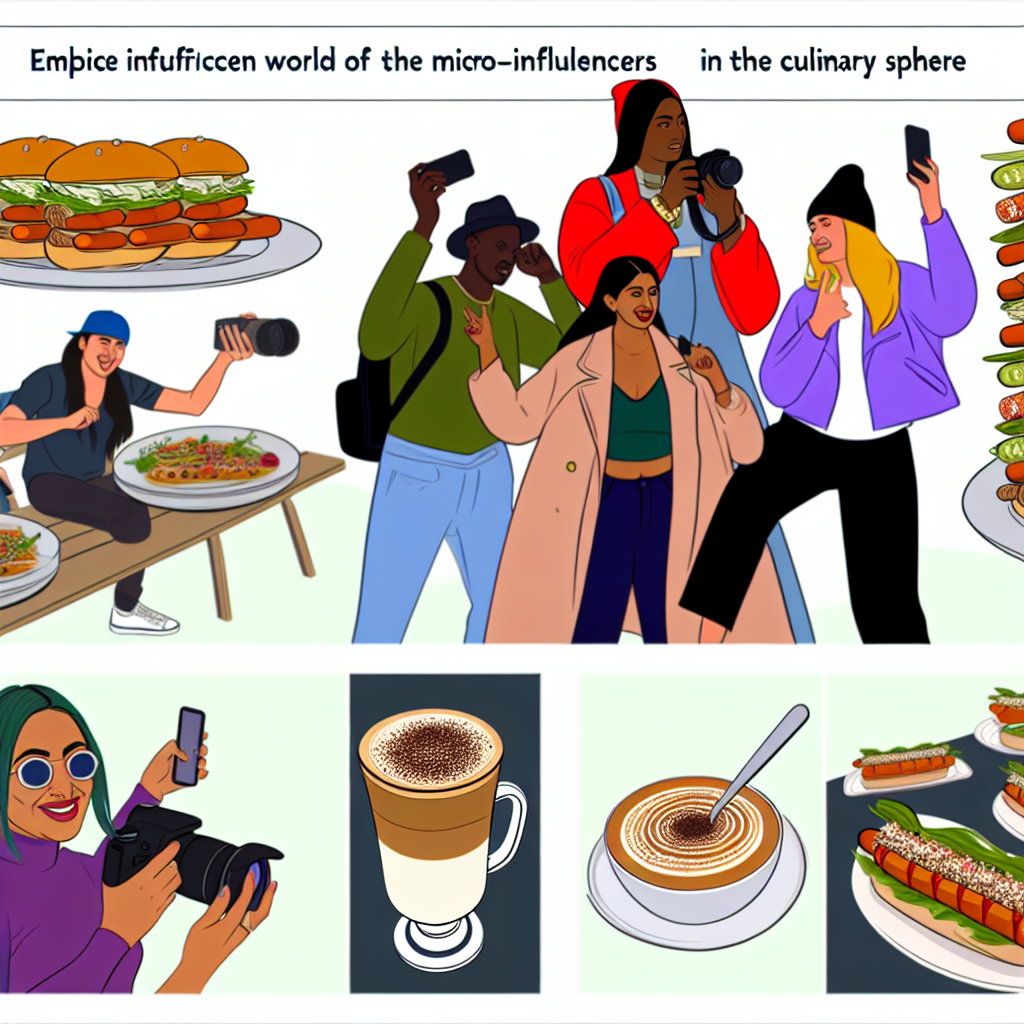
The Rise of Micro-Influencers in the Food Industry
Micro-influencers are emerging as pivotal players in the food industry, leveraging their authentic connections with niche audiences to shape culinary trends. Unlike traditional influencers, these individuals typically have a smaller but more engaged following, allowing them to promote dining experiences and food products in a way that feels personal and trustworthy.
For instance, a micro-influencer specializing in vegan cuisine might share local vegan restaurant reviews or recipes, effectively influencing their followers' dining choices. This grassroots approach fosters a sense of community and loyalty, making their recommendations highly valued among food enthusiasts.
Impact of Micro-Influencers on Culinary Trends
Micro-influencers have a significant impact on culinary trends by introducing new food concepts and experiences to their followers. Their ability to highlight unique dining options and innovative recipes helps to drive consumer interest in emerging food trends.
How to Collaborate with Micro-Influencers
Brands looking to enhance their visibility in the food scene can benefit greatly from collaborating with micro-influencers. These partnerships can take various forms, including sponsored posts, product reviews, or event promotions, all tailored to resonate with the influencer's audience.
For instance, a food brand might send samples of their new product to a micro-influencer for a taste test video. This authentic endorsement can lead to increased brand awareness and trust among potential customers, as followers are more likely to try products recommended by someone they admire.
Case Studies of Successful Micro-Influencer Campaigns
Examining successful campaigns involving micro-influencers can provide valuable insights for brands aiming to leverage this marketing strategy. These case studies often illustrate how targeted influencer partnerships can lead to significant increases in engagement and sales.
One notable example is a local coffee shop that partnered with micro-influencers to promote a seasonal drink. By sharing visually appealing content and personal experiences, the influencers generated buzz around the drink, resulting in a marked increase in foot traffic and social media mentions for the shop.