

AI in Logistics: How Artificial Intelligence Is Revolutionizing Supply Chains in 2024
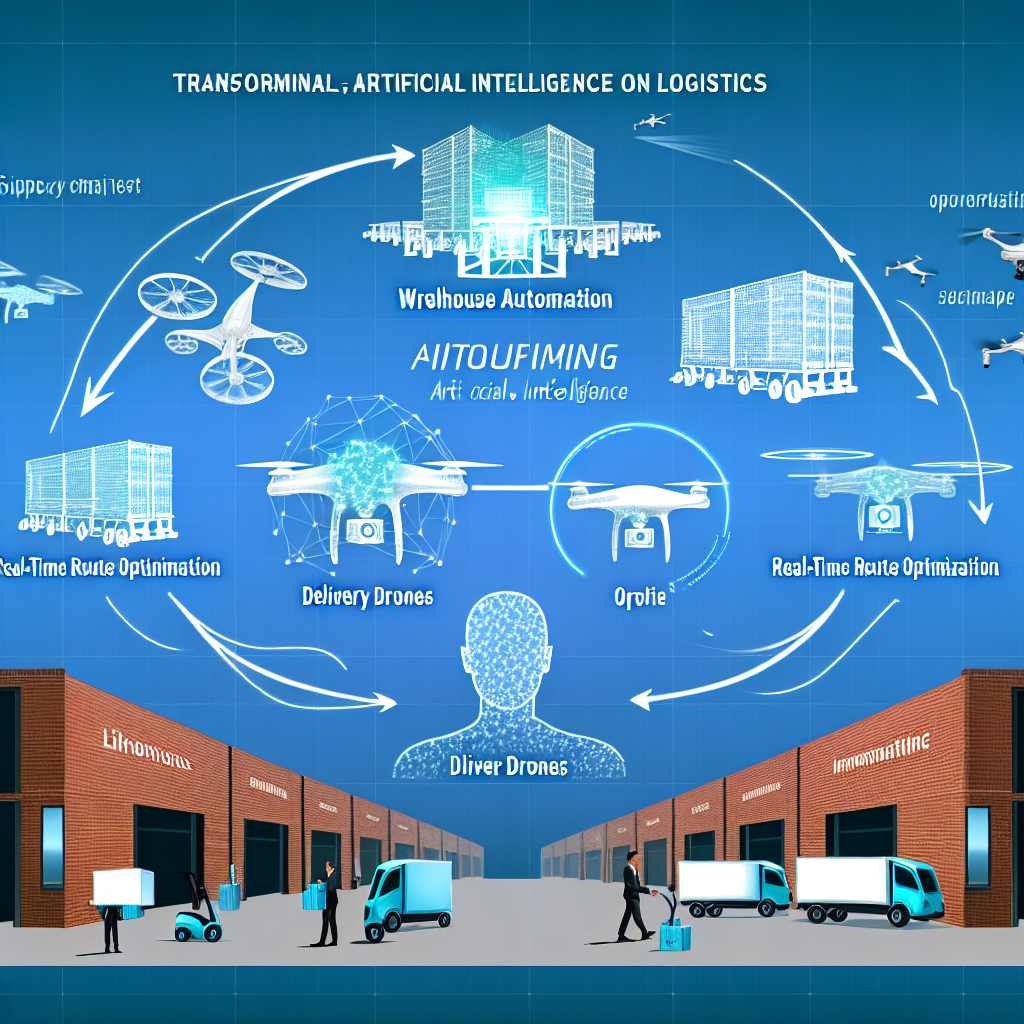
Artificial Intelligence Revolutionizing the Logistics Industry
Artificial Intelligence is no longer a futuristic concept in the logistics industry — it’s a present-day must-have. In a time when global supply chains are still recovering from post-pandemic shocks, labor shortages, and geopolitical instability, AI tools have emerged as an essential lifeline. In 2024, companies from Amazon to FedEx are aggressively implementing AI to improve last-mile delivery, warehouse automation, demand forecasting, and route optimization. If your business is connected in any way to transportation, inventory, retail, or eCommerce, understanding how AI is transforming logistics could be the game-changing insight you need.
Table of Contents
1. What Is AI in Logistics and Why Now?
2. Key AI Applications in the Supply Chain
3. Industry Leaders Driving the AI Revolution
5. Opportunities for SMBs and Enterprises
6. Common Risks and Ethical Concerns
7. Predictions: What the Next Five Years Hold
8. Tools and Strategies for Implementing AI in Logistics
1. What Is AI in Logistics and Why Now?
AI in logistics refers to the use of machine learning algorithms, computer vision systems, predictive analytics, and autonomous machines to streamline supply chain functions. In 2024, global eCommerce is expected to hit $6.3 trillion (eMarketer), and the complexity of fulfilling these orders has created fertile ground for AI-enhanced solutions.
Reasons for the rapid acceleration of AI in the logistics sector include:
- Skyrocketing demand for real-time tracking and faster deliveries
- Higher expectations from consumers, especially on mobile-first platforms
- The rise of warehouse robotics and drone deliveries
- Supply chain disruptions (pandemics, wars, labor shortages)
- Sustainability pressures and the need to optimize carbon footprints
2. Key AI Applications in the Supply Chain
Let’s break down the most impactful use cases:
a. Demand Forecasting
Machine learning models like LSTM or Prophet help forecast SKU-level demand to avoid stockouts and overstocking. Walmart, for example, uses predictive AI to anticipate local shopping behaviors and adjust inventory accordingly.
b. Warehouse Automation
AI-powered robots, like Boston Dynamics’ Stretch or Amazon’s Kiva system, handle picking, packing, and inventory tracking with precision. These robots use computer vision and reinforcement learning to navigate spaces and optimize paths.
c. Route Optimization
AI algorithms factor in real-time traffic data, weather, road conditions, and delivery priorities to optimize delivery routes — reducing fuel costs and improving delivery times. UPS’s ORION AI system reportedly saves the company $400 million annually in logistics costs.
d. Last-Mile Delivery Automation
Self-driving delivery bots (like Starship Technologies) and drone deliveries (led by Zipline and Wing) use AI for navigation and obstacle detection.
e. Fraud Detection and Cargo Security
AI analyzes behavioral patterns to detect diversion of goods, cargo theft, and document fraud in trade finance and shipping.
3. Industry Leaders Driving the AI Revolution
Several key players are shaping the landscape:
- Amazon: Using AI across fulfillment centers, delivery logistics, robotics, and drone flights
- FedEx: Leveraging machine learning to predict package delivery windows and reroute packages during weather events
- Maersk: Utilizing AI to make real-time decisions in maritime fleet route optimization
- Nuro and Aurora Innovation: Building autonomous delivery vehicles for urban and suburban routes
- Google DeepMind: Researching next-generation logistics simulations using reinforcement learning
Collaborations between AI firms and traditional logistics providers—like the recent partnership between Microsoft and Maersk for AI-powered shipping insights—illustrate the convergence of tech and transportation.
4. Real-World Case Studies
Case Study 1: DHL’s Smart Warehouse
DHL has launched “smart warehouses” across Europe and North America where AI-powered robotics pick and sort packages. Their AI-based ERP system integrates order intake, forecasting, and readiness across supply chains.
Case Study 2: JD.com’s Fully Automated Fulfillment Center
In Shanghai, JD.com runs a warehouse that can process over 200,000 packages daily with 100% automation. It deploys deep learning for item recognition and inventory management.
Case Study 3: Flexport’s AI Trade Insights
Flexport, a digital freight forwarder, uses ML to provide customs and tariff insights, flag delays, and reroute freight dynamically based on client preferences and external factors.
5. Opportunities for SMBs and Enterprises
Even smaller businesses now have access to AI-based logistics through SaaS tools and APIs. Here are emerging ways businesses can benefit:
- eCommerce Retailers: Integrate AI-driven supply chain platforms like Relex or ClearMetal
- Logistics Operators: Use AI to offer predictive delivery ETAs to customers
- Manufacturers: Forecast raw material needs more accurately to avoid bottlenecks
Moreover, AI democratization is accelerating. Platforms like Google Cloud AutoML and Microsoft Azure Machine Learning now allow companies with limited coding resources to deploy powerful models quickly.
6. Common Risks and Ethical Concerns
While AI brings rewards, it also introduces challenges:
- Bias in Algorithms: Training data may underrepresent certain retail geographies leading to skewed predictions
- Job Displacement: As AI automates tasks, operational jobs may diminish for warehouse or transport workers
- Privacy Concerns: Using AI to track individuals or packages at granular levels raises data privacy issues
- Over-reliance on Black Box Models: Lack of interpretability can lead to trust issues, especially in regulated industries
Guardrails are needed. Several frameworks like the EU AI Act and the OECD AI Principles now seek to regulate AI’s use in critical infrastructure, including logistics.
7. Predictions: What the Next Five Years Hold
Here’s where logistics and AI are headed:
- 100% Autonomous Warehouses: McKinsey predicts 80% of warehousing tasks will be automated by 2030
- AI-First Supply Chains: Human-in-the-loop systems will be replaced with hyper-responsive AI intelligence networks
- Blockchain + AI Synergy: Cryptographic tracking combined with AI to ensure secure and transparent transactions
- Sustainable Logistics: AI will prioritize green routes, electric fleets, and CO2-neutral packaging
- AI Marketplaces: Decentralized AI runtimes will enable logistics companies to tap into community-trained models for niche tasks
8. Tools and Strategies for Implementing AI in Logistics
If you’re a logistics manager, tech founder, or eCommerce operator, start here:
Tools:
- ClearMetal, Relex: Predictive demand analytics
- FourKites, Project44: Real-time shipment tracking using AI
- Vecna Robotics, Locus Robotics: Warehouse autonomous systems
- Route4Me, OptimoRoute: Smart route planning APIs
- Flexport OS: Cloud-based supply chain management
Strategies:
- Start with pilot projects — intelligent routing or predictive analytics have high visibility and low risk
- Train your workforce — hybrid roles will require both logistics and AI fluency
- Choose cloud-based platforms to avoid high CAPEX
- Collaborate with AI startups—lean on their innovation cycles and agility
9. Final Thoughts
AI is not just tweaking the logistics industry—it’s rebuilding it. From autonomous trucks to predictive parcel sorting, 2024 marks a tipping point where fully intelligent supply chains become the standard, not the exception. For companies of all sizes, from SMBs in Kansas to tech conglomerates in Silicon Valley, understanding and adopting AI logistics tools now could define your next phase of growth.
If you’re not already investing in AI-driven logistics, you’re leaving money—and efficiency—on the table.
Stay connected with CompaniesByZipcode.com for deep dives into how cutting-edge technologies are reshaping businesses near you. And don’t forget to explore our resources for finding AI-ready companies within your area to partner up and automate smart.