


How North Carolina Businesses are Using Zip Code Data to Grow Smarter in 2025
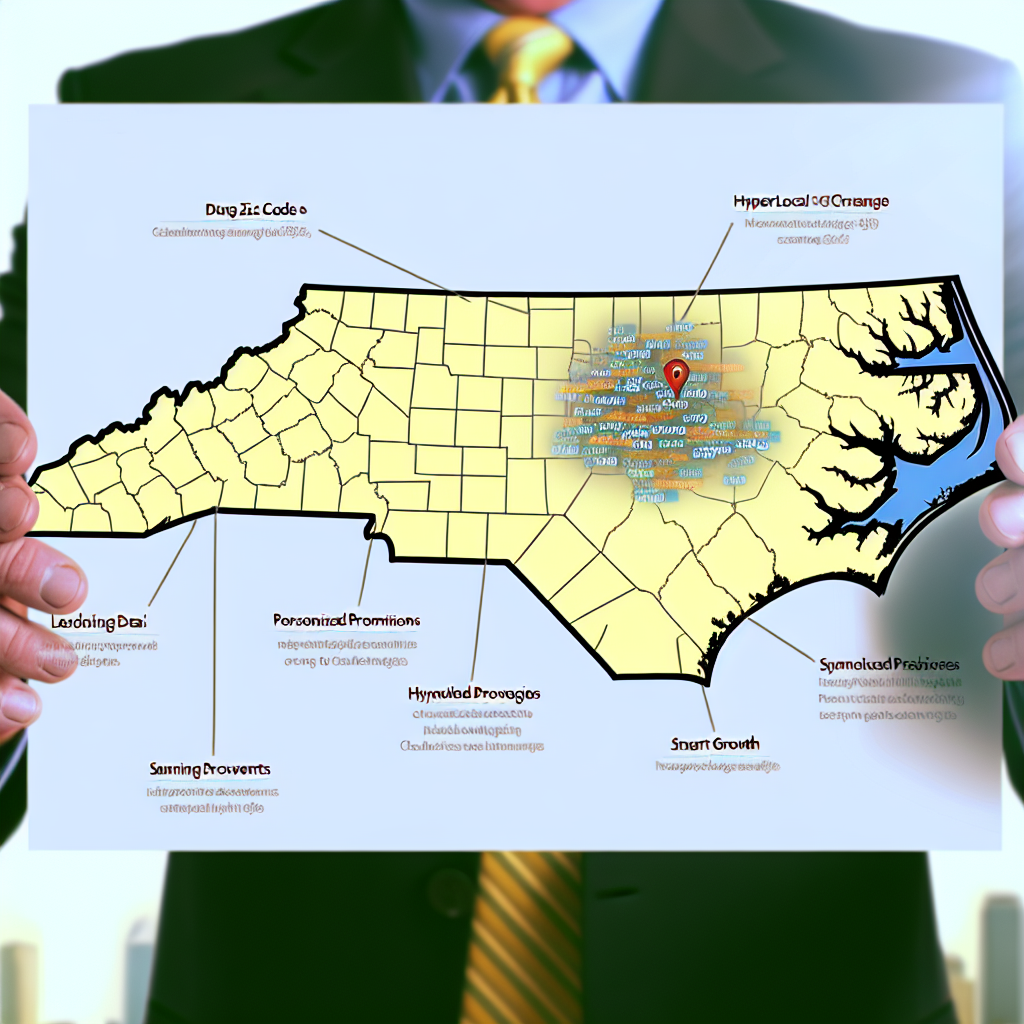
Unlocking Growth: Zip Code Data Strategies for North Carolina Businesses
Table of Contents
- State Overview: The Business Pulse of North Carolina in 2025
- Top Opportunities by Zip Code
- Most Viral Business Trends for 2025
- Fresh, Inviting Zip Code Data Strategies
- Local Flavor: Tapping Into NC’s Cultural DNA
- Trends & Data: What the Numbers Say
- How to Explore Neighboring Businesses Using Zip Code Data
- Final Thoughts: The Future is Local—and it’s in the Data
State Overview: The Business Pulse of North Carolina in 2025
North Carolina’s economy is booming in 2025, with some of the nation’s fastest-growing cities and a diverse blend of industries. Anchored by top-tier universities, a thriving tech ecosystem, and a growing number of remote and hybrid professionals choosing lifestyle-centric cities, the state is prime territory for businesses small and large.
Key Economic Highlights:
- Population: Over 10.8 million and growing, with strong in-migration to Raleigh, Durham, and Charlotte.
- Top Industries: Tech, healthcare, finance, logistics, food & beverage, and tourism.
- Growth Patterns: NC is a magnet for new residents from the Northeast and Midwest, reshaping consumer behaviors.
- Emerging Trends: Rise of micro-neighborhood commerce, remote-first business launches, and “15-minute economy” models where services cluster in tighter geographic zones.
Zip code data is proving invaluable in identifying micro-market pockets where demand, demographics, and spending power align. Let’s break down the zip zones where businesses are doing it best.
Top Opportunities by Zip Code
1. Charlotte (Zip Codes: 28202, 28277)
Charlotte has been reinventing itself from “banking city” to “Southern innovation hub.” Zip code 28277, in the Ballantyne district, is among the most affluent and rapidly expanding areas in the state. Local businesses are analyzing household incomes, migration patterns, and school openings to strategically open retail stores and upscale services.
Meanwhile, in Uptown Charlotte (28202), data is used to segment customers based on commuter patterns and daypart foot traffic. Restaurants and coffee shops push lunchtime specials using zip-location SMS campaigns that outperform traditional ads by 4x.
2. Raleigh (Zip Codes: 27603, 27609)
Raleigh is buzzing. In 27603, a younger and more mobile population is settling in. Businesses here target renters versus homeowners by creating subscription-based residential services—like weekly plant watering, artisan meal kits, or pet walking.
In 27609, where older, established communities thrive, home-improvement services and high-end retail thrive by using zip-specific direct mail campaigns with personalized neighborhood insights—like average home size or number of pets per household.
3. Asheville (Zip Codes: 28801, 28806)
Artisanal and fiercely local, Asheville businesses love using zip code data to connect emotionally with their customer base. In 28801, downtown shops use foot traffic data and zip-based dwell time to inform what products go into storefront windows.
In 28806, a more suburban and family-oriented area, child-centric brands (daycares, afterschool programs, toy retailers) use school district boundaries within zips to reallocate advertising spend during the school year.
4. Wilmington (Zip Code: 28401)
As a coastal city blending tourism and residential growth, Wilmington’s businesses in 28401 use seasonality zip trends to adjust inventory and staffing. A surf shop found that zip code-specific shipping requests increased 40% in spring—an insight that led them to set up pop-up satellite retail tents along neighboring beaches (even before peak season).
Hospitality businesses are now deploying zip-based guest perks—locals from 28403 get discounted spa passes one week, while weekenders from 27604 in Raleigh get targeted “beach stay” upgrade promotions.
5. Durham (Zip Code: 27707)
Home of Duke University and a pioneer in biotech, Durham’s 27707 zip embraces data-driven healthcare startups. Clinics use population health data tagged by zip to design services for at-risk blocks, including preventive wellness options tailored to local lifestyles.
Local grocers partner with community data nonprofits to create health-forward “zip baskets”—fresh produce deals relevant to common neighborhood dietary habits or healthcare trends.
Most Viral Business Trends for 2025
Across the U.S., hyperlocal strategies are sweeping digital marketing. National brands are acting local, while small businesses are acting like they own the block—and doing it smartly with data. Here’s how North Carolina stacks up:
- Trend: Hyperlocal Geofencing. Small cafés in Asheville and Raleigh are creating zip-code level social campaigns with Wi-Fi-coupon opt-ins, increasing customer return rates in targeted zips by up to 25%.
- Trend: Zip Code-Driven Community Rewards. Inspired by rewards apps in Brooklyn and Seattle neighborhoods, Charlotte boutiques are rolling out loyalty programs that offer tiered perks based on how often customers shop from their home zip—fostering a sense of neighborhood pride while incentivizing repeat business.
Fresh, Inviting Zip Code Data Strategies
Zip code data isn’t just for mailers or delivery maps anymore. Here are inventive ways North Carolina businesses are leveling up with local intelligence:
- Loyalty by Neighborhood: Builders and home services in 27609 Raleigh tailor loyalty credits (like paint points or upgrade bucks) by community interests—more garden tools in suburbs, more smart-home features near tech job hubs.
- Zip-Based Event Marketing: In 28801 Asheville, craft breweries host zip-themed tasting nights—“28806 IPA Thursdays”—and promote with zip-referral codes for groups from the same block.
- Local SEO Tailoring by Search Trends: Businesses combine Google Zip-specific search trend data (e.g., “best dog groomer 28806”) with real-time interaction insight to create area-dominant landing pages that convert 36% higher than generic service pages.
- Route Optimization with Personality: A sushi delivery chain in 28202 Charlotte now uses zip-specific lunchtime data to schedule rush-hour service only in blocks where lunchtime orders spike—enhancing customer satisfaction with 20-minute average wait times.
Local Flavor: Tapping Into NC’s Cultural DNA
If there’s one thing North Carolina customers value, it’s authenticity—and that comes in regional flavors.
- BBQ Battles by Zip: In places like Lexington (27292) and Goldsboro (27530), where barbecue territory pride runs deep, restaurants leverage zip code data to identify “sauce loyalty” (vinegar vs tomato-based) and theme menus accordingly.
- Festival Heatmaps: In areas around Boone and Asheville, where seasonal festivals spike local foot traffic, businesses are pulling festival attendance location data to extend operating hours or run mini pop-ups.
- College & Community Sync: Chapel Hill merchants use zip data tied to college affiliations to create “Game Day Tailgate Kits”—bundled snacks, gear, and beers marketed by student and alumni zips.
Trends & Data: What the Numbers Say
Some of the most compelling evidence for zip code based strategies comes down to the hard numbers:
- A bakery chain in Winston-Salem grew Q1 sales by 18% after adapting pastry product availability based on zip-specific dietary preferences (more gluten-free in 27103).
- Direct mail response rates jumped from 2.8% to 7.3% in a Durham HVAC campaign that used segmented zip data with triggers for houses 20+ years old.
- 82% of Gen Z shoppers prefer personalized experiences; businesses targeting zips with high Gen Z concentrations (like 27603 in Raleigh) implement TikTok-style video promos with great ROI.
How to Explore Neighboring Businesses Using Zip Code Data
CompaniesByZipcode.com helps you:
- View businesses near your home zip
- Analyze customer reviews by region
- Identify industry clusters exclusive to North Carolina cities
- Build vendor or B2B partnerships based on location synergy
Example: Search “coffee” in 28806, compare vendors in 28801, and spot opportunities where competitors haven’t saturated the market.
Ready to uncover them?
Visit www.CompaniesByZipcode.com today to explore your neighborhood’s next success story.
