


U.S. Domestic Migration Trends This Week: What’s Moving America?
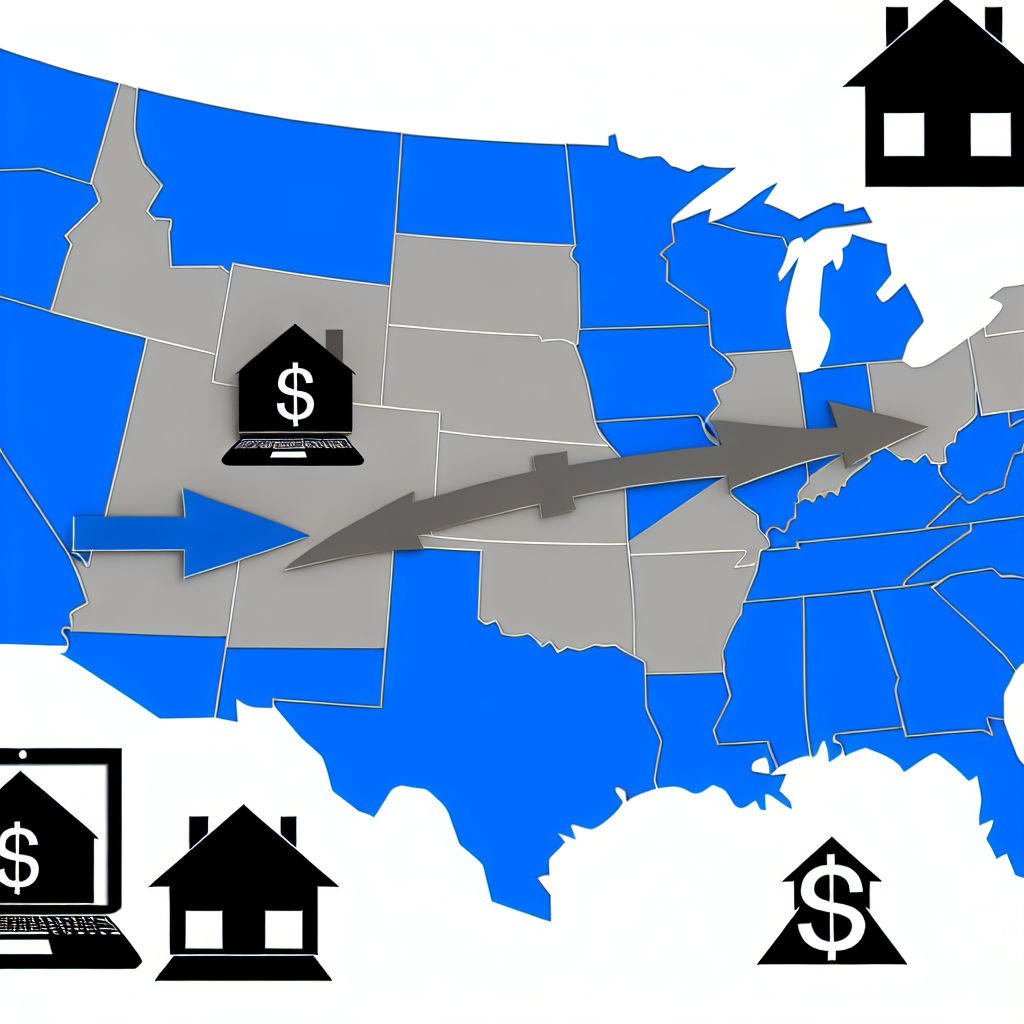
The Pulse of U.S. Migration: Where Are Americans Heading?
The American population continues to shift in dynamic new ways, with this past week revealing some eye-catching changes in where people are choosing to live—and leave. As we track migration data in real-time, regional shifts, emerging hotspots, and surprising upswings in mid-sized cities are reshaping the U.S. residential landscape. Whether driven by rising home prices, new job markets, or quality-of-life considerations, domestic migration is more volatile—and more telling—than ever before.
Table of Contents
- Introduction: The Pulse of U.S. Migration This Week
- Regional Breakdown
- – The Northeast: Departure Continues
- – The Midwest: A Quiet Comeback?
- – The South: A Magnet for Growth
- – The West: Mixed Signals
- Trending Destinations: Where Are Americans Going Now?
- Fresh Insights & Future Trends
- Suggested Visual Aids
- Conclusion and Forecast
- Discover More with CompaniesByZipcode.com
1. Introduction: The Pulse of U.S. Migration This Week
This week, several clear patterns emerged across the continental U.S., providing fresh insight into how Americans are responding to economic pressures, climate changes, and geographical preferences. The most significant trend? A continued flow out of major urban centers in the Northeast and the Pacific Coast toward more affordable and climate-friendly locations in the South and select areas of the Midwest.
Additionally, a new pattern is emerging: smaller metro areas near major cities are seeing surges in population due to remote work flexibility. For example, cities like Lakeland, FL (near Tampa) and Ogden, UT (near Salt Lake City) reported one of the largest increases in net new residents in the last week, according to USPS temporary change-of-address data and U-Haul rental traffic.
2. Regional Breakdown
The Northeast: Departure Continues
The Northeast remains a region of net outbound migration, with New York, Pennsylvania, and Massachusetts leading in resident exits. High taxation, rising housing costs, and colder weather continue to motivate people to leave.
Notable Outbound States:
- New York: Data shows approximately 4,600 new outbound family moves this week—a 2.8% increase from last week.
- Massachusetts: Boston’s metro area saw another increase in outbound movement, particularly among those aged 30-45.
Primary Destinations:
Many are heading to suburban or southern regions, lured by warmer weather and lower mortgage burdens. According to realtor Susan Holloway from Albany, “We’re seeing a big uptick in clients selling in the Northeast and buying in the Carolinas and Tennessee. They want more space and better weather.”
The Midwest: A Quiet Comeback?
The Midwest bucks old assumptions this week as several cities see a modest but notable uptick in inbound migration. States like Ohio, Indiana, and Wisconsin are currently experiencing greater residential inflow amid increasing home affordability and job recovery.
Trending Cities:
- Columbus, OH: Consistent growth tied to tech sector employment opportunities.
- Madison, WI: Rated highly for livability and attracting remote workers from both coasts.
Factors Driving Return:
- Plummeting median home prices compared to national averages.
- Proximity to newer industry hubs in logistics, manufacturing, and tech.
In the words of investment analyst Peter Grimsley, “Columbus is becoming a Midwest tech magnet. There’s real value that isn’t present in, say, Austin or San Francisco anymore.”
The South: A Magnet for Growth
No region tops the South when it comes to inbound migration this week. States including Florida, Texas, and North Carolina continue to dominate national relocation patterns thanks to warm weather, business-friendly policies, and expansive suburbs.
Top Inbound States:
- Florida: Tampa and Orlando in particular added a combined net gain of 7,200 new residents this week.
- Texas: San Antonio and Fort Worth both reported population gains driven by job opportunities and community investment.
Emerging Considerations:
- Migration to secondary Southern metros like Huntsville, AL and Greenville, SC, suggesting high demand is expanding beyond the usual suspects.
Expert Note: Buyers are starting to scramble in cities like Raleigh, NC, where housing demand outpaces construction. “It’s hard to keep up,” notes Chase Monroe, a local real estate broker. “We’re getting calls from folks in Chicago and Boston every single day.”
The West: Mixed Signals
The West displayed contrasting movements this week. While certain coastal metros continue to shed residents, interior states and mid-sized cities are starting to heat up.
Outbound Cities:
- Los Angeles, CA: Experienced another net loss of approx. 3,100 residents this week. Eviction moratoriums ending and housing cost pressures may be contributing.
- San Francisco, CA: The exodus persists, with departures still outpacing arrivals.
Inbound Areas:
- Boise, ID: Reports a 4% increase in home search traffic compared to last week.
- Salt Lake City, UT: Showing strong job-driven appeal in tech and finance sectors.
Wildcards:
Phoenix is stabilizing after the rapid growth of 2020–2022. Nevada markets like Reno also ticked upward in interest this week, suggesting affordability remains key.
3. Trending Destinations: Where Are Americans Going Now?
This week’s most buzz-worthy destinations reflect a blend of affordability, lifestyle, and accessibility. Here are the areas trending nationally:
Lakeland, FL
- Boasts a 6.5% jump in new addresses filed this week.
- Close proximity to Tampa without the city-sized costs.
Greenville, SC
- Draws remote workers looking for charm and fiber internet.
- Home prices still 22% below national median.
Boise, ID
- Still punching above its weight in popularity.
- Housing market cooled slightly, possibly drawing bargain-hunting migrants.
Columbus, OH
- Career opportunities in tech and healthcare growing fast.
- Strong universities are bolstering real estate demand.
Huntsville, AL
- Recently became Alabama’s largest city.
- Thriving space and defense sectors bring economic momentum.
These cities are dominating search trends, U-Haul logistics, and temporary address changes—offering clear evidence of their rising appeal.
4. Fresh Insights & Future Trends
Smaller Cities as Remote Hubs
The rise of hybrid and remote work continues to empower migration to smaller metros and rural markets. Expect cities like Chattanooga, TN and Fayetteville, AR to experience additional growth in coming weeks.
Climate and Insurance Concerns
In hurricane-prone regions, some southern cities may soon see a cooling of demand in exchange for inland options. Places like Tallahassee and Birmingham may benefit from this shift as climate risk assessment tools become more mainstream in home searches.
Generation Z on the Move
Younger Americans are gravitating to university towns like Madison, WI, Boulder, CO, and Athens, GA. With flexible employment and lifestyle preferences, they prefer walkable, vibrant communities over traditionally expensive megacities.
Regional Ripple Effects
As cities like Raleigh and Austin reach housing market saturation, nearby towns within 90-minute drive zones—think Temple, TX or Goldsboro, NC—are beginning to capture overflow migration.
5. Suggested Visual Aids
- Map: Weekly Net Migration by Region
Caption: A visual snapshot of migration inflows and outflows across the four U.S. regions. - Bar Chart: Top 10 Gaining Vs. Losing Cities This Week
Caption: Which cities saw spikes in inbound or outbound movement in the last seven days? - Infographic: Why People Are Moving – Top Motivators for 2024
Caption: Based on search behavior and reports from movers, we break down the top motivations behind migration this week.
6. Conclusion and Forecast
This week’s data paints a compelling picture of the country’s ongoing demographic reshuffle. Florida and Texas continue their reign as inbound hotbeds, but growing interest in the Midwest and Southeast’s lesser-known cities suggests shifting priorities—a strong indicator of post-pandemic lifestyle recalibration. Meanwhile, concerns over affordability, climate risk, and remote flexibility are setting new criteria for where Americans choose to live.
Looking ahead, we anticipate minor slowdowns in some over-saturated markets and fresh growth in Tier-2 cities that combine affordability with connectivity. Keep an eye on cities like Des Moines, IA and Lexington, KY—they may lead the wave of next-generation migration hotspots.
7. Discover More with CompaniesByZipcode.com
Want to explore migration trends by specific zip code? Whether you’re a relocation specialist, homebuyer, or business owner tracking local talent flows, CompaniesByZipcode.com offers data-rich insights that help you make smarter, location-based decisions. Visit now to search by city or zip and see what’s shifting in your area today.
