

Virtual Shopping Experiences: The New Frontier of Immersive Marketing in 2025
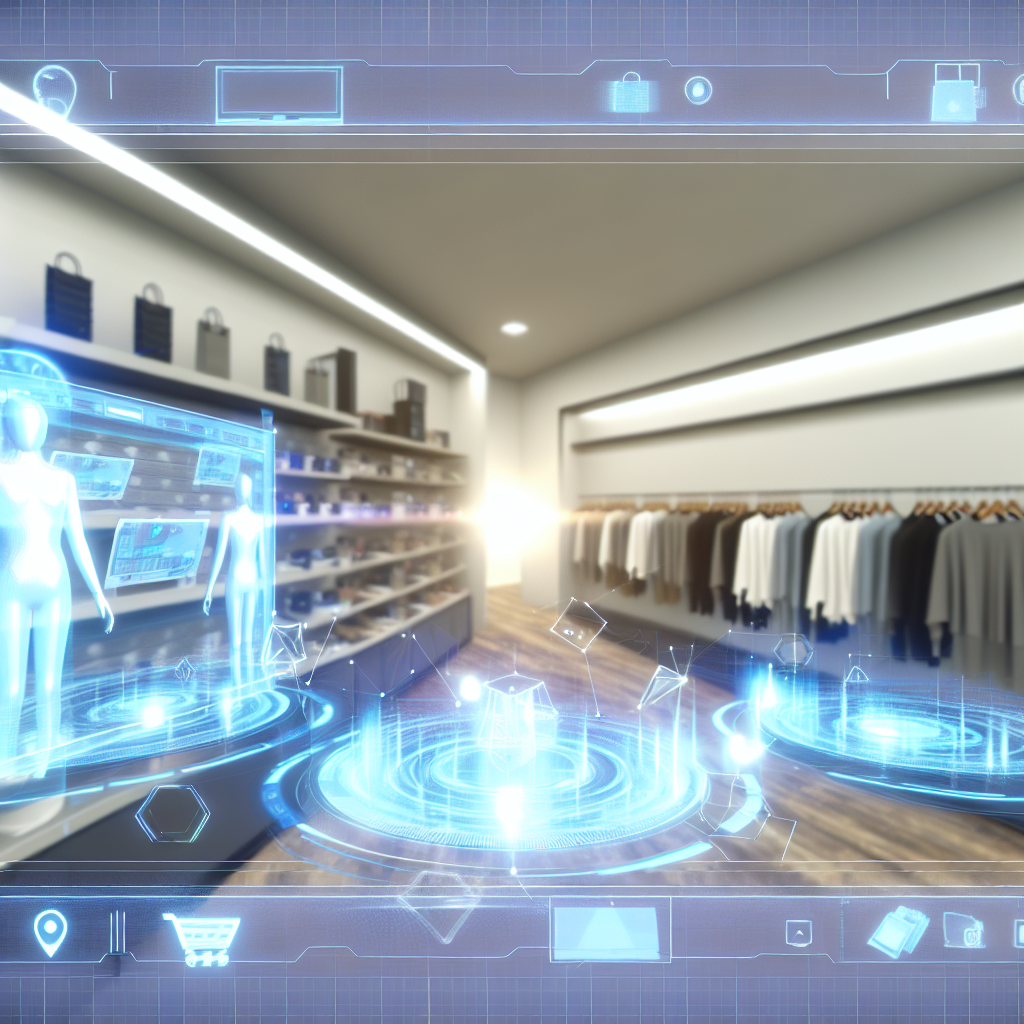
Immersive Virtual Shopping Trends and Strategies for 2025
Table of Contents
- Introduction to Immersive Virtual Shopping
- Why Virtual Shopping Is a Game Changer in 2025
- Industries Leading the Charge
- Case Studies: Brands Building the Best Virtual Experiences
- Innovative Ideas for Businesses to Implement Now
- Regional and Cultural Influence on Virtual Experiences
- Trends and Data That Support the Shift
- Conclusion: Embracing the Future of Interactive Commerce
1. Introduction to Immersive Virtual Shopping
Immersive virtual shopping refers to the use of augmented reality (AR), virtual reality (VR), and 3D environments to create online storefronts that mimic or even enhance in-person shopping. Instead of just clicking on product images, shoppers can explore stores with avatars, use smart mirrors, try on clothes virtually, inspect furniture in 3D, and even chat with AI-powered style consultants—all from their devices.
What was once an ambition reserved for gaming and tech firms has now exploded into the mainstream, with major retailers and DTC brands creating captivating virtual spaces to drive engagement and conversions.
2. Why Virtual Shopping Is a Game Changer in 2025
Post-pandemic consumer behavior continues to evolve. Shoppers crave convenience without sacrificing the immersive experiences they used to get in brick-and-mortar stores. Virtual shopping offers an ideal mix: greater personalization, interactive product exploration, elimination of geographical barriers, and longer browsing sessions.
Several drivers are propelling this trend:
- Advancements in AR/VR technologies: 5G connectivity and affordable headsets make immersive tech widely accessible.
- Rise of experiential eCommerce: Consumers want experiences, not just transactions.
- Increased competition online: Differentiation through immersive experiences boosts customer retention.
- AI integration: Smarter product recommendations and virtual assistants improve shopping journeys.
3. Industries Leading the Charge
Fashion and Apparel
Virtual try-on features are revolutionizing online clothing retail. Brands like Gucci and Zara have introduced digital fitting rooms, letting users preview outfits on avatars that match their dimensions.
Home & Furniture
IKEA and Wayfair are leveraging AR tools to let customers place 3D models of furniture directly into their rooms via their smartphones. This removes size and color guesswork and has significantly reduced return rates.
Luxury Goods and Jewelry
Luxury consumers demand high-touch experiences. Brands such as Cartier and Bulgari have launched ultra-detailed virtual stores where customers can examine pieces in 360°, schedule video consultations, or even engage in virtual private shopping rooms.
Beauty and Skincare
L’Oréal’s proprietary AR apps allow users to see how different makeup products look on their face in real time. These tools, combined with AI-driven skincare consultations, have redefined online beauty shopping.
Real Estate and Interior Design
Realtors are hosting fully immersive virtual home tours complete with narration and staging, allowing out-of-town buyers to experience a home before visiting. Interior design apps now allow customers to collaborate in real-time within 3D room models.
4. Case Studies: Brands Building the Best Virtual Experiences
Nike’s “Nikeland” on Roblox
Nike went beyond traditional marketing by creating Nikeland, an immersive space inside Roblox where users can explore branded environments, play games, and try on virtual merchandise. This bold move aligns the brand with Gen Z audiences already immersed in gamified worlds.
Sephora’s Virtual Artist
This award-winning AR tool lets customers apply makeup virtually using webcams or selfies. What made it viral was its ability to deliver nearly studio-level accuracy, allowing users to buy with confidence. Sephora reported increased session times and conversion rates on pages using the tool.
Ralph Lauren’s Virtual Flagship Store
Using a photorealistic rendering of its iconic New York City flagship, Ralph Lauren allows shoppers to walk through a 3D version of the store online. Each section is clickable with integrated video content, style advice, and easy add-to-cart functionality—blending storytelling with shopping seamlessly.
5. Innovative Ideas for Businesses to Implement Now
- Create a 360° Store Tour: Use tools like Matterport or Shopify apps to convert physical spaces into immersive digital twins.
- Invest in a Try-On AI App: Emerging platforms like Perfect Corp or Zeekit offer plug-and-play AR capabilities for small to mid-sized businesses.
- Gamify Shopping: Develop scavenger hunts, point systems, or virtual rewards inside shopping experiences to drive engagement.
- Introduce Live Shopping Avatars: Partner with influencers or create AI-hosts that engage with customers in real-time.
- Launch in the Metaverse: Consider creating branded spaces in platforms like Decentraland or Meta Horizon Worlds to reach digital-native users.
6. Regional and Cultural Influence on Virtual Experiences
In Asia, particularly countries like South Korea and China, consumers have embraced “shoppertainment”—a mix of shopping and entertainment delivered via mobile-first, interactive apps like Taobao Live and ZEPETO. These regions have set the gold standard for immersive retail, leading Western brands to adopt similar strategies.
Meanwhile, in the U.S. and Europe, privacy-conscious shoppers are responding better to opt-in hyper-personalized experiences rather than tracking-based targeting. Cultural preferences are shaping what “immersive” means—in some places, it’s about hyperrealism; in others, it’s a creatively stylized narrative world.
7. Trends and Data That Support the Shift
- 85% of online shoppers prefer brands that offer virtual try-ons (Retail Dive, 2024).
- Online retailers that invested in immersive shopping saw a 30%+ lift in average spend per visit (McKinsey eCommerce Report, Q1 2025).
- The global AR and VR in retail market is expected to hit $21 billion by 2027, up from $5.4 billion in 2021 (Statista).
Trending tools and technologies shaping the space:
- Matterport: 3D scanning for immersive store creation
- Ready Player Me: Cross-platform avatar creation for the metaverse
- ARKit and ARCore: Apple and Google’s go-to kits for building AR shopping apps
- AI stylists and chatbots: From Replika to GPT-style shoppers that guide users with taste-based recommendations
8. Conclusion: Embracing the Future of Interactive Commerce
Immersive virtual shopping is not a “nice-to-have” anymore—it’s quickly becoming the standard for consumer engagement in 2025 and beyond. Brands that embrace this paradigm shift will not only future-proof their businesses but deepen their relationships with customers in meaningful and memorable ways.
Whether you’re a boutique apparel brand in Austin, a home goods retailer in Phoenix, or a skincare startup in Brooklyn, now is the time to explore how immersive technology can redefine your online presence. The virtual shelves of the future are full—not just with products—but with possibility.
Stay tuned to CompaniesByZipcode.com for more weekly breakdowns of cutting-edge trends shaping the marketing world—and your neighborhood’s economy.