

Hyper-Local Marketing: How Neighborhood-Level Targeting is Driving Brand Growth in 2025
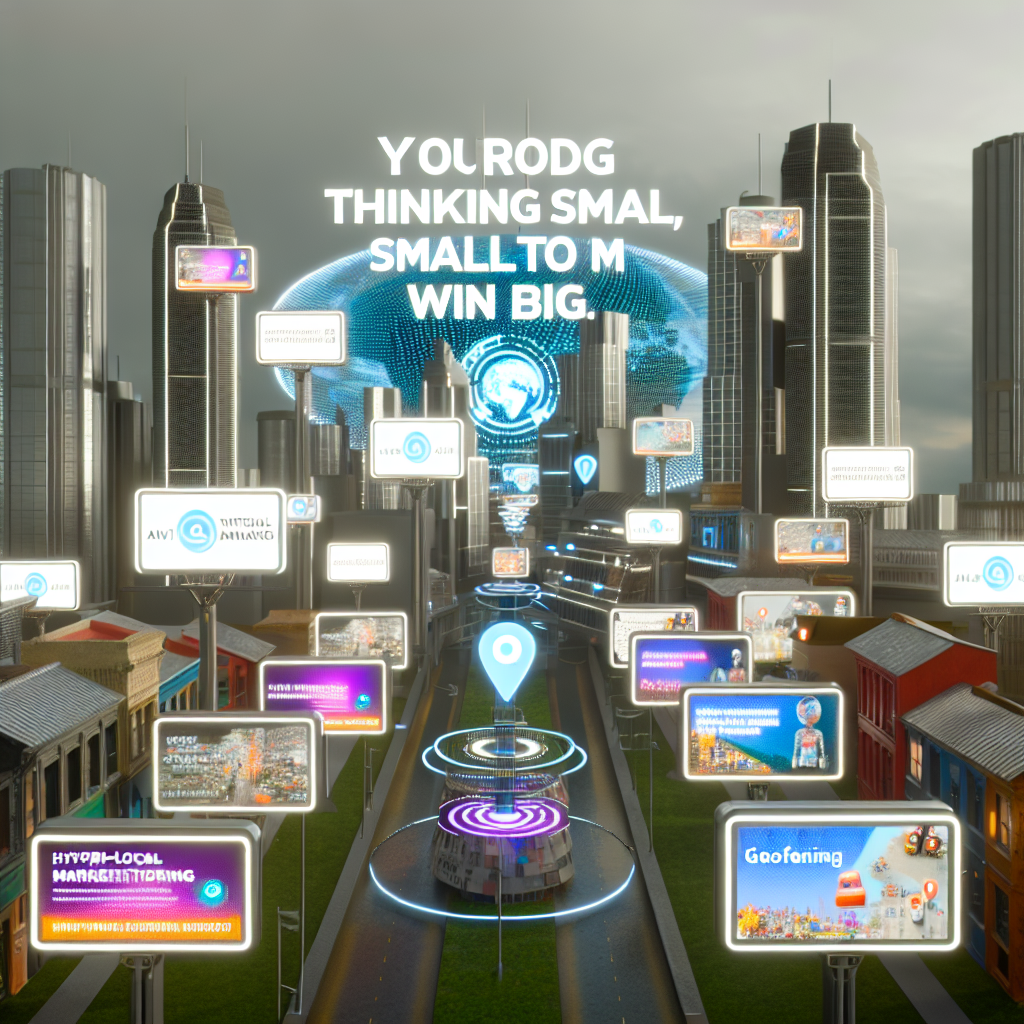
Is your brand thinking big—but missing the local picture?
In an era of global reach and wide-net digital campaigns, some of the savviest businesses today are finding exponential growth not by casting broader strokes, but by zooming in—way in. Hyper-local marketing is emerging as one of 2025’s most powerful (and profitable) marketing trends, reshaping how brands connect with consumers not just in cities or zip codes, but in individual neighborhoods, campuses, and micro-communities.
It’s not just a marketing tactic—it’s a movement that’s redefining personalization, engagement, and brand loyalty. And if you’re not building campaigns with a street-by-street lens, your competitors probably are.
Table of Contents
- What Is Hyper-Local Marketing and Why It Matters Now
- Key Industries Adopting Hyper-Local Strategies
- Case Studies: Brands Winning in Localized Campaigns
- Innovative Ideas to Launch Hyper-Local Campaigns Today
- Cultural Nuance: Why Region-Specific Marketing Works
- Hot Tools and Data Trends Fueling Hyper-Local Marketing
- Final Thoughts: Future-Proofing Your Brand with Hyper-Localization
1. What Is Hyper-Local Marketing and Why It Matters Now
Hyper-local marketing refers to highly targeted marketing techniques aimed at a narrowly defined geographic area—often as small as a few city blocks, a specific community, or even within a radius of a single store. It tailors not only the message but also delivery channels to resonate best with a small and specific audience.
Why This Trend Is So Relevant in 2025
With rising consumer demand for personalized experiences and growing support for local businesses, people are responding better to messaging that feels native and human—not mass-produced. Add to that the power of AI, geofencing, and mobile location tracking, and brands now possess sophisticated tools to personalize marketing on a micro-level.
For businesses, this means better ROI, deeper engagement, and a chance to dominate in tightly defined markets. For consumers, it means feeling seen—not as a demographic, but as a neighbor.
2. Key Industries Adopting Hyper-Local Strategies
E-commerce & Retail
Big brands like Target and Amazon are localizing everything from product availability to delivery options. Regional promotions based on stock levels and weather trends are increasingly common.
Example: Sephora rolled out geo-targeted promotions encouraging customers to book free skincare consultations during specific weather conditions, like heatwaves in Phoenix or dry seasons in Denver.
Healthcare
Hospitals and clinics are using hyper-local ad targeting to share neighborhood-specific health alerts, vaccination availability, and flu shot drives.
Case in point: Kaiser Permanente tailored campaigns about air quality and respiratory health to specific zip codes impacted by California wildfires—driving a 38% increase in appointments booked within 48 hours.
Real Estate
Hyper-local marketing is indispensable. Real estate agents run highly targeted Facebook and Instagram ads to promote listings just within certain neighborhoods or interest groups (like new parents or pet owners).
For example: Redfin uses AI to analyze local school rankings, walkability scores, and market data to populate ads only to those most likely to buy in that area.
Hospitality & Tourism
Hotels and travel brands are personalizing experiences by promoting neighborhood-specific attractions or limited-time offers based on local events.
Case in point: Marriott piloted “Local Escape” campaigns highlighting activities in a two-block radius around each location, increasing weekend bookings by 23% YoY.
Food & Beverage
From Uber Eats to local food trucks, geo-specific offers and banner ads appear based on user movement, seasonal cuisine trends, and even local sports events.
Subway launched “Local Legends”—a sandwich campaign featuring menus created by residents, marketed and sold only within their home area zip.
3. Case Studies: Brands Winning in Localized Campaigns
Dunkin’ x Waze: Driving Store Traffic with Turn-by-Turn Relevance
In Boston, Dunkin’ partnered with Waze to deliver real-time location-based ads to drivers during peak commute times. When the app detected a user within half a mile of a Dunkin’ location around breakfast hours, it served a pop-up offering a morning combo deal—and navigated them there with one click. The result? Dunkin’ saw a 23% lift in in-store visits and a 14% higher redemption rate than non-local promotions.
IKEA’s Geo-Smart Catalog Drops
In cities like Austin and Seattle, IKEA launched a “Smart Drop” campaign based on postal code demographics, household data, and even local home sizes. Areas with more first-time buyers of small apartments received compact living-oriented catalogs. The campaign led to a 33% increase in website visits from targeted zip codes and outperformed bulk mailing strategies.
Local Influencer Pods: Micro-Influencer Louisianan Launch
PepsiCo launched a test campaign in Baton Rouge using micro-influencers with under 10,000 followers. Partnering with local church leaders, food bloggers, and youth fitness instructors, Pepsi promoted a new zero-calorie sports drink. The result: Over 1 million local impressions and a 58% comment engagement rate—double the national average.
4. Innovative Ideas to Launch Hyper-Local Campaigns Today
1. Build Area-Based Landing Pages
Create dynamic web pages that change based on a visitor’s IP address—showcasing relevant content, local testimonials, and events in their vicinity.
2. Tap Local Micro-Influencers
Instead of national influencers, find niche personalities who have real offline connections to your target geography—think yoga instructors, community leaders, or campus ambassadors.
3. Create Zipcode-Specific SEO Content
Develop blog posts and listicles like “Top Eco-Friendly Hair Salons in 75205” or “Best Places to Work Remotely in Grand Rapids.” If you rank hyper-locally, you don’t need to rank globally.
4. Activate Street Team Campaigns
Deploy branded teams to hand out samples, QR codes, or exclusive event invites at community hotspots like farmers markets or high school football games.
5. Make Smart Use of Local Events
Sponsor school fundraisers, block parties, or local artist showcases—and design ad campaigns around them. Include geo-filters on Snapchat or localized Spotify ads.
5. Cultural Nuance: Why Region-Specific Marketing Works
Hyper-local isn’t just about knowing where someone is—it’s about understanding who they are where they live. Culture varies dramatically across regions, even within the same state, and smart marketers lean into that.
A campaign that works in Manhattan might flop in Brooklyn. What sells in Oakland might feel irrelevant in Palo Alto. Localization also respects dialects, community norms, and values—creating a cultural alignment that mass brands often lack.
For instance, in Nashville, brands that lean into southern hospitality themes (“By neighbors, for neighbors”) often outperform slick, urban-centric messaging. In Miami’s Little Havana, Spanish-first ads see far higher engagement.
6. Hot Tools and Data Trends Fueling Hyper-Local Marketing
Trending Tools:
- Foursquare & Placer.ai: Real-world consumer movement tracking
- GroundTruth: Location-based ad targeting and attribution
- Meta’s Advantage+ Local Ads: AI-optimized neighborhood-level placements
- ChatGPT Integrated with Local CRM Data: Personalized content generation by geography
- Moz Local: Local SEO and reputation management
Data Trends Backing the Shift:
- 78% of mobile searches that include “near me” result in a purchase within 24 hours (Google, 2024)
- 63% of consumers say they prefer buying from brands that are “part of the community” (Accenture, 2025)
- 47% of Gen Z trust local influencers more than celebrities (Morning Consult, 2025)
7. Final Thoughts: Future-Proofing Your Brand with Hyper-Localization
As global competition increases, the winning strategy for marketing in 2025 may be anything but global. Hyper-local marketing flips the script: you don’t need to reach everyone—you just need to deeply matter to the few who are nearest. Whether you’re a nationwide brand or a startup serving a single town, success lies in resonating with people based on where they live, work, and belong.
The future is local. And brands that speak directly to a neighborhood’s heartbeat will thrive in a world that values connection over reach.
Stay tuned next week as we explore another rising marketing trend shaping industries in real time—only on CompaniesByZipcode.com.