


Environment & Energy Chronicles: Austin, TX – The Tech Capital Turning Green
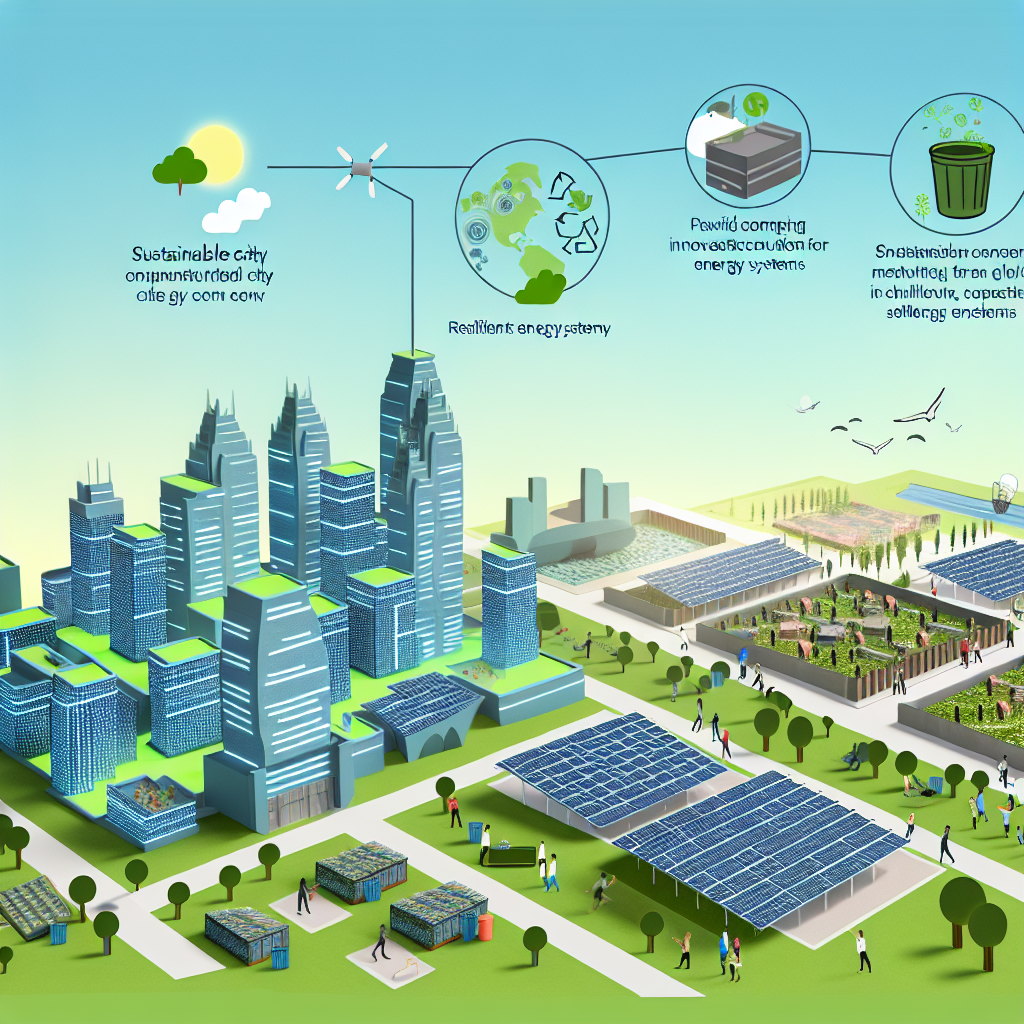
Austin, Texas: Leading the Way in Clean Energy and Environmental Innovation
Austin, Texas, long known as the Live Music Capital of the World, is now emerging as one of the most influential and trendsetting cities in the United States when it comes to environmental innovation and clean energy adoption. With cutting-edge tech startups transitioning into renewable energy, widespread city sustainability plans, and a culture hungry for climate-conscious progress, Austin is more than just cool — it’s clean, green, and leading by example.
Why Read On?
In this week’s highlight of trending sustainable cities, we explore how Austin — particularly within ZIP codes like 78701, 78704, and 78745 — is morphing into a green metropolis sourced by sun and wind, supported by the state’s biggest minds in energy innovation. From composting co-ops to solar-powered office parks, Austin is fostering a fresh ecosystem of planet-lovers and problem-solvers. Whether you’re a small business owner seeking eco-friendly strategies, a city planner gathering inspiration, or a climate-focused startup ready to expand, what’s happening in Austin is a blueprint you won’t want to miss.
Table of Contents
1. Austin’s Rise as a Clean Tech Leader
2. Case Study: Yotta Energy – Solar with a Twist
3. Local Eco-Innovations You Can Adopt
4. How Austin Aligns with National and Global Trends
5. Engage: What Green Action Will Your ZIP Code Take Next?
6. Call to Discover Local Sustainable Businesses
1. Austin’s Rise as a Clean Tech Leader
While Austin’s cultural cachet often revolves around food trucks and music festivals, it has become equally known for its sustainability credentials. Thanks to city and state partnerships, supportive policy, and an influx of mission-driven entrepreneurship, Austin is hitting environmental milestones and influencing cities nationwide.
Key Initiatives:
- Austin Energy’s Path to 100% Renewable by 2035: Already sourcing over 60% of its energy from renewables, this municipally owned utility is ahead of most U.S. cities.
- Climate Equity Plan: With over 200 actions outlined, this bold local framework targets net-zero community-wide greenhouse gas emissions by 2040, ten years earlier than most global commitments.
- Green Building Boom: Austin was the birthplace of the U.S. Green Building Council’s LEED program, and today boasts hundreds of LEED-certified buildings, especially in ZIP codes like 78701 (downtown) and 78758 (North Austin tech corridor).
Why Now? Austin saw its clean tech job base grow nearly 20% from 2022 to 2023, driven by venture capital interest, startup support networks, and consumer appetite for green innovation. Locally grown energy startups are redefining what’s possible in solar storage, electric mobility, and built-environment sustainability.
2. Case Study: Yotta Energy – Solar with a Twist
Location: 78744 (Southeast Austin)
One of the most exciting clean energy startups to come out of central Texas recently is Yotta Energy. This award-winning venture has developed a revolutionary modular battery system that integrates directly into rooftop solar panels — eliminating the need for bulky batteries and centralized storage.
How They’re Changing the Game:
- Panel-Level Battery Storage: Instead of one large battery for an entire building, Yotta’s decentralized solution allows for safer and more efficient energy use.
- Scalability and Resilience: Modular design makes solar more accessible for small businesses or distributed urban settings.
- Heat-Resistant Innovation: Traditional batteries degrade in the Texas sun. Yotta designed their technology to thrive in high-heat environments, increasing lifespan and usability.
Switching to Yotta’s storage solution allows buildings of all sizes to participate in the energy revolution without major infrastructure overhauls.
3. Local Eco-Innovations You Can Adopt
Green tech shouldn’t feel out of reach for your local business or community group. Here are a few scalable, real-world innovations happening within Austin that can be adopted by municipalities and businesses across the country:
a. Solar-Powered Retail Rooftops (ZIP: 78736)
In West Austin’s shopping centers, businesses are joining cooperative solar installations by leasing rooftop space to third-party solar providers — earning passive income and powering operations sustainably.
b. Urban Wood Reclamation (ZIP: 78721)
Companies like Harvest Lumber Co. are rescuing timber from felled urban trees and turning them into artisan furniture. This model supports zero waste and provides hyper-local materials with low embodied carbon.
c. Community Composting Programs (ZIP: 78704)
Austin Resource Recovery provides curbside compost pickup while encouraging co-ops to run neighborhood-scale compost hubs that supply soil to farms within city limits.
d. Eco-Certified Co-Working Hubs (ZIP: 78701)
Spaces like Impact Hub Austin fuse coworking with carbon impact mitigation via smart lighting systems, compostable office supplies, and zero-energy design.
4. How Austin Aligns with National and Global Trends
Austin’s environmental ambitions align well with broader movements surfacing across the United States and globally.
Trending Nationally:
- Net-Zero Cities Movement: More cities are joining Carbon Neutral alliances. Austin was one of the first major U.S. cities to declare a climate emergency and update its planning to reflect that urgency.
- Resilient Energy Infrastructure: In the wake of Texas’ 2021 winter storm power outage, Austin is pioneering smarter, grid-independent systems — benefitting from local innovation like Yotta and other startups.
- Green Job Expansion: The U.S. clean energy sector now employs more people than fossil fuel industries, and Austin is a hotbed for the next generation of sustainable sector careers.
What Austin Proves: A manageable city population (approx. 1 million), strong university research partnership (hello, UT Austin), and enthusiastic policy embrace make cities like Austin successful clean energy pilots for the nation.
5. Engage: What Green Action Will Your ZIP Code Take Next?
It’s not just up to city councils anymore. Neighborhood groups, local businesses, startups, and schools all play a role in readying their region for a decarbonized future. If you’re located outside Austin, what can you adapt or replicate?
Ask Yourself:
- Is your local energy supplier experimenting with solar or wind?
- Do any businesses in your ZIP code carry LEED, Green Seal, or Energy Star certification?
- Are local entrepreneurs getting support to solve climate and energy problems?
- Would your community back a composting, solar sharing, or e-bike pilot?
Let us know in the comments or tag us online using #GreenBusiness, #NetZero, or #CleanTechZIP to join the conversation.
6. Call to Discover Local Sustainable Businesses
Looking to connect with sustainable movers and shakers in your region? Want to find green-certified contractors, B Corp companies, or solar startups near your office?
Head over to CompaniesByZipCode.com and explore our clean energy and sustainability company directory by ZIP code. Whether you’re in 90210 or 78704, we help you discover local leaders building a greener tomorrow.
Final Thought:
Austin reminds us that the path to a sustainable economy runs through creativity, community, and a little capital. Let that inspire your ZIP code to take the next step — because when local wins go viral, the whole country gets greener.
What green initiative is making waves in your neighborhood? Tell us and we might feature your city in our next edition. Let’s build the #EcoStartup nation, one ZIP code at a time.
