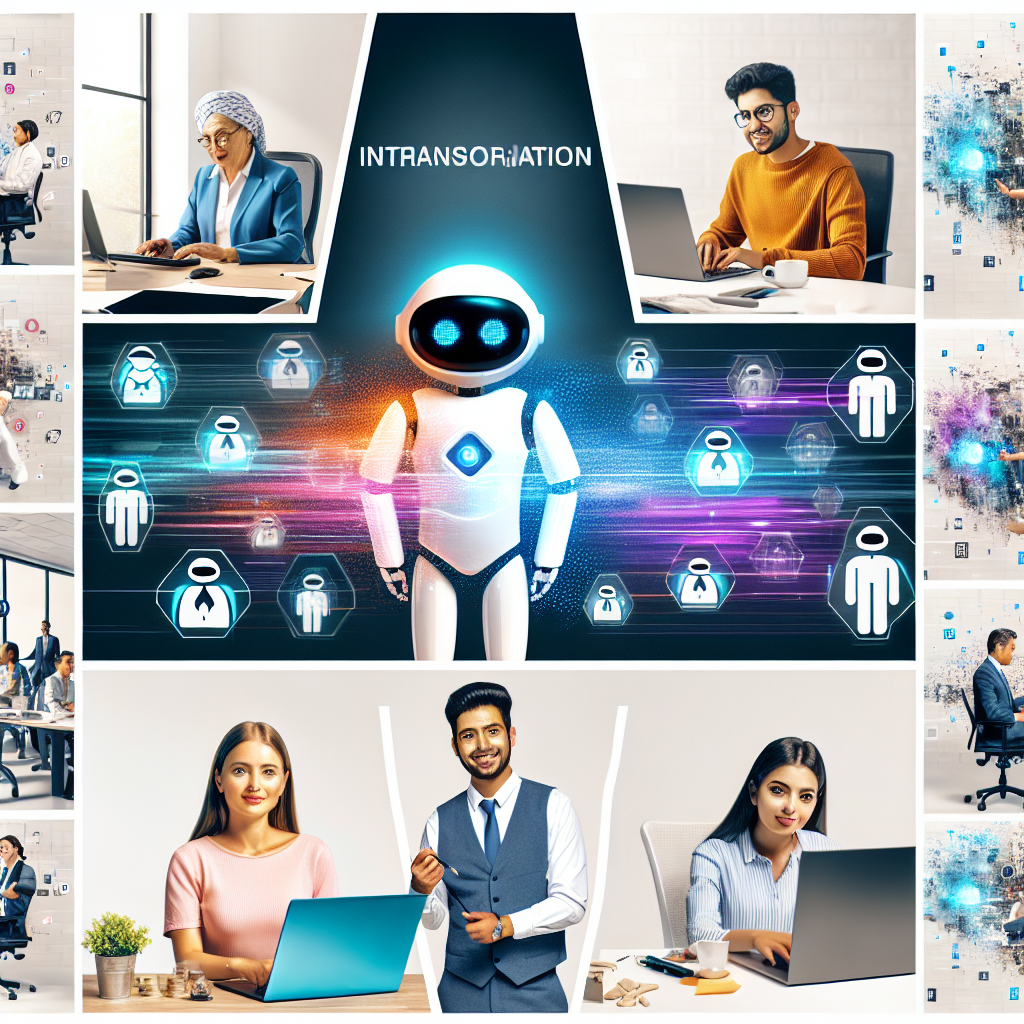
The integration of autonomous AI agents into various industries is significantly altering the economic landscape, particularly in terms of employment. As AI technologies become more capable, they are not only automating routine tasks but also creating new job opportunities in sectors such as AI development, maintenance, and oversight.
For instance, a report by the World Economic Forum predicts that while AI may displace 85 million jobs by 2025, it could also create 97 million new roles that require advanced technological skills. This shift emphasizes the need for workforce retraining and upskilling to prepare employees for the jobs of the future.
As autonomous AI agents take on more responsibilities, traditional job roles are evolving. Employees are increasingly required to collaborate with AI systems, necessitating a shift in skill sets and job descriptions across various industries.
For example, in the healthcare sector, AI is assisting doctors in diagnosing diseases more accurately, which changes the role of healthcare professionals from merely executing tasks to interpreting data and making informed decisions based on AI insights. This transformation highlights the importance of adaptability in the workforce.
The rise of autonomous AI agents is also influencing remote work dynamics, making it easier for companies to adopt flexible work arrangements. AI tools facilitate communication, project management, and productivity tracking, enabling teams to collaborate effectively from different locations.
Companies like Slack and Zoom are integrating AI features that enhance user experience, such as automated meeting summaries and smart scheduling. These advancements not only improve efficiency but also support a more diverse and inclusive workforce by allowing individuals to work from anywhere.
As the workforce adapts to the presence of autonomous AI agents, certain skills will become increasingly valuable. Critical thinking, emotional intelligence, and proficiency in technology will be essential for employees to thrive in an AI-driven environment.
Educational institutions and employers are recognizing this shift, with many offering programs focused on developing these skills. For instance, coding boot camps and online courses in data analysis are gaining popularity, equipping the workforce with the necessary tools to navigate the complexities of modern job markets influenced by AI.