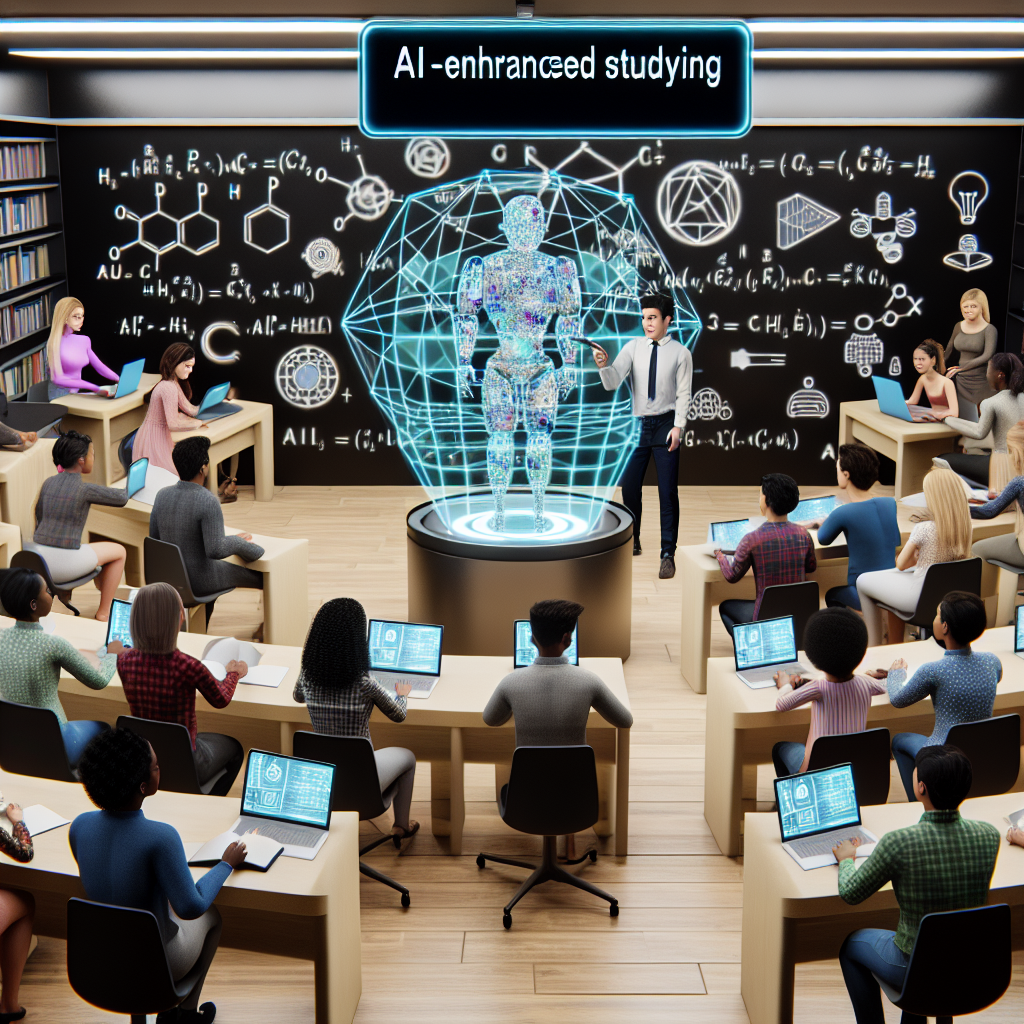

Understanding Smart Classrooms
Smart classrooms utilize advanced technologies to create interactive and engaging learning environments. These classrooms are equipped with tools such as smart boards, tablets, and AI-driven software that facilitate collaborative learning and improve student engagement.
For instance, a smart classroom may incorporate real-time feedback systems that allow teachers to gauge student understanding instantly. This technology not only enhances the teaching process but also caters to different learning styles, ensuring that all students can benefit from personalized educational experiences.
The Role of AI in Personalized Learning
AI plays a crucial role in personalizing education by adapting learning materials to meet individual student needs. Through data analysis, AI systems can assess a student's strengths and weaknesses, providing tailored resources that enhance their learning journey.
For example, platforms like Khan Academy use AI algorithms to recommend specific exercises based on a student's performance, allowing for a customized learning path. This targeted approach not only improves academic outcomes but also fosters a sense of ownership in students over their education.
Challenges of Implementing AI in Education
While the integration of AI in education offers numerous benefits, it also presents several challenges that educators must navigate. Issues such as data privacy, the digital divide, and the need for teacher training can hinder the effective implementation of AI technologies in schools.
For instance, ensuring that student data is protected is paramount, as breaches can lead to serious consequences. Additionally, schools must address the disparity in access to technology, as students from underprivileged backgrounds may not have the same opportunities to benefit from AI-enhanced learning tools.
Future Trends in Educational AI
The future of AI in education is promising, with emerging trends that are set to redefine learning experiences. Innovations such as virtual reality (VR) and augmented reality (AR) are being integrated into educational settings, offering immersive learning opportunities that were previously unimaginable.
For example, VR can transport students to historical events or scientific environments, providing experiential learning that enhances understanding and retention. As these technologies evolve, they will likely play an integral role in shaping the educational landscape, making learning more interactive and accessible for all students.