

The Rise of Experiential Marketing: Why Brands Are Turning Campaigns into Memorable Moments
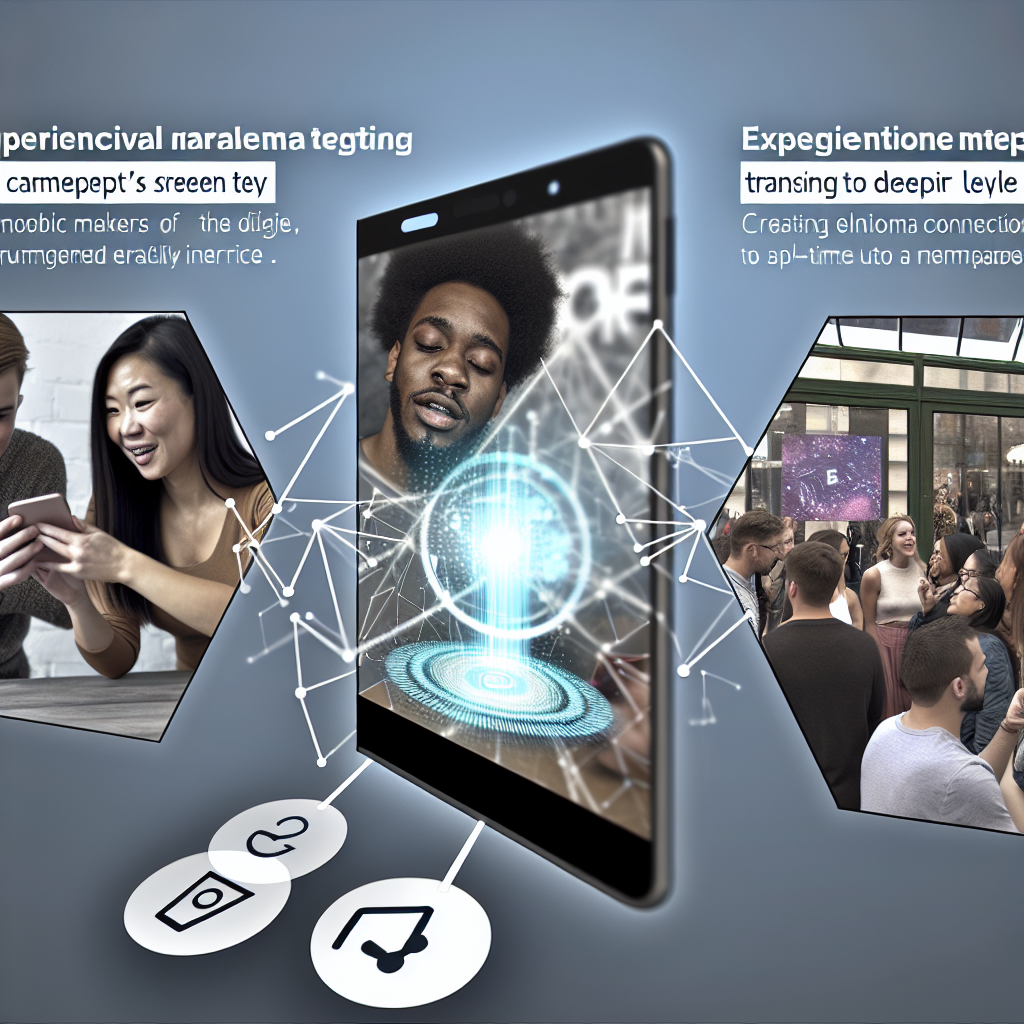
Are Traditional Ads Becoming Obsolete?
In an era where 74% of consumers say they’re more likely to buy from a brand after participating in a branded experience, the future of marketing may not lie on screens—but in real-life emotions. Welcome to the age of experiential marketing—a transformative strategy reshaping how brands connect with consumers.
In today’s digital overload, consumers crave meaningful, immersive interactions. And smart companies across diverse industries are reinventing their outreach by creating memorable, real-world experiences that live on in customers’ minds and social media feeds. From wine tastings in virtual vineyards to pop-up events inside abandoned subway stations, marketing is no longer just a message—it’s a moment.
Table of Contents
- 1. What Is Experiential Marketing?
- 2. Why Experiential Marketing Matters Now
- 3. Industries Leading the Movement
- 4. Brand Campaigns That Broke the Mold
- 5. Creative Strategies for Today’s Businesses
- 6. The Influence of Local Culture and Communities
- 7. Data Meets Experience: The Numbers Behind the Trend
- 8. Final Thoughts: Your Brand as an Experience
1. What Is Experiential Marketing?
Experiential marketing is a strategy that seeks to create meaningful, interactive, and often in-person brand experiences. Unlike traditional marketing—where a customer passively receives a message via a billboard or Instagram ad—experiential marketing invites the customer into a narrative. It’s brand storytelling with a physical, emotional, and often social media-friendly twist.
Examples include immersive pop-up activations, product sampling events with interactive demos, branded installations, virtual and augmented reality campaigns, and even large-scale music events or festivals.
These campaigns tap into the human need for connection—rather than shouting messages from billboards, companies are inviting consumers to step into the story.
2. Why Experiential Marketing Matters Now
There are several reasons this trend is booming, especially as the world moves beyond the limitations of pandemic-era marketing:
- Digital Fatigue: With screen time at record highs, audiences are tuning out digital ads and craving real-life experiences.
- Social Media Synergy: Consumers love sharing unique experiences online. A branded activation often becomes viral through Instagram, TikTok, and YouTube—organically extending its reach.
- Trust and Loyalty: Personal experiences with a brand create lasting emotional bonds, translating into increased brand loyalty.
- Millennial and Gen Z Influence: Younger consumers prioritize experiences over possessions. For these segments, a concert sponsored by a brand builds more goodwill than any clever slogan.
According to EventTrack’s 2023 report, 91% of consumers feel more positive about brands after participating in events or experiences, and 85% say they’re more likely to buy after attending one.
3. Industries Leading the Movement
E-Commerce and Retail:
Retailers are investing in “retailtainment”—think Amazon’s holiday-themed pop-up stores or Glossier’s flagship showroom experiences. These initiatives give shoppers a reason to visit physical spaces again.
Food & Beverage:
From Red Bull’s extreme sports events to Coca-Cola’s pop-up tasting labs, the F&B world is full of sensory-driven brand interactions. Local breweries often host live music nights to create community connections.
Travel and Hospitality:
Hotels and tourism boards are curating photo-worthy moments that double as shareable content. For example, Airbnb installs immersive photo sets in metropolitan areas representing exotic destinations to stir travel desires.
Automotive:
Auto brands like Tesla and Ford are creating “test drive villages” where would-be buyers can experience futuristic vehicles in immersive themes—complete with VR road simulators and live music.
Tech and Consumer Electronics:
CES and SXSW are basically one big experiential playground for tech brands—allowing visitors hands-on access to the latest gear before it launches in stores.
4. Brand Campaigns That Broke the Mold
1. Stranger Things x Lyft (Netflix):
To promote the show’s second season, Netflix transformed Lyft rides into interactive horror stories—complete with flickering lights, eerie fog, and Demogorgon surprises. Riders emerged thrilled and shared their rides on social media, driving enormous organic reach.
2. IKEA’s Sleepover Experience:
IKEA gave select London customers a chance to spend the night in their massive showroom. Featuring massages, midnight snacks, and sleep experts, the event was an experiential dream that received global coverage.
3. Lean Cuisine’s #WeighThis Campaign:
Instead of traditional product sampling, Lean Cuisine created an art installation in New York’s Grand Central Station asking women to write non-scale achievements (“I weigh being a good mom”) on custom boards. It tapped into cultural conversation while reinforcing brand values powerfully.
4. Adidas’ Speedfactory Tour:
Adidas invited customers into mobile production facilities where they could customize shoes, learn about the manufacturing process, and take home a limited-edition pair—bridging product transparency with exclusivity.
5. Creative Strategies for Today’s Businesses
Host Micro Events for Local Engagement:
Think rooftop movie nights, urban scavenger hunts, or pop-up wellness days. Partner with neighboring businesses for mutual exposure.
Ride the VR / AR Wave:
Use augmented reality filters for Instagram or create immersive games connected to your brand. A furniture store could allow shoppers to visualize pieces in their own home using AR tech.
Create Brand “Moments” at Unexpected Locations:
Place your brand in unexpected locales. For instance, a real estate company could host art walks through gentrifying neighborhoods to engage potential buyers and celebrate local artists.
Develop Shareable Installations:
Build interactive photo setups (“selfie zones”) at conferences or festivals that tie into your branding. If it’s Instagrammable, people will flock.
Use Ambassadors to Extend Experience Virtually:
Partner with local influencers to livestream or vlog brand immersions. Their audience can experience the activation digitally, creating parallel experiential pathways.
6. The Influence of Local Culture and Communities
Experiential marketing’s power often lies in its ability to tap into local culture and consumer identity. In Brooklyn, street-style campaigns and underground art installations resonate deeply, whereas in Austin, music-driven events strike a stronger chord.
Brands that tailor their experiences to hyper-local tastes—like using regional slang, food, or design aesthetics—are winning deeper engagement. A 2024 report from WARC notes that regionally customized experiential campaigns are 48% more likely to be remembered positively.
Similarly, there’s growing interest in community-centered events, from urban gardening pop-ups to multicultural celebrations, that allow brands to proudly align with local values and demographics.
7. Data Meets Experience: The Numbers Behind the Trend
- 91% of consumers report feeling a stronger connection to a brand after an experience (EventTrack, 2023)
- Brands that use experiential marketing see an average ROI of 4:1 compared to display advertising (Bizzabo)
- 77% of marketers say experiential is a key part of their modern marketing mix (EMI & Mosaic)
- 49% of attendees create mobile videos at branded events—an invaluable source of earned media
Emerging platforms like metaverse environments and location-based analytics tools are also making it easier for brands to plan and measure experiential success.
8. Final Thoughts: Your Brand as an Experience
In the coming years, experiential marketing won’t be the exception; it will be essential.
As customers increasingly prioritize meaning and interactivity, the brands that win will be those who allow people not just to consume their message—but to step into it, live it, and share it.
Whether you’re a tech company, realtor, restaurateur, or local retailer, crafting micro-experiences that resonate with your audience can dramatically elevate how your brand is perceived.
Consumers may forget your ad—but they will remember how your brand made them feel.
Now the question is: what experience will your brand create next?
Stay tuned on CompaniesByZipcode.com for next week’s exploration, where we dive into how AI-driven personalization is reshaping e-commerce in real-time.