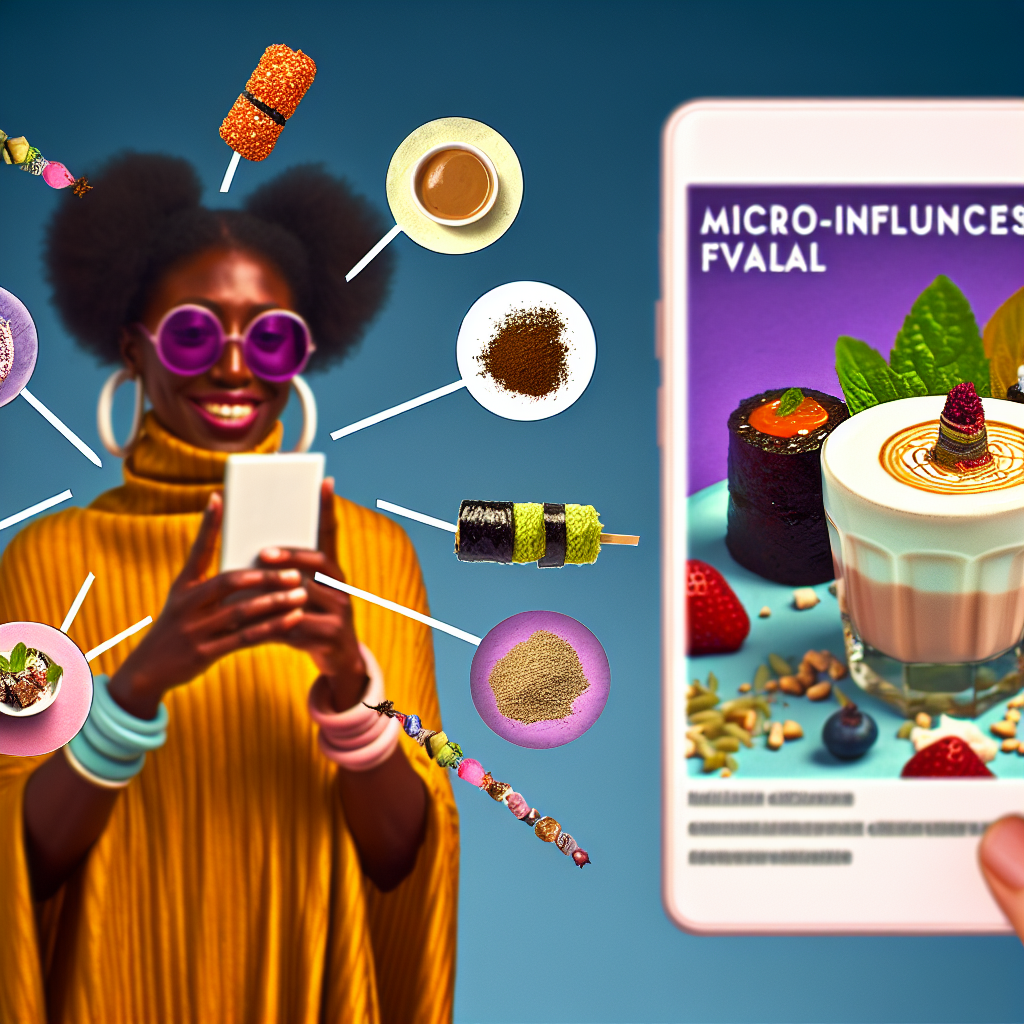
The Rise of Micro-Influencers in the Food Industry
Micro-influencers have emerged as pivotal players in the food industry, leveraging their close-knit follower relationships to drive engagement and authenticity. Unlike traditional influencers, these individuals often boast smaller but highly engaged audiences, enabling them to create a sense of community around culinary experiences.
For instance, a micro-influencer with 5,000 followers can achieve higher engagement rates than a celebrity influencer with millions of followers, as their recommendations feel more personal and trustworthy. This dynamic has led to a shift in marketing strategies, with brands increasingly partnering with micro-influencers to promote local eateries and unique food trends.
Impact of Social Media on Culinary Trends
Social media platforms are revolutionizing how culinary trends emerge and spread, with micro-influencers at the forefront of this change. By sharing visually appealing content, these influencers capture the attention of food enthusiasts and inspire them to explore new dining experiences.
For example, platforms like Instagram and TikTok allow influencers to showcase trending dishes, leading to viral food trends that can significantly boost a restaurant's visibility. The immediacy of social media also enables real-time feedback from followers, allowing chefs and restaurants to adapt quickly to consumer preferences.
Local Eateries and Community Engagement
Micro-influencers play a crucial role in promoting local eateries, fostering community engagement through their recommendations. By highlighting hidden gems and unique dining experiences, they help small businesses thrive in a competitive landscape.
Many micro-influencers host local food tours or collaborate with restaurants to create exclusive events, drawing in their followers and instilling a sense of community. This grassroots approach not only benefits the influencers and their followers but also supports local economies and encourages the discovery of diverse culinary offerings.
The Future of Influencer Marketing in the Food Sector
The landscape of influencer marketing in the food sector is continuously evolving, with micro-influencers leading the charge towards more authentic and relatable content. As consumers become more discerning, brands are recognizing the importance of genuine connections over sheer follower counts.
Looking ahead, we can expect to see a greater emphasis on collaboration between brands and micro-influencers, focusing on storytelling and shared values. This shift is likely to enhance consumer trust and loyalty, making micro-influencers an integral part of future marketing strategies in the food industry.