

How Short-Form Video is Redefining Brand Marketing in 2025
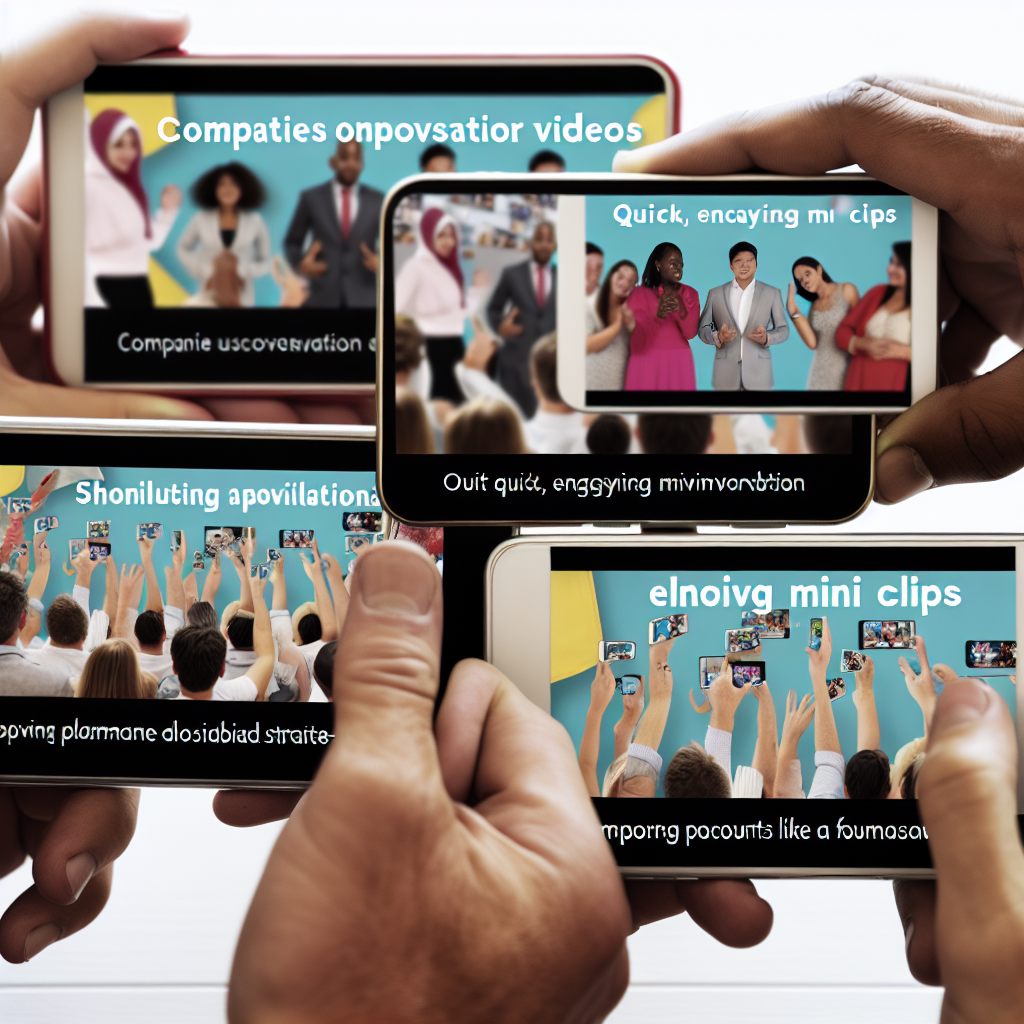
Short-Form Video 2025: Tell Your Brand Story in 15 Seconds
That’s not a glimpse into the future; it’s the reality of marketing in 2025. With platforms like TikTok, Instagram Reels, and YouTube Shorts fueling a never-ending appetite for quick, engaging content, short-form video isn’t just a trend—it’s becoming the foundation of digital marketing. Brands across industries and regions are evolving from traditional storytelling to micro-moments that captivate, convince, and convert in under a minute.
Today’s blog on CompaniesByZipcode.com explores how short-form video content is transforming the way businesses build brand identity, connect with consumers, and spark action. Whether you’re in retail or real estate, healthcare or hospitality, understanding this trend is critical to staying culturally relevant and competitive.
Table of Contents
- 1. Trend Overview: Exploding Growth of Short-Form Video Marketing
- 2. Key Industries Impacted
- Retail & E-commerce
- Healthcare
- Real Estate
- Hospitality & Travel
- Education
- 3. Leading Examples and Case Studies
- Duolingo on TikTok
- Nike’s Reels Revolution
- Zillow’s Video Listings
- 4. Fresh, Inviting Ideas for Brands
- 5. Cultural and Regional Influences
- 6. Statistics and Trending Tools
- 7. Final Thought: The New Age of Visual Marketing
1. Trend Overview: Exploding Growth of Short-Form Video Marketing
Short-form video content—defined as videos under 60 seconds—is currently dominating consumer engagement across digital platforms. Its rise can be attributed to both shifting audience behaviors and platform algorithm priorities.
In 2023, TikTok surpassed 1.5 billion global users, and marketers took notice. Instagram Reels and YouTube Shorts quickly followed, allocating more algorithmic attention and financial backing to promote bite-sized content. Hootsuite reports that 73% of consumers prefer to watch a short video to learn about a product or service rather than reading text or viewing photos. And in 2025, brands that fail to create short-form content risk being ignored.
Unlike longer brand videos, short-form content relies on immediacy, succinct storytelling, visual punch, and authenticity. It’s a shift away from polish and traditional production value and a step toward real-time brand engagement.
2. Key Industries Impacted
Retail & E-commerce
Retail brands are using short-form video to showcase new products, launch user-generated content campaigns, and create lifestyle narratives. Brands like ASOS and Sephora use TikTok to display try-ons, how-tos, and customer reviews in visually stimulating ways that boost click-to-cart conversion.
Healthcare
Healthcare providers and mental health organizations are leveraging short-form video to destigmatize treatment and educate younger audiences. Doctor influencers have emerged—real medical professionals engaging on platforms like TikTok to increase health literacy. Clinics use Reels to make complex topics accessible without triggering audience fatigue.
Real Estate
Static MLS listings are being replaced—or supplemented—with short-form property walk-throughs and neighborhood highlights. Zillow and independent realtors alike are using platforms like Instagram to build trust with potential buyers, especially Gen Z and millennial clients who are mobile-first.
Hospitality & Travel
Short behind-the-scenes videos at luxury hotels, local tours of hidden travel gems, or customer-generated resort content are changing how travelers pick their next destination. Airbnbs are booked based on rich, vertical video experiences of staycations and spaces.
Education
Even educational institutions are jumping in, using Reels and TikTok to promote campus life, showcase student life, and even share learning tips. Short-form academic content is blurring the lines between education and entertainment—edutainment, if you will.
3. Leading Examples and Case Studies
Duolingo on TikTok: Linguistics Meets Performance Art
Duolingo has become a case study in how to blend brand personality with platform culture. The company’s TikTok account, featuring its oversized green owl mascot, reached over 7.5 million followers by leaning into absurdity, cultural relevance, and native humor. Its irreverent tone—playing into Gen Z sarcasm and meme culture—resulted in a 67% increase in app downloads within three months of launching their viral TikTok strategy.
Nike’s Reels Revolution
Nike’s shift toward short-format storytelling has allowed the brand to build deeper connections with micro-markets. Through localized Reels and Shorts, Nike doesn’t just promote athletic wear—it showcases people from different regions participating in sports, telling stories of grit and passion. These bite-sized stories align with their mission of empowering athletes and consumers globally.
Zillow’s Video Listings
Zillow has embraced video-driven marketing campaigns on TikTok and Instagram, with property reviews like “This $1.2M New York Apartment Is a Glass Maze” trending across real estate circles. These tours, often conducted by charismatic realtors or influencers, led to increased web traffic and even remote bookings.
4. Fresh, Inviting Ideas for Brands
If you’re looking to integrate short-form video into your marketing strategy beyond basic product showcases, consider these:
- Launch Hashtag Challenges: Invite users to show their experience with your product using a unique and branded hashtag. This boosts organic reach rapidly.
- Day-in-the-Life Reels: Whether you’re a local business or a global brand, show “behind the curtain” content to humanize your business.
- Customer Spotlight Clips: Feature satisfied customers in funny, insightful, or inspiring 20-second clips to build social proof.
- Countdown Launches: Instead of teasing products via email, do 15-second countdown clips—one per day—with escalating exclusivity or sneak peeks.
5. Cultural and Regional Influences
What resonates in Los Angeles might flop in Lisbon. Local trends shape short-form success, and marketers are becoming more attuned to regional nuances.
In Japan, minimalist aesthetics and soft background music dominate short-form video storytelling, reflecting traditional cultural values. Meanwhile, in Brazil, high-energy, music-driven content outperforms in virality. Brands adopting geo-specific content strategies see a higher engagement rate—up to 27%, according to a Sprout Social report on regional content adaptation.
6. Statistics and Trending Tools
Stat Alert: Cisco predicts that by the end of 2025, 82% of all internet traffic will be video-based.
Wyzowl Data (2024): 89% of video marketers say video gives them a good ROI, and short-form videos have the highest ROI of all content types.
Top Tools:
- CapCut and InShot (Accessible mobile editors)
- Lumen5 and Pictory (AI-powered short-form creators)
- Descript and Clipchamp (For captions, voiceovers, and sound editing)
Short-form tools now empower small businesses without design teams to compete with global brands, leveling the playing field for creative marketing.
7. Final Thought: The New Age of Visual Marketing
In 2025, attention is currency—and short-form video is the mint. This ever-evolving, fast-paced content format is no longer a supplement to traditional content marketing strategies; it’s becoming the centerpiece. From local coffee shops in Austin to fintech startups in Berlin, short-form video offers a window into brand culture, not just product catalogs.
At CompaniesByZipcode.com, we believe that understanding and acting on marketing trends like short-form video can deeply influence how businesses grow and connect within their communities. As digital landscapes shift, so too must our approaches—compact, creative, and culturally tuned marketing is how modern brands win love and loyalty.
Check back next week for another breakdown of a top marketing trend reshaping the world—one ZIP code at a time.