

2025 Hyperlocal Marketing Strategies to Dominate Your Community
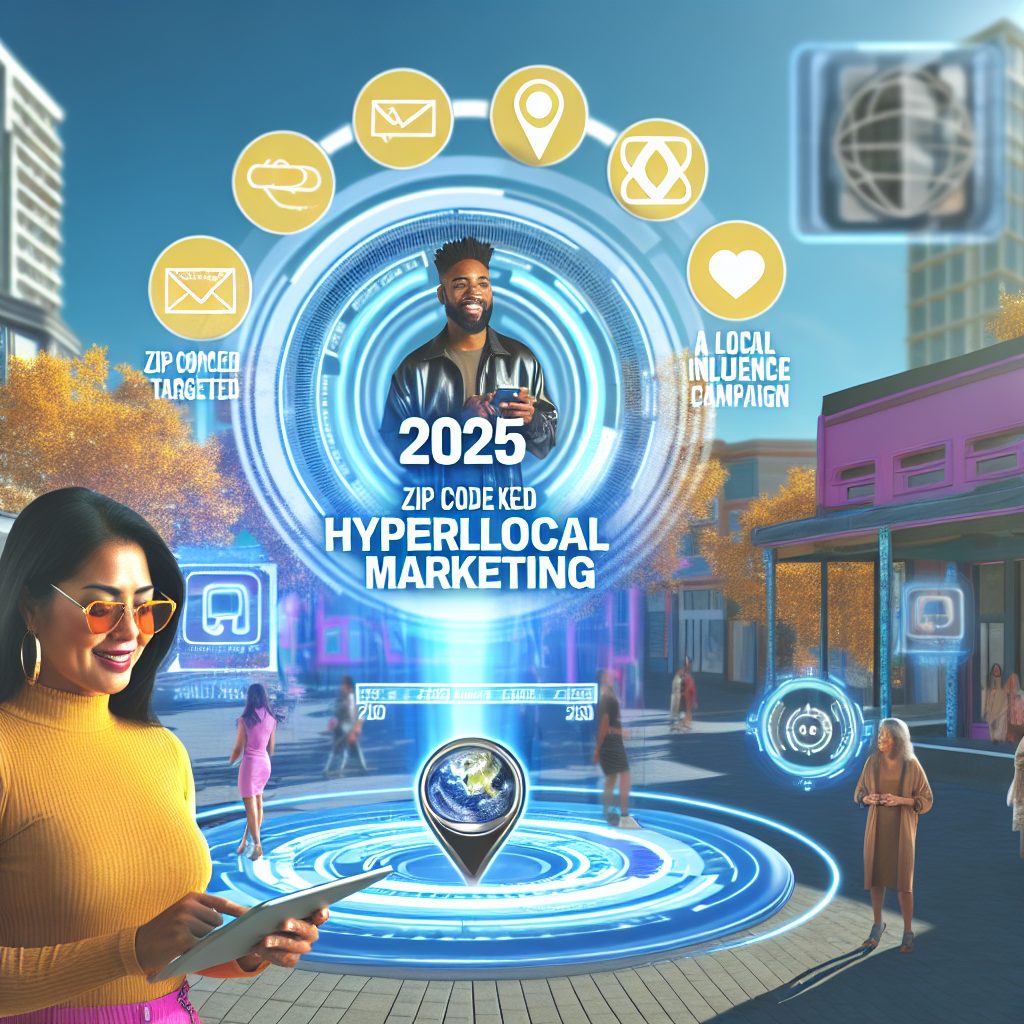
What if the future of your brand’s success hinges not on being the biggest player, but on being the most relevant one – in your customer’s own ZIP code?
In 2025, hyperlocal marketing isn’t just a buzzword; it’s becoming the strategic edge that smart businesses are using to dominate in their communities. With 80% of consumers more likely to shop from brands that personalize offers based on location, the focus has shifted from broad strokes to block-by-block influence.
Welcome to a geo-targeted world where local relevance is the new global advantage.
Table of Contents: Hyperlocal Marketing Strategies & Topics
1. What is Hyperlocal Marketing?
2. Why Hyperlocal Is Dominating Now
3. Industries Most Transformed by Hyperlocal Strategies
4. Front-Runners: Success Stories from Local Campaigns
5. Fresh Ideas to Leverage Hyperlocal Marketing Today
6. Cultural Flavor and Regional Nuance
7. Trends and Tools Driving the Hyperlocal Ecosystem
8. Final Takeaways: Local is Key to Going Big
1. What is Hyperlocal Marketing?
Hyperlocal marketing focuses on targeting potential customers in a very specific, geographically restricted area. This could be as precise as a ZIP code, street, or even a single block radius. Unlike traditional advertising that casts a wide net, hyperlocal campaigns are sharply tailored to community needs, events, and local intent.
It leverages tactics like geofencing, local SEO, Google My Business listings, community influencer partnerships, and even real-time offers served through location-aware apps.
Why This Trend Matters
In 2025, hyperlocal marketing is gaining momentum because consumers are craving convenience, community-focused experiences, and authentic brand connections. With digital privacy regulations tightening and the cost of global digital advertising rising, brands are rediscovering the ROI of going local.
2. Why Hyperlocal Is Dominating Now
Several converging shifts are powering the hyperlocal wave:
- Google’s Algorithm Improvements: Search engines are prioritizing “near me” related searches. Over 46% of all Google search now include a location component.
- Post-COVID Consumer Behavior: Consumers have developed stronger ties to their local communities, favoring small or community-minded businesses.
- Mobile Device Geolocation: With mobile accounting for over 60% of web traffic, mobile location services make hyperlocal messaging seamless.
- Privacy Legislation: With third-party data restrictions tightening, using first-party, location-based data ethically lets marketers remain effective while staying compliant.
3. Industries Most Transformed by Hyperlocal Strategies
E-commerce & Retail
Online retailers are tapping into local markets by curating delivery times, showing inventory based on local stock, and running ZIP code-targeted promotions. Brands like Instacart and Amazon Fresh are tailoring their interface and offers based on micro-geographies.
Healthcare
Urgent care centers, dental offices, and telehealth providers are targeting neighborhoods based on health needs. Google Ads localized to neighborhoods with health statistics show 50% higher click-through rates.
Real Estate
Hyperlocal marketing is redefining property promotions. Real estate brokers are optimizing their Google My Business profiles, hosting virtual neighborhood tours, and reaching millennial buyers via community-specific social media groups.
Food & Beverage
Local restaurants are offering delivery deals to specific apartment complexes or street clusters, aided by hyper-targeted app-based advertising on platforms like Uber Eats and Grubhub.
Automotive
Dealerships are launching localized campaigns for lease offers and service discounts based on driving trends in ZIP codes to boost customer footfall.
4. Front-Runners: Success Stories from Local Campaigns
Starbucks “Next Door” Campaign in NYC
In 2024, Starbucks launched a city-wide hyperlocal campaign that digitally alerted passersby to the nearest café serving a limited-time drink specific to their borough. The result? A 23% increase in foot traffic and a 12% boost in mobile orders.
Walgreens’ Neighborhood Wellness
Walgreens began tailoring health content based on ZIP code health stats, climate data, and community demographics. From cold season promotions in northern locales to allergy alerts in pollen-heavy areas, the brand improved seasonal engagement rates by 19%.
Zillow’s Interactive Zip Maps
Zillow now delivers customized listings and neighborhood data overlays—from school ratings to walkability indexes—for every ZIP code. This not only enhances trust but also boosts site dwell-time and conversion metrics.
5. Fresh Ideas to Leverage Hyperlocal Marketing Today
Looking to hop on the hyperlocal bandwagon? Here’s how to get creative:
- Geo-Fence Event Marketing: Activate push notifications and ad banners for users near local festivals, sports events, or community gatherings.
- Localized Influencer Partnerships: Collaborate with micro-influencers focused exclusively on a particular city or neighborhood—especially effective for food, fashion, and wellness.
- ZIP-Code-Specific Landing Pages: Customize your website and create unique landing pages with localized messaging, testimonials, and promotions.
- Neighborhood Loyalty Programs: Design loyalty tiers or reward systems exclusive to residents of specific ZIP codes or districts.
- Voice Search Optimization: Focus on optimizing for “near me” and hyperlocation search queries with voice assistant in mind.
6. Cultural Flavor and Regional Nuance
The nuances of hyperlocal marketing often lie in understanding the cultural makeup of specific communities. A successful campaign in Portland won’t resonate the same way in Miami. For example:
- In regions like Southern California, bilingual marketing efforts tailored by neighborhood can expand audience reach by up to 40%.
- Urban neighborhoods respond better to environmental impact messaging and convenience-based promotions, while suburban areas prioritize value and dependability.
- Seasonal adaptability is vital—think iced beverages in Phoenix in March versus comfort food promotions in Chicago.
7. Trends and Tools Driving the Hyperlocal Ecosystem
Trending Tools
- Foursquare and Near: Popular for real-time location-based audience segmentation.
- UberMedia and GroundTruth: Use geolocation and foot traffic patterns to build predictive insight models.
- Yext, Moz Local, and BrightLocal: For managing and optimizing location data across directories and search engines.
- Meta’s Local Awareness Ads: Facebook/Instagram tools that allow precision targeting within a one-mile radius.
Data That Reinforces the Strategy
- 72% of consumers who perform a local search visit a store within five miles (Think With Google).
- Nearly 90% of “near me” searches result in action within one day.
- Businesses that maintain accurate local listings are 70% more likely to be trusted by customers.
8. Final Takeaways: Local is Key to Going Big
In 2025, the secret to scaling your brand may not be expanding outward, but inward—by going deeper into customer neighborhoods and community ecosystems. Hyperlocal marketing combines technology, empathy, and precision for maximum impact. It empowers businesses of all sizes to compete and connect like never before.
Whether you’re a startup or a national franchise, now’s the time to get granular. Target ZIP codes. Speak their language. Join their conversations. And watch your brand become not just seen—but felt—on every corner where it matters.
Looking to level up your hyperlocal marketing strategy? Explore how CompaniesByZipcode.com can help your business stand out in the digital crowd—right in your customer’s neighborhood.