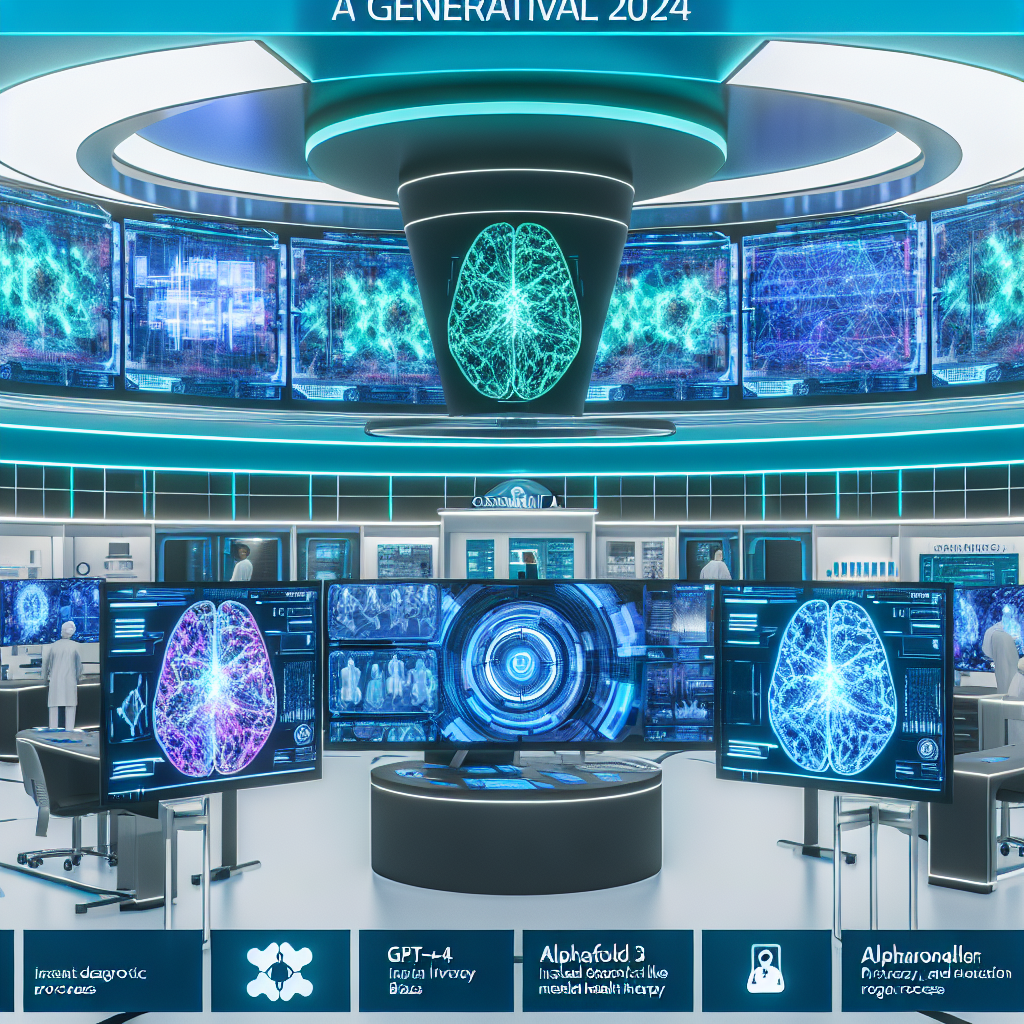
Advancements in AI-Driven Diagnostics
Generative AI is revolutionizing diagnostics by enhancing the accuracy and speed of disease detection. With machine learning algorithms analyzing vast datasets of medical images and patient histories, AI technologies can identify patterns that may elude human practitioners.
For instance, AI systems such as Google's DeepMind have demonstrated remarkable proficiency in diagnosing eye diseases from retinal scans, achieving accuracy levels comparable to that of top specialists. This not only expedites the diagnostic process but also ensures that patients receive timely and effective treatment.
Impact of Generative AI on Drug Discovery
The integration of generative AI in drug discovery is streamlining the development of new pharmaceuticals. By simulating molecular interactions and predicting the efficacy of compounds, AI can significantly reduce the time and cost associated with bringing new drugs to market.
For example, companies like Atomwise utilize AI to analyze chemical compounds and predict their potential effectiveness against various diseases, leading to faster identification of viable drug candidates. This innovative approach is transforming the traditional drug development pipeline and enhancing the overall efficiency of pharmaceutical research.
Enhancing Patient Care Through AI Technologies
Generative AI is also playing a pivotal role in enhancing patient care by personalizing treatment plans and improving patient engagement. AI-driven platforms can analyze patient data to tailor interventions that meet individual needs, thereby increasing the effectiveness of care.
For instance, AI tools like IBM Watson Health can provide healthcare providers with insights based on a patient's unique medical history, allowing for more informed decision-making. This level of personalization not only improves health outcomes but also fosters greater patient satisfaction and adherence to treatment protocols.
Challenges and Ethical Considerations of AI in Healthcare
Despite the promising advancements, the integration of generative AI in healthcare also presents challenges and ethical dilemmas. Issues such as data privacy, algorithmic bias, and the need for transparency in AI decision-making processes must be addressed to ensure responsible use of these technologies.
For example, concerns about patient data security have prompted calls for stringent regulations to protect sensitive information. Additionally, ensuring that AI systems are trained on diverse datasets is crucial to avoid biases that could adversely affect patient care across different demographics.