


Shoppable Video Content: The Future of Seamless Commerce in 2025
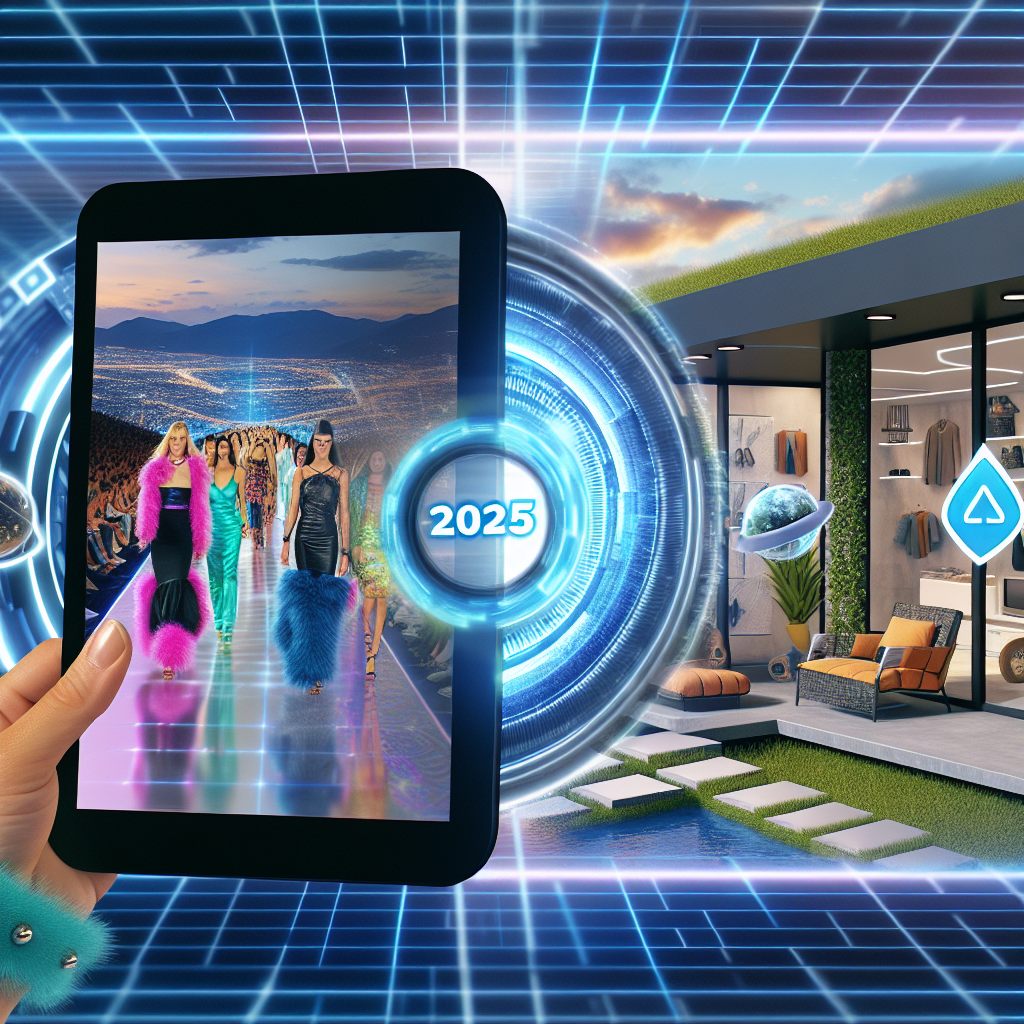
The Rise of Shoppable Video Content in 2025
What if your customers didn’t have to leave the video they’re watching to buy the sneakers they see on-screen—or that midcentury sofa in the background shot of a home tour? In 2025, that customer journey isn’t hypothetical. It’s here, it’s shoppable, and it’s rapidly redefining the ecommerce and content landscape. According to a recent HubSpot survey, 45% of marketers say that interactive video (especially shoppable video) will be one of the most impactful trends of 2025. The seamless blending of content and commerce isn’t just a nice-to-have—it’s becoming a must-have for brands looking to engage media-savvy consumers.
Welcome to the era of shoppable video content, where storytelling meets instant gratification.
Shoppable Video Content Guide for 2025: Table of Contents
- What Is Shoppable Video Content?
- Why This Trend Matters Now
- Industries Leading Adoption
- Retail & Fashion
- Beauty & Personal Care
- Real Estate
- Food & Beverage
- Health & Wellness
- Brand Success Stories
- Walmart & TikTok Live
- Sephora’s Video Shopping Integration
- Zillow’s Immersive Home Tours
- Creative Ways Businesses Can Get On Board
- Local vs. Global: Cultural Shifts Driving Behavior
- Tools, Stats & Technologies Powering the Trend
- Final Thoughts: Is Your Brand Video-Commerce Ready?
1. What Is Shoppable Video Content?
Shoppable video content integrates clickable product links, buy buttons, and interactive overlays directly into video media—giving viewers the option to browse and purchase items without leaving the video experience.
It’s a user-centric, frictionless form of digital commerce that transforms entertainment, tutorials, product reviews, or live events into direct-sale opportunities. Whether it’s short-form social content, live shopping broadcasts, or immersive explainer videos, shoppable formats are enabling brands to monetize content in real time.
2. Why This Trend Matters Now
In today’s attention economy, where average attention spans are down to just 8.25 seconds, reducing friction in the buyer’s journey is critical. Traditional ad-stuffed ecommerce workflows are failing to keep pace with how audiences consume content—especially Gen Z and millennials.
Here’s why now is the perfect time for shoppable video:
- Social commerce is booming. In the U.S., retail social commerce sales are projected to reach $79.6 billion by 2025 (Statista).
- Livestream shopping is mainstream. Driven by platforms like TikTok Shop and YouTube Live, interactive shopping streams are no longer niche.
- Video dominates content consumption. Cisco says video will make up 82% of all internet traffic in 2025.
- Consumers want instant access. 60% of Gen Z shoppers say they want to discover products through creators, then buy them directly during the experience (Google Shopping Insights).
3. Industries Leading Adoption
Retail & Fashion
Brands like Zara, H&M, and Fabletics are embedding “see it, shop it” options in their video lookbooks and influencer campaigns. TikTok has become a vital video-to-cart channel for fast-fashion brands.
Beauty & Personal Care
Sephora and Ulta are integrating shoppable how-to tutorials with influencer content that links products for effortless checkout. Consumers no longer just watch a makeup review—they buy the entire look mid-video.
Real Estate
Virtual walkthroughs and 360° video listings now come embedded with shoppable details—letting users click to learn more about appliances, furnishings, and smart home features shown in the video.
Food & Beverage
Recipe videos now feature shoppable links to involved kitchenware and bundled ingredients. Brands like Blue Apron and Whole Foods are using video content to push seamless purchasing.
Health & Wellness
Peloton’s fitness classes or wellness influencers allow for clickable apparel and equipment links mid-workout video. Wellness brands are also turning to live demos with embedded buying functionality.
4. Brand Success Stories
Walmart & TikTok Live
Walmart was one of the first big-box retailers to partner with TikTok’s livestream shopping feature. The company hosted a series of influencer-led live shopping events which drew thousands of viewers and increased the retailer’s TikTok following by 25%—all while allowing customers to shop in real time.
Sephora’s Video Shopping Integration
Sephora launched its “Swipe & Shop” video experience in 2024 in select markets, enabling users to watch a product demo and tap to buy without navigating away from the tutorial. Early reports show a 35% increase in conversion rates over traditional video ads.
Zillow’s Immersive Home Tours
Zillow introduced interactive video walkthroughs allowing viewers to click on furniture or appliances in a listing to see specs, vendors, and even designated Amazon buy-photo links—transforming the passive viewing experience into an active shopping opportunity.
5. Creative Ways Businesses Can Get On Board
- 1. Use Shoppable Overlays on Instagram Reels or TikTok. Create micro demos that layer product stickers and purchase options.
- 2. Host Livestream Events. Collaborate with influencers or internal experts to walk through new launches, using platforms like YouTube Live with embedded CTAs.
- 3. Incorporate Personalized Recommendations via AI. Dynamic videos that change product suggestions per viewer provide a unique buying journey.
- 4. Partner with shoppable tech solutions like Smartzer, Livescale, and Bambuser. These tools allow SMBs and enterprise players alike to integrate clickable video without needing massive development.
- 5. Plan a Local Spin. Feature known local figures or film content in recognizable neighborhoods to create regionally personalized engagement.
6. Local vs. Global: Cultural Shifts Driving Behavior
In North America, consumers increasingly expect entertainment and commerce to blend seamlessly. Meanwhile, in APAC regions like China and South Korea, shoppable video is already a norm—with platforms like Taobao Live reshaping buying culture.
Interestingly, U.S. audiences respond better to authenticity over perfect production. In contrast, European buyers value brand values delivered visually, while Latin American viewers engage most with community-centric shopping experiences.
The U.S. market is catching on quickly—with a heavy regional presence in urban centers (especially in NYC, Los Angeles, Austin, and Atlanta) where influencer-driven commerce and innovation incubators thrive.
7. Tools, Stats & Technologies Powering the Trend
Top Shoppable Video Platforms:
- Channelize.io (WooCommerce and Shopify compatible)
- Firework (used by Albertsons)
- Smartzer (used by Estée Lauder)
- Livescale (for livestream shopping)
Key Stats:
- Videos with interactive shoppable elements have 3x higher conversion rates than non-interactive video ads (Aberdeen Strategy & Research).
- 67% of Gen Z say they are more likely to buy from a brand offering shoppable content (Shopify and CommerceNext).
- 64% of marketers plan to increase budgets for interactive video in 2025 (Wyzowl Video Survey).
Future Technologies to Watch:
- AI-powered product tagging
- Shoppable augmented reality (AR) videos
- Voice-activated shopping controls within TV streaming apps
8. Final Thoughts: Is Your Brand Video-Commerce Ready?
Shoppable video content is no longer an emerging trend—it’s a new standard. As digital behavior evolves toward shorter, more immersive, and transactional content, brands must pivot or risk being left behind.
Whether you’re a boutique apparel store looking to turn try-on hauls into sales, or a real estate agency hoping to monetize home styling tips, the tools, platforms, and consumer demand are already in place.
Now is the time to experiment. Start small with select products. Lean into storytelling. Test video formats on different platforms. Elevate user experience alongside convenience. After all, in 2025, the best storefront your brand might have isn’t a website or brick-and-mortar store—it’s a 30-second TikTok.
Stay tuned as CompaniesByZipcode.com explores more weekly insights into regional and cross-industry marketing innovations.
Check back next week as we explore how zero-party data is redefining trust and personalization in brand marketing campaigns.
