


How Generative AI Is Shaping the Next Generation of Education in 2024
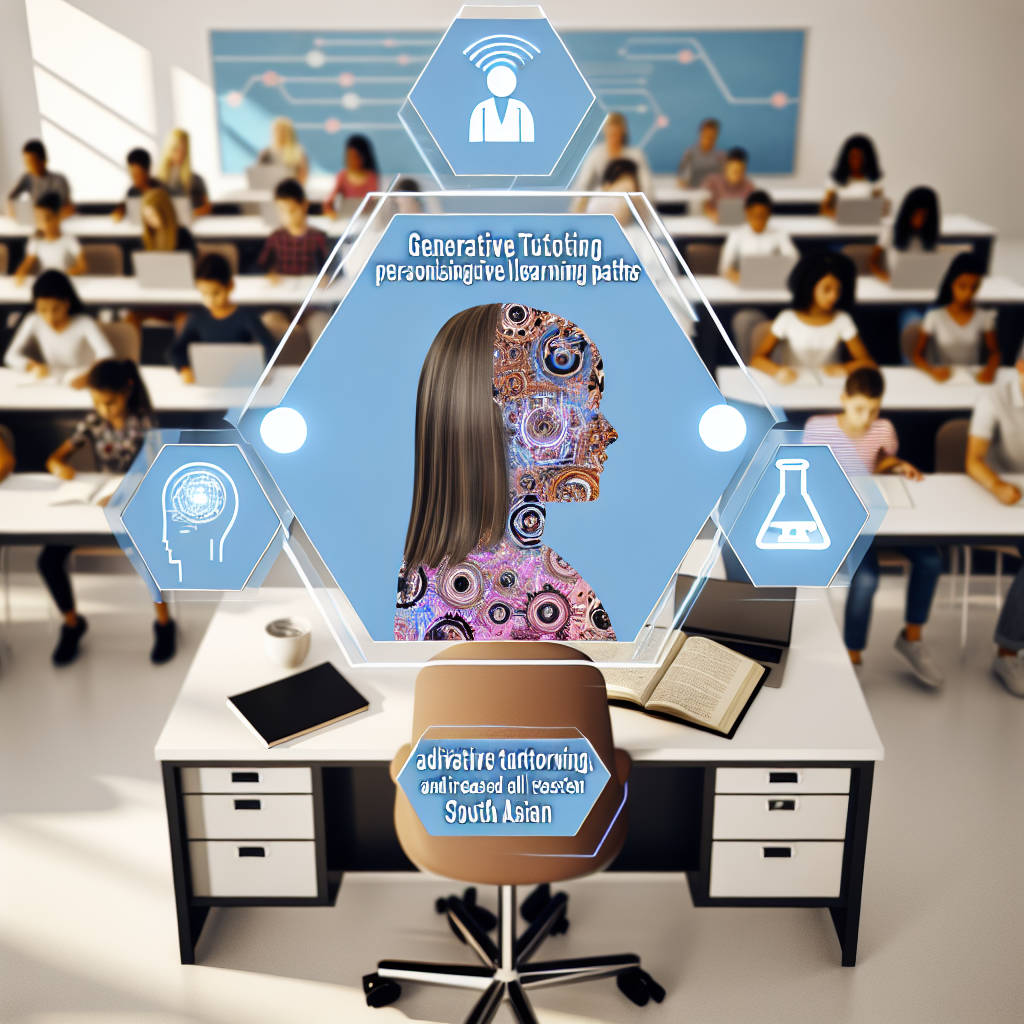
Artificial Intelligence Revolutionizing Education
Artificial Intelligence is not just changing the way we search, work, or create—it’s revolutionizing how we learn. With generative AI technologies like ChatGPT, Claude AI, and Google’s Gemini becoming more sophisticated, the global education industry is undergoing a transformation unlike anything we’ve seen before. From personalized tutoring to AI-generated lesson plans, the classroom of 2024 is no longer confined by four walls or a standardized curriculum. It’s interactive, automated, tailored—and growing smarter every day.
Table of Contents
- 1. Introduction: A New Era of Learning
- 2. What Is Generative AI in Education?
- 3. Key Players Fueling the EdTech AI Boom
- 4. Practical Applications in Modern Classrooms
- 5. Generative AI’s Impact on Students, Teachers, and Institutions
- 6. Opportunities and Risks for the Future of Learning
- 7. Predictions: What Does the AI-Driven Classroom of 2030 Look Like?
- 8. Tools & Strategies: How Schools and EdTech Startups Can Adapt
- 9. Real-World Case Studies: AI in Action
- 10. Final Thoughts: The AI Report Card on Education
- 11. Further Reading and Resources
1. Introduction: A New Era of Learning
Generative AI has hit the education sector like a lightning bolt, changing not only how information is consumed but also how it’s created. In a post-pandemic world hungry for digital transformation, AI tools are stepping in to bridge the gaps left by outdated systems and overwhelmed educators. According to HolonIQ, global EdTech investment reached $11.4 billion in 2023, with much of it funneled into AI-powered platforms. In 2024, AI is poised to further decentralize education, empower learners, and disrupt the traditional schooling model as we know it.
2. What Is Generative AI in Education?
Generative AI refers to systems capable of creating new content—text, images, code, even lesson plans—based on training data. In education, this often looks like:
- AI tutors offering instant academic help
- Content generators for teachers (slides, assessments, quizzes)
- Adaptive learning systems that personalize course delivery
- AI chatbots for student engagement and feedback
Rather than replacing teachers, these tools augment human instruction and fill the gaps where resources are limited.
3. Key Players Fueling the EdTech AI Boom
The surge in generative AI applications in education can be attributed to breakthroughs from several major players:
- OpenAI: With the release of GPT-4 and GPT-4o, OpenAI has powered platforms like Khan Academy’s Khanmigo, offering contextual tutoring and Socratic questioning frameworks.
- Google DeepMind: Through Gemini and its connected Google Workspace tools, DeepMind is developing AI-powered classroom aids and real-time feedback tools.
- Anthropic: Its AI assistant, Claude, emphasizes aligned and safe dialogue, ideal for use cases like digital mentoring or essay feedback.
- Microsoft Education: Leveraging its deep integration of OpenAI tech in Microsoft 365, schools can now use Copilot in Word or PowerPoint to quickly generate customized lesson materials.
4. Practical Applications in Modern Classrooms
Everyday Use Cases
- AI Homework Assistance: Tools like Socratic (by Google) and ChatGPT help students understand complex concepts outside class hours.
- Lesson Plan Generation: Educators use tools like Curipod and MagicSchool AI to develop engaging, standards-aligned lesson plans in minutes.
- Language Translation & Accessibility: AI can instantly translate educational content, breaking language barriers and increasing equity.
- Assessment & Feedback: Generative tools analyze student essays, suggest improvements, and provide real-time feedback.
Game-Changing Innovation
- AI-Powered Learning Paths: Platforms like Squirrel AI (China) and Century Tech (UK) use learner behavior and performance insights to curate adaptive learning paths.
- AI-Based Roleplaying and Simulation: Tools simulate historical debates, scientific trials, and entrepreneurial challenges—bringing immersive learning into classrooms.
5. Generative AI’s Impact on Students, Teachers, and Institutions
For Students:
- Personalized learning at scale
- Improved retention through tailored content
- Mental health support via empathetic AI counselors (e.g., Woebot)
For Teachers:
- Reduced administrative load
- Dynamic curriculum development
- Enhanced capacity to differentiate instruction
For Institutions:
- Data-driven insights into student performance
- Scalable expansion of online offerings
- Cost savings on curriculum development and tutoring
6. Opportunities and Risks for the Future of Learning
Opportunities:
- Democratization of high-quality education
- Support for neurodiverse and differently-abled students
- New hybrid education models (AI + human)
Risks:
- Intellectual property challenges in AI-generated material
- Biases in machine learning models leading to flawed suggestions
- Overdependence on AI leading to under-skilled educators or learners
According to a 2024 EDUCAUSE survey, 63% of higher education leaders are concerned about ethical AI use, while 78% are investing in AI training for faculty.
7. Predictions: What Does the AI-Driven Classroom of 2030 Look Like?
Experts predict a decade ahead will include:
- AI tutors that track emotional cues and learning fatigue in students
- Assessment systems that analyze effort over mere answers
- Credentialing through AI-driven portfolio review rather than standardized tests
- Entire “AI colleges” offering flexible, skills-based education with global accessibility
8. Tools & Strategies: How Schools and EdTech Startups Can Adapt
Must-Try Tools:
- MagicSchool AI – Lesson, email, and rubric generation for K-12 teachers
- Querium – AI-supported STEM tutoring with real-time adaptability
- Speechify + ElevenLabs – AI voice-over for accessible learning materials
- Gradescope (by Turnitin) – AI-assisted grading and plagiarism detection
Strategies for Implementation:
- Invest in AI literacy for students and staff
- Start small: Pilot AI tutors in specific classrooms
- Audit AI systems for bias, transparency, and security
- Partner with tech providers offering customizable APIs
9. Real-World Case Studies: AI in Action
Case Study: Khan Academy’s Khanmigo
Powered by GPT-4, Khanmigo acts as an AI-powered tutor that teaches through inquiry—not answers. It has already been piloted in multiple U.S. state districts with promising results, improving math performance and engagement.
Case Study: Arizona State University + OpenAI
In early 2024, ASU became the first major university to officially partner with OpenAI on institutional integration. Their AI platform supports faculty in developing coursework and helps students navigate career planning with real-time, personalized paths.
Case Study: Poland’s National AI Curriculum
In 2023, Poland launched a national AI literacy initiative for high schoolers using GPT-powered tools for algorithm visualization, ethics debate simulations, and programming tutorials—all in multiple languages.
10. Final Thoughts: The AI Report Card on Education
If 2023 was the year of experimentation, 2024 is the year of institutional adoption. Generative AI is no longer a buzzword—it’s an educational necessity. But the A+ future hinges on thoughtful implementation, ethical boundaries, and unwavering support for educators. Schools that embrace AI will elevate learning beyond the traditional classroom into a world of limitless possibility. Those who resist risk falling behind.
11. Further Reading and Resources
- “Khan Academy and GPT-4: The Future of AI Tutoring”
- “AI in Education – HolonIQ 2024 Research Report”
- “How ASU Is Using Generative AI to Empower Faculty and Students”
- “The AI Classroom: Tools and Lessons for Modern Teachers”
- “OpenAI’s GPT-4 in Higher Ed Classrooms”
- “AI and Ethics in Learning Environments – UNESCO Report”
By staying open, curious, and ethically grounded, businesses, educators, and learners can thrive in the AI-powered classrooms of tomorrow.
Want to explore how AI is changing other industries? Visit CompaniesByZipcode.com for exclusive insights on tech disruption across sectors—by location, niche, and innovation area.
