


Location-Based Marketing in 2025: Strategies for Local Business Growth
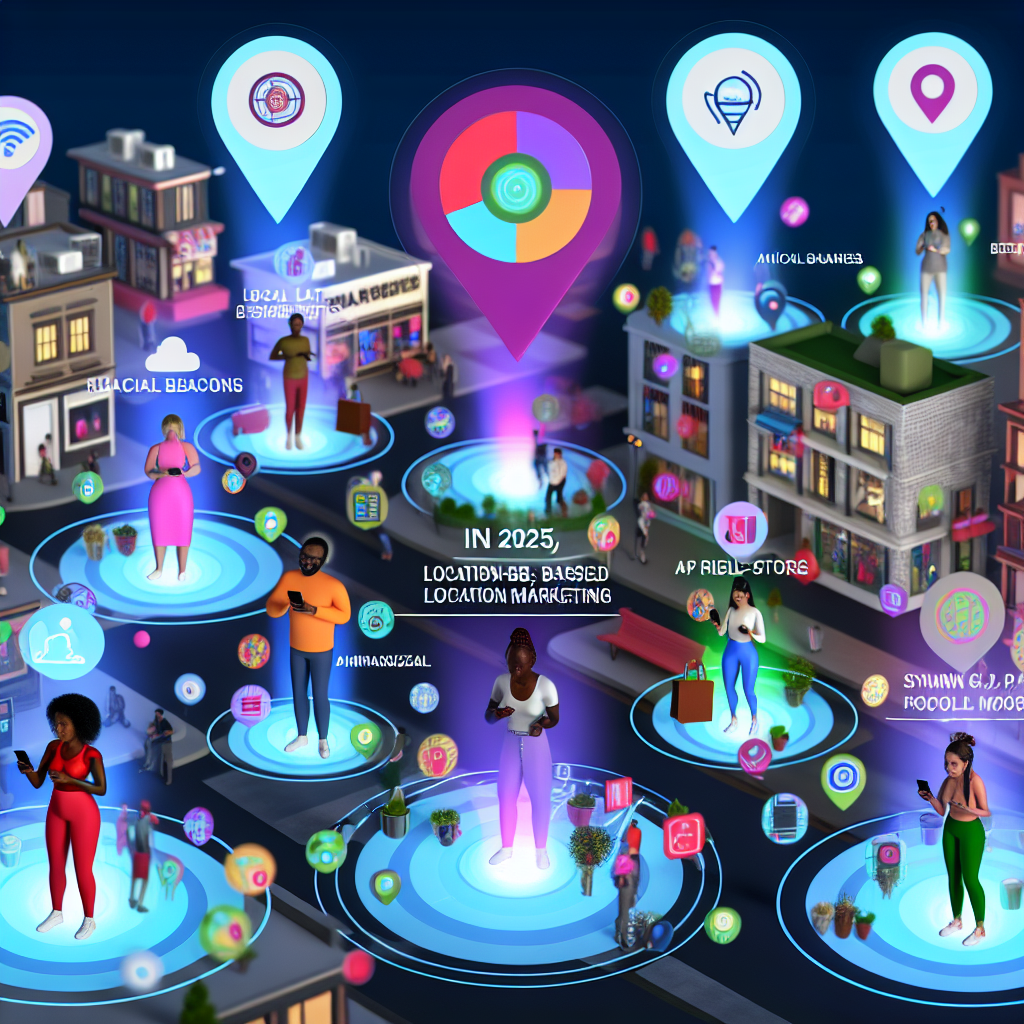
Have you ever wondered why your favorite coffee shop always seems to send you an irresistible discount just as you’re walking nearby?
That’s not coincidence—it’s location-based marketing in action. In 2025, this precision-driven trend is reshaping how businesses connect with customers, blending geo-technology with hyper-personalized campaigns that are boosting foot traffic, conversions, and brand loyalty like never before.
Table of Contents: 2025 Location-Based Marketing Strategies
- 1. What is Location-Based Marketing?
- 2. Why Location-Based Marketing is Booming in 2025
- 3. Key Industries Adopting Location-Based Strategies
- Retail & E-commerce
- Food & Beverage
- Health & Wellness
- Travel & Hospitality
- Real Estate
- 4. Success Stories: Brands That Are Owning the Local Moment
- 5. Fresh Ideas for Localized Campaigns in Your Zip Code
- 6. Regional Nuances: How Culture Impacts Hyperlocal Strategies
- 7. Tools, Tech, and Key Stats You Need to Know
- 8. Inside the Minds of Today’s Location-Aware Consumers
- 9. Future-Proofing Your Business With Geo-Marketing
- 10. Final Thoughts: Taking Marketing Personally—and Geographically
1. What is Location-Based Marketing?
Location-based marketing (LBM), also called geo-targeted or proximity marketing, is a strategy that uses geographic data to tailor messaging to consumers based on their real-time location. It leverages GPS, Bluetooth beacons, geofencing, and mobile app permissions to trigger timely and relevant messages—a notification, offer, or ad—when users enter a specific area.
This marketing method bridges the online–offline divide and is often used through:
- Push notifications when someone is near a store
- Google or Apple Map local search ads
- In-app promotions triggered by location
- Dynamic billboards based on neighborhood demographics
- Beacon-powered experiences in physical spaces
2. Why Location-Based Marketing is Booming in 2025
Consumers in 2025 expect seamless experiences that are convenient, quick, and hyper-relevant. With over 85% of Americans owning smartphones and more than 70% enabling location sharing for select apps, the era of generic mass advertising is fading quickly.
Consider this:
- According to a 2024 report by Statista, 76% of consumers are more likely to act on offers that are location-based.
- Businesses using geo-targeted advertisements see an average conversion uplift of 25–30%.
- Advancements in AI have made it easier to analyze foot traffic behavior and location data at scale, making LBM smarter.
Global economic pressure and local competition have made it vital for companies, especially small-to-medium businesses, to attract customers within arm’s reach—and that’s where LBM becomes a business lifeline.
3. Key Industries Adopting Location-Based Strategies
Retail & E-commerce
In high-density urban areas, fashion and electronics retailers are using geofencing to alert customers of flash sales when they’re nearby, using footfall data to optimize store inventory based on local demand patterns.
Example: Target’s mobile app now creates customized in-store routes for shoppers based on personal shopping history and real-time in-store heat mapping.
Food & Beverage
Restaurants and cafes are using beacon technology to offer wait-time updates, exclusive walk-in offers, or loyalty rewards instantly upon entry.
Example: Starbucks, through their app, nudges nearby customers with a “skip-the-line” ordering option, offering a 10% discount if they pick up within 15 minutes.
Health & Wellness
Urgent care centers, gym chains, and wellness spas now offer timely check-in incentives or appointment slots to those within a radius, bringing in higher walk-ins and reducing last-minute cancellations.
Example: Planet Fitness uses location-aware push alerts to offer free day passes or wellness class promos to increase off-peak traffic.
Travel & Hospitality
Hotels, tours, and attractions are delivering in-the-moment promotions when travelers arrive in a new city.
Example: Marriott’s Bonvoy app uses LBM to recommend restaurant reservations, spa appointments, and conference add-ons as guests check in.
Real Estate
Real estate agents use neighborhood-specific ads triggered by routines—commutes, school drives, grocery errands—to place home listings where buyers already envision themselves.
Example: Zillow’s dynamic mobile ads appear at open houses around neighborhoods users frequent, increasing lead quality.
4. Success Stories: Brands That Are Owning the Local Moment
McDonald’s Geo-Conquesting Strategy
When Burger King launched a viral geo-conquesting campaign in 2024, offering customers a Whopper for $0.01 if they were within 600 feet of a McDonald’s, it revealed the sheer potential of location-based disruption. The stunt drove over 1M app downloads in just nine days.
Sephora’s In-Store Experience Transformation
In major cities, Sephora leverages iBeacons to alert loyalty members about product exclusives as they walk into a store. This drives a 25% uplift in basket size for in-store shoppers versus online-only customers.
Museum of Modern Art (MoMA) NYC
MoMA integrates location-triggered audio guides and gift shop coupons for visitors, offering a more immersive and commercial experience based on gallery zones.
5. Fresh Ideas for Localized Campaigns in Your Zip Code
Even if you’re a small operation, geo-marketing can work in your favor. Here are some creative ways companies can localize their strategies:
- Geo-tagged Social Media Content: Encourage customers to share their location at your business with branded hashtags and rewards.
- Partnered Push Notifications: Collaborate with nearby businesses to cross-promote offers—e.g., a gym promoting its smoothies at a neighboring health cafe.
- Event-Driven LBM: Target users near local festivals, stadiums, or seasonal hotspots.
- Time-of-Day Targeting: Offer coffee discounts during morning rush hours or dinner deals in the early evening for nearby customers.
- Micro Zone Coupons: Use heat map data to identify underperforming neighborhoods and serve zip-code exclusive offers.
6. Regional Nuances: How Culture Impacts Hyperlocal Strategies
In Los Angeles, campaigns often align with wellness lifestyles, offering yoga class alerts or juice bar discounts based on proximity. In contrast, in the Midwest, community-based promotions tied to local sports teams or farmers markets perform better.
In New York, where time is currency, fast food chains deploy location-based ordering features to cut wait times, while in suburban Florida, proximity offers target senior consumers near pharmacies and healthcare clinics.
Understanding your customer’s regional behaviors, dialect, purchasing patterns, and even weather influences can refine your LBM strategy from good to gold.
7. Tools, Tech, and Key Stats You Need to Know
Trending Tools in 2025
- Foursquare Movement SDK
- Radar.io Geofencing APIs
- Salesforce Customer 360 with Local Focus
- Bluedot for Point-of-Interest Targeting
- Google Ads Smart Campaigns (with radius targeting)
Notable Stats
- 58% of consumers prefer apps that use location-based features. (Think with Google, 2024)
- 2 in 3 retail marketers will increase LBM ad spend in 2025.
- 31% of consumers feel more connected to businesses that tailor content to their area code. (Nielsen, Q1 2025)
8. Inside the Minds of Today’s Location-Aware Consumers
Today’s consumers are not just okay with sharing their location—they expect something valuable in return. Transparency, personalization, and utility are key.
Marketers are encouraged to provide opt-in clarity, quick value delivery (e.g., instant rewards, helpful reminders), and seamless integration with daily routines. Brands that abuse this privilege? Quickly muted or uninstalled.
9. Future-Proofing Your Business With Geo-Marketing
As LBM integrates with voice search, AR, and wearables, the next evolution will center on proactive suggesting rather than reactive promotions.
Imagine Siri suggesting your lunch from a local deli you walked past yesterday—based on your dietary preferences and previous orders. Context, not just location, will become king.
To stay ahead:
- Build first-party data collection through your apps and sites.
- Prepare for cookieless targeting by investing in GPS and app permission workflows.
- Test micro-campaigns in smaller zip code regions before expanding system-wide.
10. Final Thoughts: Taking Marketing Personally—and Geographically
The marketing battleground is no longer national—it’s local, and increasingly mobile. From small coffee shops to Fortune 500 brands, capitalizing on location-based marketing transforms how companies reach people where they are, both physically and emotionally.
At CompaniesByZipcode.com, we believe that geography is more than a demographic—it’s an untapped marketing goldmine. Whether you’re a business in Austin rolling out city-specific influencer pop-ups or a Boston realtor leveraging school district push ads, LBM gives you the power to speak directly to your neighborhood in real time.
In 2025, local isn’t just a place—it’s a strategy.
Stay tuned for next week’s blog as we explore another major trend: “Interactive Content and the Rise of Shoppable Experiences Across Platforms.”
