


Hyperlocal Marketing Strategies to Engage Local Customers by Zip Code
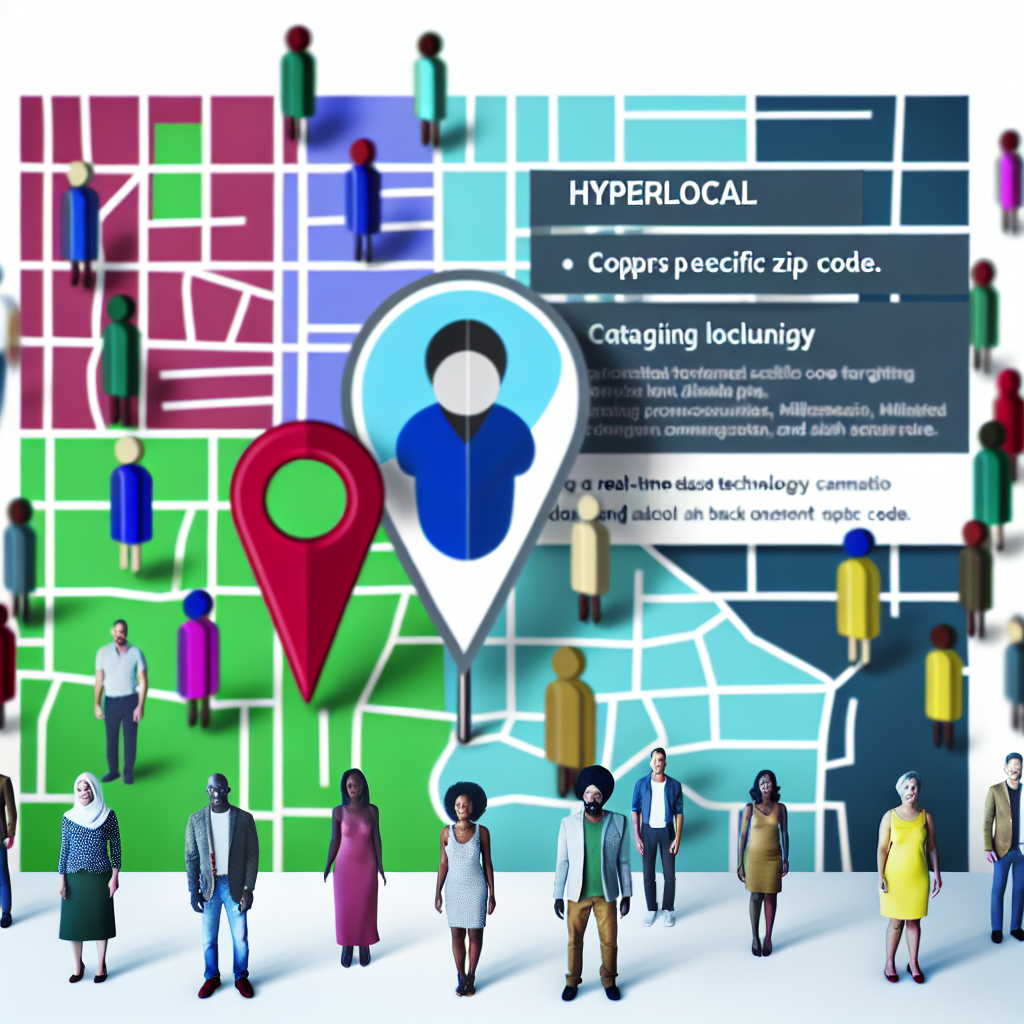
What if your next best customer isn’t just in your city—but on your street?
That’s the powerful promise of hyperlocal marketing, a rapidly evolving digital strategy that’s redefining how companies engage with consumers. In today’s data-driven era, brands are zooming in—literally—on neighborhoods, streets, and communities to craft marketing campaigns that feel uniquely personal.
According to Google Trends, searches for “near me” have grown by more than 500% over the past five years. This surge is forcing businesses to focus less on broad demographics and more on the zip codes that surround them.
So, what exactly is hyperlocal marketing, and why is it becoming one of the top marketing trends across industries and regions?
Hyperlocal Marketing Strategies: Table of Contents
- 1. What is Hyperlocal Marketing?
- 2. Why Is Hyperlocal Marketing Trending Now?
- 3. Industries Leading in Hyperlocal Innovation
- 4. Local Legends: Hyperlocal Marketing in Action
- 5. Fresh Ideas to Boost Your Zip Code Strategy
- 6. Cultural Influence and Consumer Shifts
- 7. Latest Tools, Data, and Technologies
- 8. Final Takeaways
1. What is Hyperlocal Marketing?
Hyperlocal marketing refers to the strategy of targeting customers in a very specific, geographically limited area—often down to neighborhoods, blocks, or even individual zip codes. The goal is to reach consumers with highly relevant messaging that resonates where they live, shop, and interact.
Unlike traditional local marketing that might focus on an entire city or state, hyperlocal marketing hones in on community-level needs, preferences, and behaviors, customizing content and campaigns in ways that feel profoundly local.
At its core, this strategy capitalizes on real-time data and location-based technology such as GPS, mobile geofencing, and localized search ads to increase foot traffic, enhance digital visibility, and build stronger brand loyalty among local audiences.
2. Why Is Hyperlocal Marketing Trending Now?
Several converging forces have made hyperlocal marketing a diamond in today’s digital landscape:
- Post-Pandemic Behavior Shifts: Consumers are exploring their immediate surroundings more than ever. From supporting local artisans to choosing neighborhood services, community-centric behavior is peaking.
- Technological Advancements: GPS, 5G, and real-time analytics enable businesses to launch and measure campaigns within micro-markets with unprecedented accuracy.
- Mobile Dominance: Over 60% of U.S. web traffic now comes from mobile devices, with most consumers using smartphones to conduct local business searches.
- Google’s Local Search Evolution: Features like Google My Business, local service ads, and neighborhood-specific results are giving preferential placement to zip code-focused marketing strategies.
- Zero-Party and First-Party Data Surge: As third-party cookies fade, location-specific first-party data collected ethically from users is becoming gold for marketers.
3. Industries Leading in Hyperlocal Innovation
E-Commerce
Even mega e-retailers are getting local. Amazon’s integration of local warehousing and regional ads lets them promise same-day delivery for specific zip codes. Meanwhile, smaller e-commerce brands are geotargeting communities with location-specific promotions and pop-up campaigns.
Healthcare
Health systems and clinics are using hyperlocal marketing to promote vaccination drives, mental wellness resources, and chronic care initiatives tailored to neighborhood-specific data. Zip-code-driven health disparities are influencing customized ad copy and outreach models.
Real Estate
Hyperlocal ads are game-changers in real estate. Realtors are using dynamic Facebook and Google Ads targeting users by neighborhood to highlight property listings, school rankings, and market conditions unique to that area.
Food and Beverage
From DoorDash to independent restaurants, hyperlocal campaigns promote limited-time offers or community events within a few-block radius. Urban eateries are also leveraging geo-fencing for push notifications during peak hours.
Finance
Banks and credit unions are getting granular with their outreach—presenting unique savings plans or small-business loan offers based on local economic patterns and community business trends. Hyper-personalization at zip code level boosts trust and conversion.
4. Local Legends: Hyperlocal Marketing in Action
Case Study 1: Starbucks’ Community Connect
Starbucks launched its “Community Store” initiative to expand into underserved areas using hyperlocal data to guide location selection, hiring policies, and product offerings. Each store acts as a neighborhood hub, offering community-specific events and products.
Case Study 2: Nextdoor & Home Services
Home service platforms like Porch and TaskRabbit harness the neighborhood-based social network Nextdoor for hyperlocalized promotions. By sponsoring posts within local feeds, they build trust and drive leads from residents looking for services within their very own blocks.
Case Study 3: CVS Health Zip Code Campaigns
CVS ran hyperlocal flu shot outreach in zip codes with historically low vaccination rates. Using first-party data and Google Ads, the campaign targeted mobile users with location-specific messaging, resulting in a 32% jump in local clinic visitation rates.
Case Study 4: Lyft’s “Know Your Block” Branding
In select U.S. cities, Lyft’s regional branding campaigns included murals, route wraps, and in-app maps tailored to local culture and landmarks. This reinforced Lyft as not just a service—but part of the local identity.
5. Fresh Ideas to Boost Your Zip Code Strategy
- Geofenced Flash Deals: Trigger instant mobile promotions when users enter a defined service area.
- Localized Email Segments: Break email lists into zip-code-specific groups to send community event invites or neighborhood updates.
- Neighborhood-Based SEO: Optimize site pages with hyperlocal keywords such as “best vegan bakery in 10011” or “rooftop bars near Mission District.”
- Zip Code Video Testimonials: Source user-generated content or client reviews from local customers to build authenticity.
- Map-Based Landing Pages: Create landing pages featuring neighborhood maps, landmarks, and custom offers by zip code.
6. Cultural Influence and Consumer Shifts
Hyperlocal marketing is thriving on a wave of modern localism—a growing desire among consumers to feel connected to their community. This is especially true among Gen Z and Millennial audiences who value authenticity, small business support, and community engagement.
In cities like Portland, Austin, and Brooklyn, campaigns that use localized slang or cultural references dramatically outperform generic messaging. Meanwhile, in suburban markets, emphasis on school maps, park proximity, and safety ratings appeals to family-oriented buyers.
On a global scale, countries like India and Brazil are seeing hyperlocal marketing fuel digital inclusion in previously hard-to-reach micro-markets. Language, dialects, and regional customs are all shaping hyper-targeted ad creation.
7. Latest Tools, Data, and Technologies
- GeoIQ: Offers real-time foot traffic analysis for businesses targeting urban areas.
- Foursquare Attribution: Ties digital ads to real-world visits to assess hyperlocal ad effectiveness.
- Google Performance Max with Local Extensions: Combines machine learning with zip code-specific targeting.
- Facebook Neighborhood Ads: Targets users living in or frequently visiting specific neighborhoods.
- Yext & Moz Local: Powerful for managing listings and boosting hyperlocal SEO rankings.
Recent Stats to Know:
- 72% of consumers who conduct a local search visit a store within 5 miles (Google, 2023)
- 80% of smartphone users trust brands that offer hyper-relevant ads (Think with Google)
- Hyperlocal targeting increases mobile engagement by up to 3x compared to national campaigns (BrightLocal)
8. Final Takeaways
Hyperlocal marketing is more than a buzzword—it’s a geographic transformation of the entire customer journey. Whether you’re a multi-national retailer or a growing startup, focusing on the streets, people, and stories within a zip code could be your next strategic advantage.
The brands that win in 2025 and beyond will be the ones that speak their customers’ language—not in generalities, but down to their neighborhoods and block parties.
Next week on CompaniesByZipcode.com, we’ll explore how first-party data collection is empowering privacy-first personalization strategies—another seismic shift in the marketing universe.
To stay ahead, start thinking smaller—zip code smaller. Because in today’s world, the closer your message is to home, the farther your impact can go.
