


- Home
- Business Services
- Blog
- Contact Us
Essential Warning Signs Your Water Heater Is Failing: What to Look For
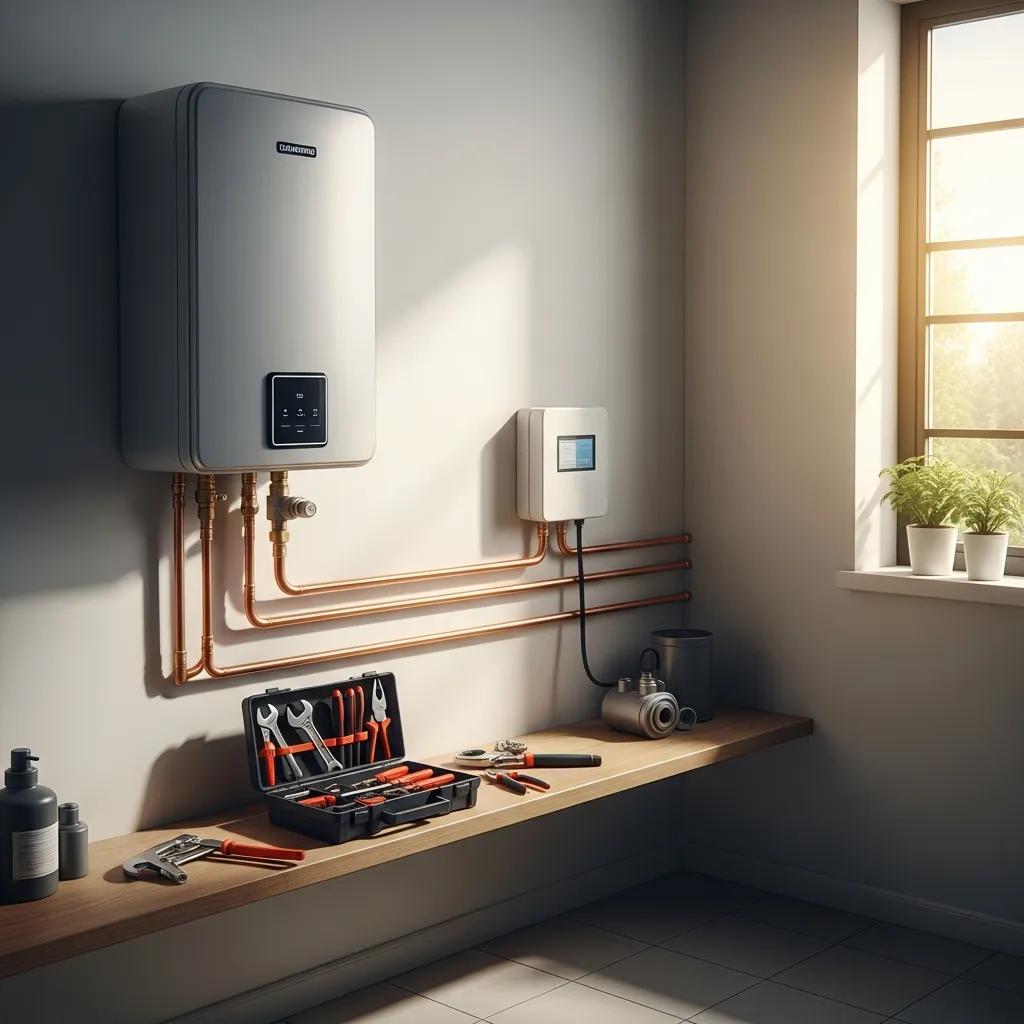
Essential Warning Signs Your Water Heater Is Failing: What to Look For to Protect Your Home
Water heaters are essential appliances in any home, providing hot water for showers, dishwashing, and laundry. Recognizing the warning signs of a failing water heater can save homeowners from costly repairs and potential water damage. This article will guide you through the most common indicators that your water heater may be on the verge of failure, helping you protect your home and ensure your hot water supply remains uninterrupted. We will explore various symptoms, including leaks, strange noises, discolored water, and inconsistent temperatures, along with practical troubleshooting tips. Additionally, we will discuss the importance of considering your water heater’s age and rising energy bills as potential red flags.
What Are the Most Common Signs of a Leaking Water Heater?
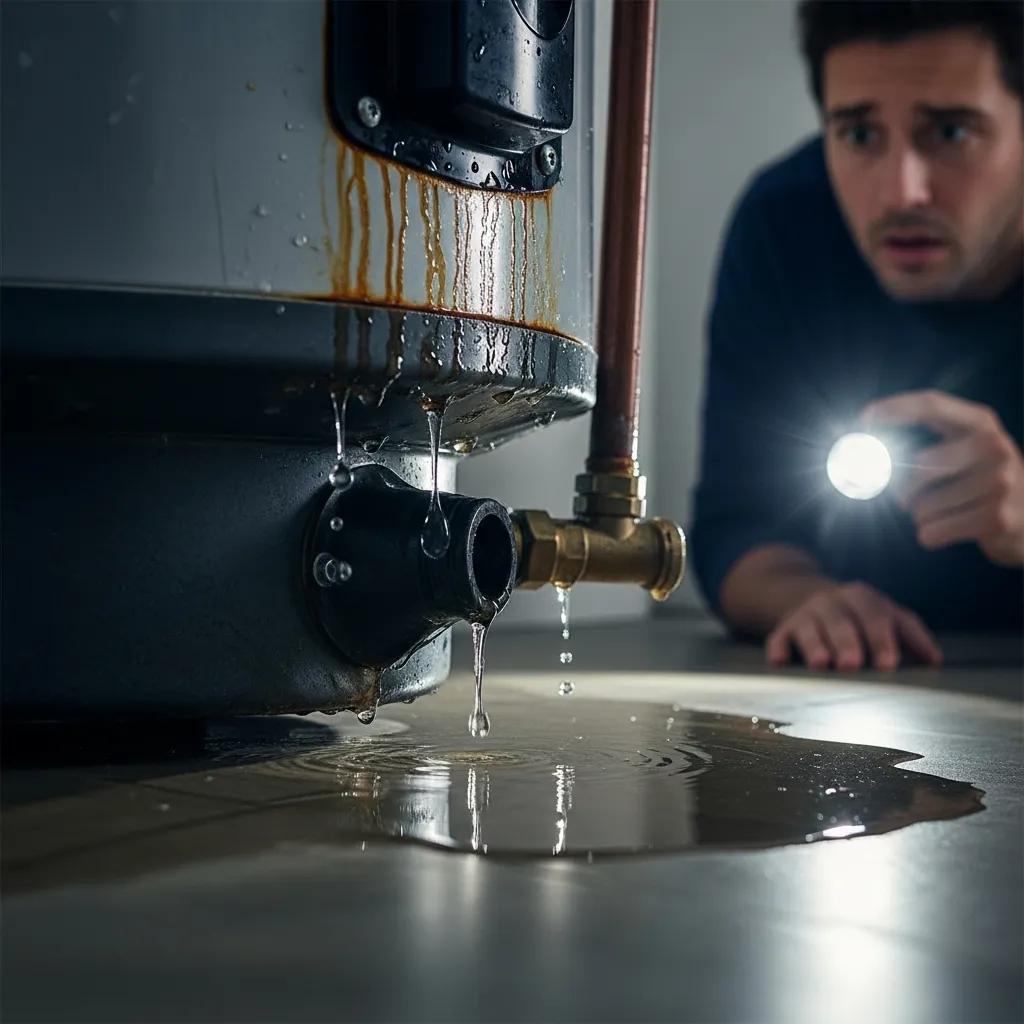
One of the most alarming signs of a failing water heater is the presence of leaks. Water heater leaks can stem from various issues, including tank corrosion or problems with the temperature and pressure relief valve. Identifying these leaks early is crucial to prevent extensive water damage and mold growth in your home.
How Do Leaks Indicate Tank Corrosion or Pressure Valve Issues?
Leaks often indicate that the tank is corroding or that the temperature and pressure relief valve is malfunctioning. Over time, minerals in the water can cause the tank’s interior to corrode, leading to small holes that allow water to escape. Similarly, a faulty temperature and pressure relief valve can fail to regulate the tank’s internal pressure, resulting in leaks. Regular inspections can help identify these issues before they escalate.
What Risks Do Water Heater Leaks Pose to Your Home?
Ignoring water heater leaks can lead to significant risks, including water damage to your floors, walls, and personal belongings. Additionally, prolonged exposure to moisture can create an environment conducive to mold growth, posing health risks to your family. If you notice any signs of leakage, it is essential to address the issue promptly to mitigate these risks.
Why Is My Water Heater Making Strange Noises Like Banging or Rumbling?
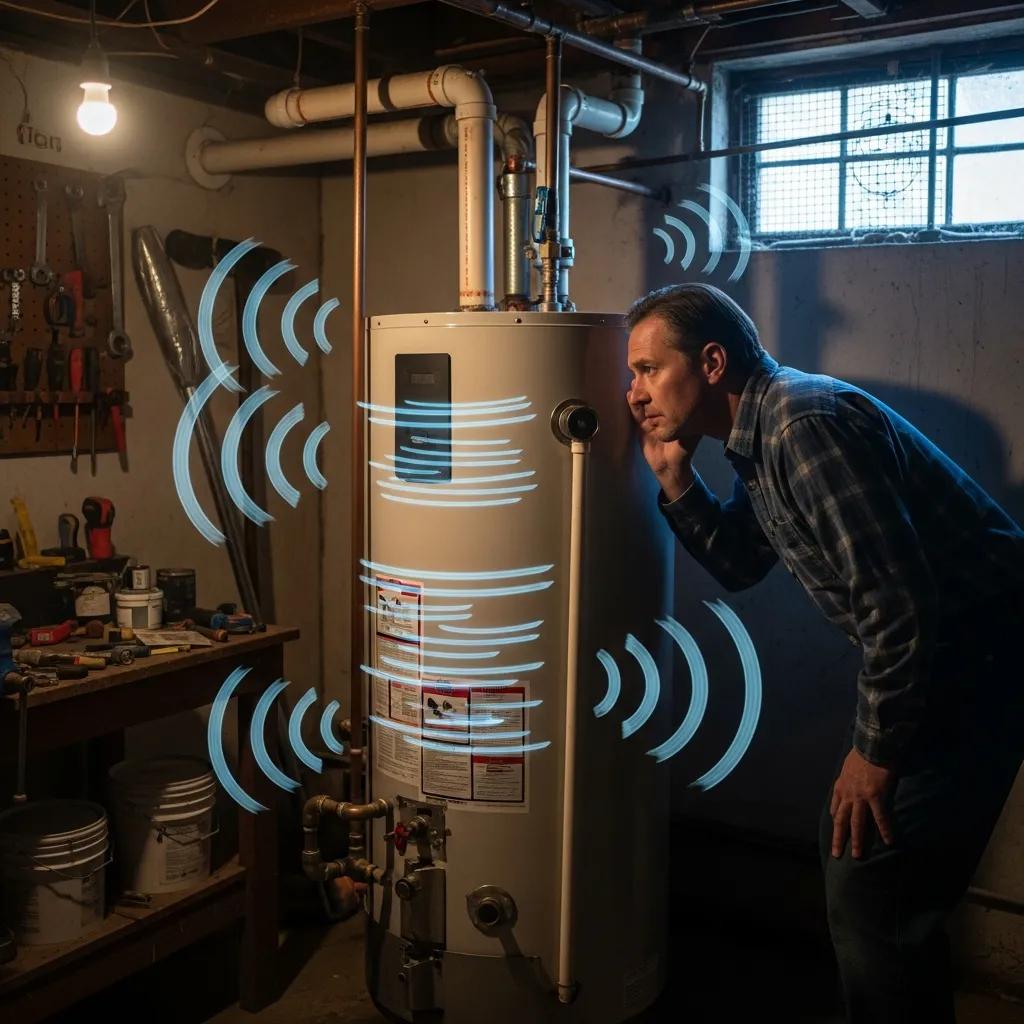
Strange noises from your water heater, such as banging or rumbling, can indicate underlying issues that require attention. These sounds often result from sediment buildup within the tank, which can affect the heater’s efficiency and lifespan.
How Does Sediment Buildup Cause Noises in Water Heaters?
Sediment buildup occurs when minerals in the water settle at the bottom of the tank. As the heater operates, the sediment can create pockets of steam that cause banging noises as they escape. This buildup not only leads to noise but can also reduce the heater’s efficiency, making it work harder to heat water.
What Maintenance Can Reduce Water Heater Noise and Improve Efficiency?
To reduce noise and improve efficiency, regular maintenance is essential. Flushing the tank annually can help remove sediment buildup, while checking the anode rod can prevent corrosion. Homeowners should also ensure that the temperature setting is appropriate, typically around 120°F (49°C), as excessively high temperatures can exacerbate noise issues.
What Causes Rusty or Discolored Hot Water and What Does It Mean?
Rusty or discolored hot water is another warning sign that your water heater may be failing. This discoloration can indicate corrosion within the tank or issues with the anode rod.
How Does Anode Rod Failure Lead to Discolored Water?
The anode rod is designed to prevent corrosion by attracting corrosive elements in the water. When the anode rod fails, the tank can corrode, leading to rusty water. Regularly inspecting and replacing the anode rod can help maintain water quality and extend the life of your water heater.
When Does Rusty Water Signal the Need for Water Heater Replacement?
If rusty water persists even after replacing the anode rod, it may indicate that the tank is corroded beyond repair. In such cases, it is advisable to consider replacing the water heater to ensure safe and clean hot water supply.
How Can You Troubleshoot No Hot Water or Inconsistent Temperatures?
Experiencing no hot water or inconsistent temperatures can be frustrating. Several factors can contribute to these issues, including heating element failures or thermostat malfunctions.
What Heating Element or Thermostat Issues Affect Hot Water Supply?
In electric water heaters, a faulty heating element can prevent the tank from heating water effectively. Similarly, a malfunctioning thermostat may not accurately regulate the water temperature, leading to inconsistent hot water supply. Testing these components can help identify the root cause of the problem.
How Does Sediment Impact Water Heater Performance and Temperature?
Sediment buildup can also affect the performance of your water heater, leading to inconsistent temperatures. As sediment accumulates, it can insulate the heating element, making it less effective. Regular maintenance, including flushing the tank, can help prevent these issues and ensure consistent hot water availability.
When Should You Consider Your Water Heater’s Age as a Warning Sign?
The age of your water heater is a critical factor in its performance and reliability. Most traditional tank water heaters have a lifespan of about 8-12 years, while tankless models can last longer.
What Is the Typical Lifespan of Traditional and Tankless Water Heaters?
Traditional tank water heaters typically last between 8 to 12 years, while tankless models can last up to 20 years with proper maintenance. As your water heater approaches the end of its lifespan, it is essential to monitor its performance closely for any signs of failure.
How Does Age Affect Efficiency and Repair Needs in Water Heaters?
As water heaters age, they often become less efficient and require more frequent repairs. Homeowners should consider replacing their water heater if it is nearing the end of its lifespan and exhibiting signs of failure, as this can save money on energy bills and repair costs in the long run.
How Do Rising Energy Bills Indicate Water Heater Efficiency Problems?
Rising energy bills can be a clear indicator that your water heater is not operating efficiently. Several factors can contribute to increased energy consumption, including sediment buildup and aging components.
What Causes Increased Energy Consumption in Failing Water Heaters?
Failing water heaters often require more energy to heat water due to inefficiencies caused by sediment buildup or worn-out heating elements. Homeowners should monitor their energy bills and investigate any significant increases, as this may signal the need for repairs or replacement.
What Solutions Can Lower Energy Costs Related to Water Heater Issues?
To lower energy costs, homeowners can consider regular maintenance, such as flushing the tank and checking the anode rod. Upgrading to a more energy-efficient model can also significantly reduce energy consumption and costs over time.
| Warning Sign | Possible Cause | Recommended Action |
|---|---|---|
| Leaks | Tank corrosion or temperature and pressure relief valve issues | Inspect and repair or replace |
| Strange noises | Sediment buildup | Flush the tank and check components |
| Rusty water | Anode rod failure | Replace anode rod and inspect tank |
| No hot water | Heating element or thermostat failure | Test and replace faulty components |
| Rising energy bills | Inefficiency due to age or sediment | Regular maintenance and consider replacement |
In conclusion, being aware of the essential warning signs of a failing water heater can help homeowners take proactive measures to protect their homes. Regular maintenance and timely repairs can extend the life of your water heater and ensure a reliable hot water supply.
If you notice any of these warning signs, consider contacting a professional plumbing service like RC Szabo Plumbing & Sewer, which offers comprehensive plumbing services, including water heater installation and repairs, to address your needs effectively.
