

- Home
- Business Services
- Blog
- Contact Us
Energy Efficiency and Modern Boiler Systems: How Upgrading Saves Money
- Business
- Industry
-
Feb 11
- Share post
Energy Efficiency and Modern Boiler Systems: How Upgrading Saves Money with High Efficiency Boiler Benefits
Upgrading to a modern energy-efficient boiler system can significantly reduce heating costs while enhancing home comfort. This article explores the various benefits of modern boiler systems, including their energy efficiency, environmental impact, and potential savings on heating bills. Many homeowners are unaware of the substantial financial and ecological advantages that come with upgrading their heating systems. By understanding how modern boilers operate and the savings they can provide, homeowners can make informed decisions that lead to long-term benefits. We will delve into the reasons for upgrading, the key features of modern boilers, the types available, installation costs, financing options, and how to find certified local experts for installation.
Why Should You Upgrade to a Modern Energy Efficient Boiler System?
Upgrading to a modern energy-efficient boiler system is essential for homeowners looking to save on heating costs and reduce their environmental footprint. These systems utilize advanced technology to maximize energy use, resulting in lower utility bills and a smaller carbon footprint. The transition to high-efficiency boilers not only enhances comfort but also contributes to sustainability efforts by reducing greenhouse gas emissions.
How Much Can You Save on Heating Bills with a Boiler Upgrade?
Homeowners can expect to save between 10% to 30% on their heating bills by upgrading to a modern boiler system. For instance, if your current heating bill is $1,500 annually, a 20% savings could equate to $300 each year. This reduction in costs can accumulate significantly over time, making the investment in a new boiler financially advantageous.
What Are the Environmental Benefits of High Efficiency Boilers?
High-efficiency boilers contribute to environmental sustainability by reducing carbon emissions and conserving energy. These systems are designed to operate at higher efficiency levels, which means they use less fuel to produce the same amount of heat. This efficiency leads to a decrease in the overall carbon footprint of a household, supporting global efforts to combat climate change.
What Are the Key Features of Modern Condensing and Energy Efficient Boilers?
Modern condensing boilers are equipped with advanced features that enhance their efficiency and performance. These features include condensing technology, which captures and reuses heat that would otherwise be lost, and smart controls that optimize energy use based on real-time demand.
How Do Condensing Boilers Improve Energy Efficiency?
Condensing boilers improve energy efficiency by utilizing a heat exchanger that captures exhaust gases and recycles heat back into the system. This process allows the boiler to achieve efficiency ratings of up to 98%, significantly reducing fuel consumption and operational costs.
What Is the Importance of AFUE Ratings in Boiler Performance?
The Annual Fuel Utilization Efficiency (AFUE) rating is crucial in determining a boiler’s efficiency. A higher AFUE rating indicates a more efficient boiler, meaning it converts a greater percentage of fuel into usable heat. For example, a boiler with an AFUE of 95% converts 95% of the fuel it uses into heat, making it a cost-effective choice for homeowners.
Which Types of Modern Boilers Are Best for Your Home Heating Needs?
Choosing the right type of modern boiler is essential for maximizing efficiency and comfort in your home. The most common types include combi boilers, system boilers, and regular boilers, each offering unique advantages depending on your heating needs.
What Are the Advantages of Combi Boilers Compared to System and Regular Boilers?
Combi boilers are highly efficient and space-saving, as they provide both heating and hot water on demand without the need for a separate water tank. This feature makes them ideal for smaller homes or apartments where space is limited. Additionally, they eliminate the need for a hot water cylinder, further saving space and installation costs.
How Do Electric Boilers Offer a Green Alternative for Energy Efficient Heating?
Electric boilers are an environmentally friendly option, especially when powered by renewable energy sources. They produce zero emissions at the point of use, making them a clean alternative to traditional gas or oil boilers. Furthermore, electric boilers can be integrated with solar panels or other renewable energy systems, enhancing their sustainability.
How Much Does New Boiler Installation Cost and What Is the Return on Investment?
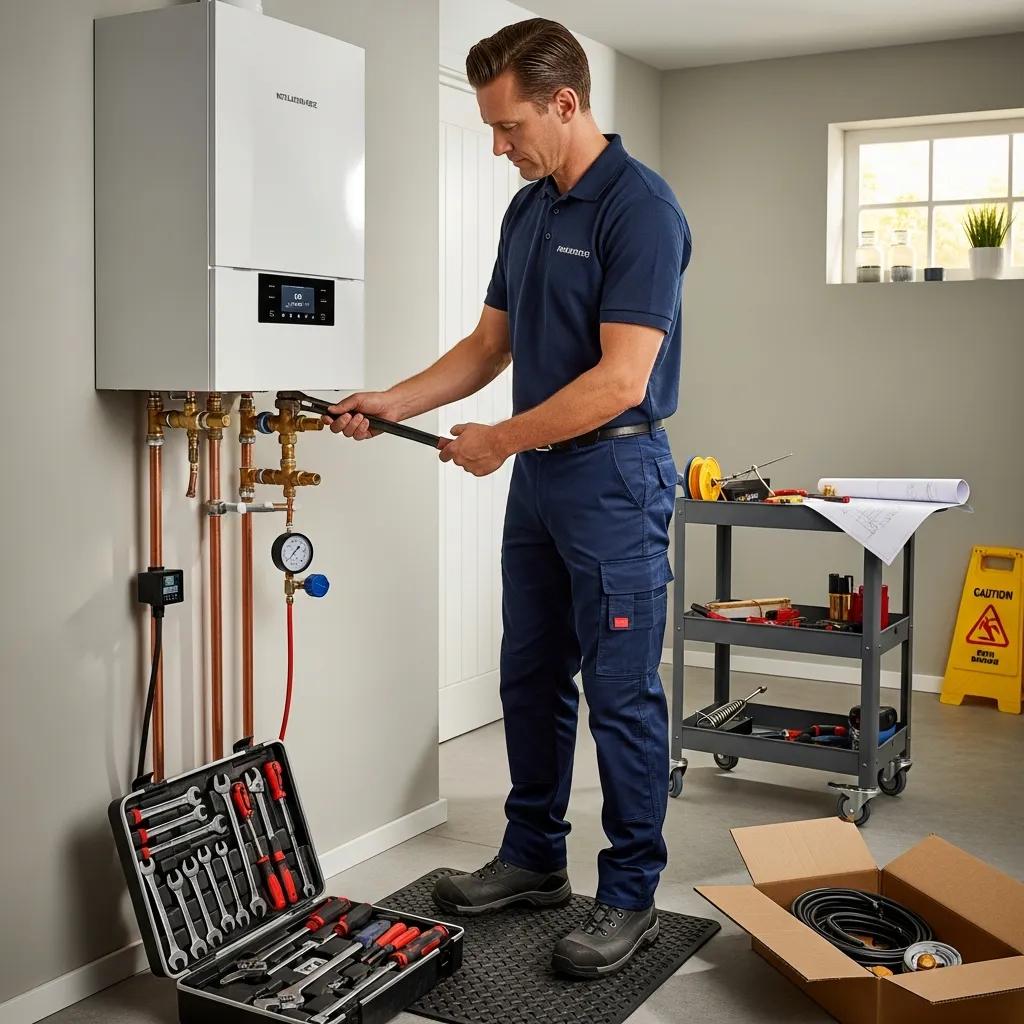
The cost of installing a new boiler can vary significantly based on the type of boiler, installation complexity, and local labor rates. On average, homeowners in the United States can expect to pay between $4,000 and $7,500 for a new boiler installation, including labor and materials.
What Factors Influence Boiler Upgrade Costs and Installation Expenses?
Several factors influence the overall cost of a boiler upgrade, including the type of boiler selected, the complexity of the installation, and any necessary modifications to existing plumbing or electrical systems. Additionally, local market conditions and labor rates can impact installation expenses.
How Can You Calculate Your Boiler Replacement ROI and Long-Term Savings?
To calculate the return on investment (ROI) for a boiler replacement, consider the initial installation cost, annual savings on heating bills, and the expected lifespan of the new boiler. For example, if a new boiler costs $5,000 and saves $500 annually, the ROI can be calculated as follows:
- Total Savings Over Lifespan: $500 x 15 years = $7,500
- ROI: ($7,500 – $5,000) / $5,000 = 0.5 or 50%
This calculation demonstrates that upgrading to a modern boiler can yield significant long-term savings.
What Financing Options and Local Incentives Are Available for Boiler Upgrades?
Homeowners considering a boiler upgrade may benefit from various financing options and local incentives designed to reduce upfront costs. Many utility companies and government programs offer rebates and grants for energy-efficient upgrades.
Which Government Grants and Rebates Can Help Reduce Boiler Upgrade Costs?
Government grants and rebates can significantly offset the cost of a new boiler. Programs vary by location but often include incentives for installing high-efficiency systems. Homeowners should check with local energy providers and government websites to find available programs.
How Does Companies By Zip Code Connect You to Local Boiler Installers and Financing?
Companies By Zip Code operates as a local directory and lead generation platform, connecting individuals with local businesses, services, jobs, and financing options. This platform can help homeowners find certified boiler installers and explore financing options tailored to their needs, ensuring a smooth upgrade process.
How to Find Certified Local Experts for Energy Efficient Boiler Installation?

Finding certified local experts for boiler installation is crucial for ensuring a successful upgrade. Homeowners should look for professionals with relevant certifications and positive customer reviews.
What Should You Look for When Choosing a Local Boiler Installer?
When selecting a local boiler installer, consider their certifications, experience, and customer feedback. A qualified installer should have the necessary licenses and training to ensure the installation meets safety and efficiency standards.
How Does Using a Local Business Directory Enhance Your Boiler Upgrade Experience?
Using a local business directory, such as Companies By Zip Code, simplifies the process of finding reputable boiler installers. These directories provide access to verified professionals, customer reviews, and detailed service offerings, making it easier for homeowners to make informed decisions about their boiler upgrades.