

- Home
- Business Services
- Blog
- Contact Us
Complete Guide to Sewer Line Repair and Replacement
Complete Guide to Sewer Line Repair and Replacement: Costs, Methods, and How to Find Local Pros
Sewer line problems can cause major property damage and health risks if they’re ignored. Knowing the warning signs, common causes, and repair options helps homeowners act quickly and avoid bigger bills—especially when following EPA guidance on sewer overflows. This guide walks through practical information about sewer line repair and replacement: typical costs, repair methods, inspection approaches, and how to find a reputable local plumbing company. If you’re dealing with slow drains, persistent odors, or a sewage backup, this overview will help you understand whether you need professional drain and sewer services or a more extensive sewer line repair.
Common Signs of Sewer Line Damage and When to Consider Sewer Line Repair
Spotting sewer line trouble early can prevent costly repairs and health hazards. Typical signs include persistently slow drains, strong sewage smells, and pests around wet areas. These symptoms often mean you’ll need professional drain cleaning or, in more serious cases, full sewer line repair.
Slow Drains and Bad Odors: Key Indicators for Sewer Line Repair
Slow-draining sinks, bathtubs, or toilets usually point to a blockage or pipe damage. When wastewater can’t flow, it can back up into fixtures. Foul odors are another red flag—leaks or trapped waste let smells escape. If these problems persist, schedule a professional inspection; you may need targeted sewer line cleaning or a comprehensive repair.
Environmental and Pest Issues Signaling Sewer Line Damage
Unexplained wet patches in the yard or unusually green, soggy spots of grass can mean a leaking sewer line. Moisture and waste also attract rodents and insects. Keep an eye on your property for these signs and call a pro if you notice anything unusual that could indicate a sewer leak or other damage requiring repair.
Causes of Sewer Line Damage and Prevention for Sewer Line Repair
Knowing what commonly damages sewer lines helps you prevent problems and reduce the chance of major repairs. Tree roots, aging pipes, and ground movement are frequent causes. Regular sewer maintenance and preventive drain cleaning can extend pipe life and catch issues early.
Tree Roots and Ground Movement: Impact on Sewer Line Repair Needs
Tree roots search out moisture and can invade joints or cracks in sewer pipes, causing blockages and breaks—research from horticultural experts highlights the importance of proper tree placement. Ground settling or seismic shifts can also crack or misalign pipes. Plant trees away from sewer lines, and inspect your system periodically for signs of root intrusion or shifting that could require blockage removal or more extensive repair.
Corrosion and Pipe Age: Factors in Sewer Line Repair and Replacement
Older pipe materials—like cast iron or clay—are prone to corrosion and deterioration over time. As pipes age they can leak or collapse, often making repair impractical and replacement necessary. Know what your pipes are made of and talk with licensed plumbing professionals about replacement options that meet current plumbing code standards.
Diagnosing Sewer Line Damage: Inspection for Effective Sewer Line Repair
Accurate diagnosis uses specialized tools and techniques. Professionals will inspect your lines to pinpoint the issue and recommend the most cost-effective solution—often starting with a thorough drain cleaning service to rule out simple blockages.
Benefits of Sewer Camera Inspection for Accurate Sewer Line Repair
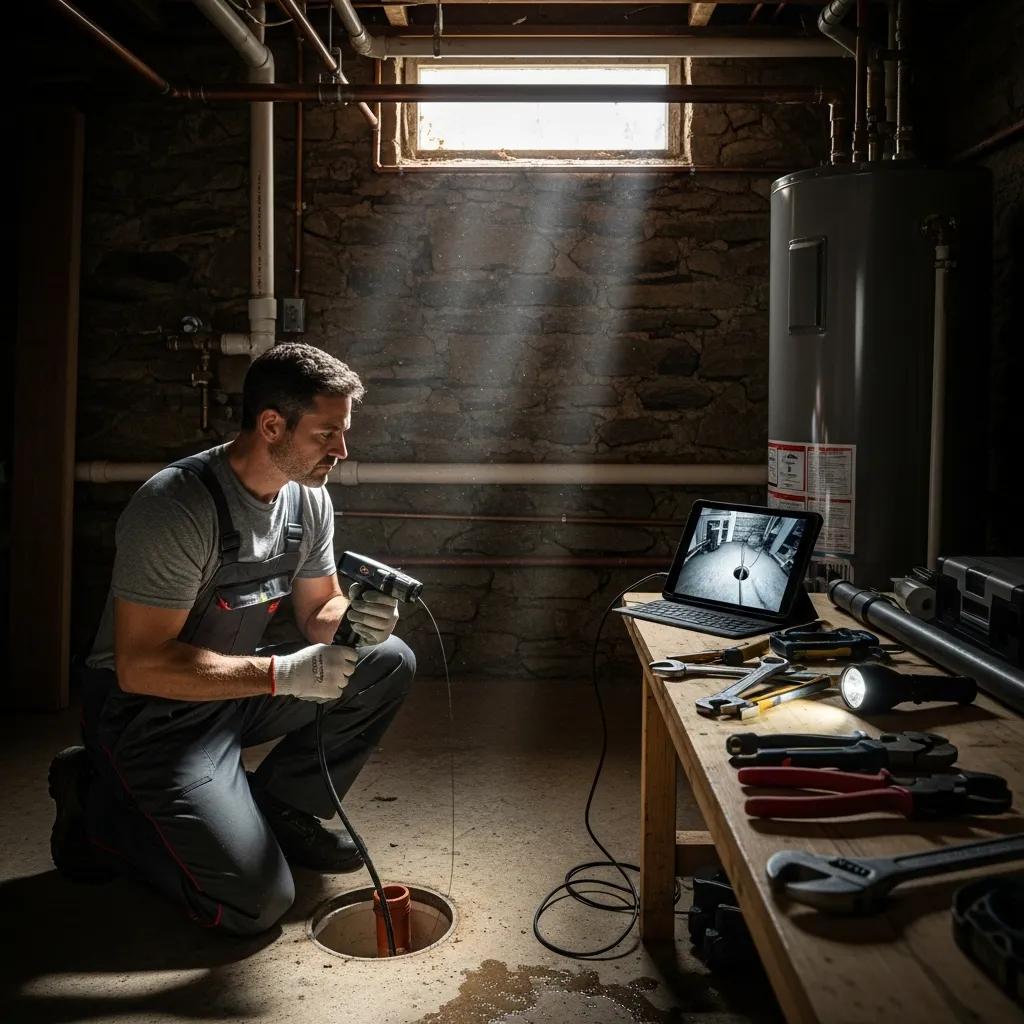
Sewer camera inspections are a noninvasive way to see inside pipes. A small camera on a flexible cable can locate clogs, cracks, and collapses without digging. This approach is precise, often less costly than exploratory excavation, and helps plan the right repair or replacement.
Determining Sewer Line Repair Versus Sewer Replacement Needs
Deciding between a repair and a full replacement depends on the damage extent, pipe age, and cost comparison. Minor breaks or isolated damage can often be repaired; widespread corrosion or repeated failures usually call for replacement. Consult experienced plumbers to weigh options and get an informed recommendation from trusted local experts.
What Are the Main Sewer Line Repair and Replacement Methods?
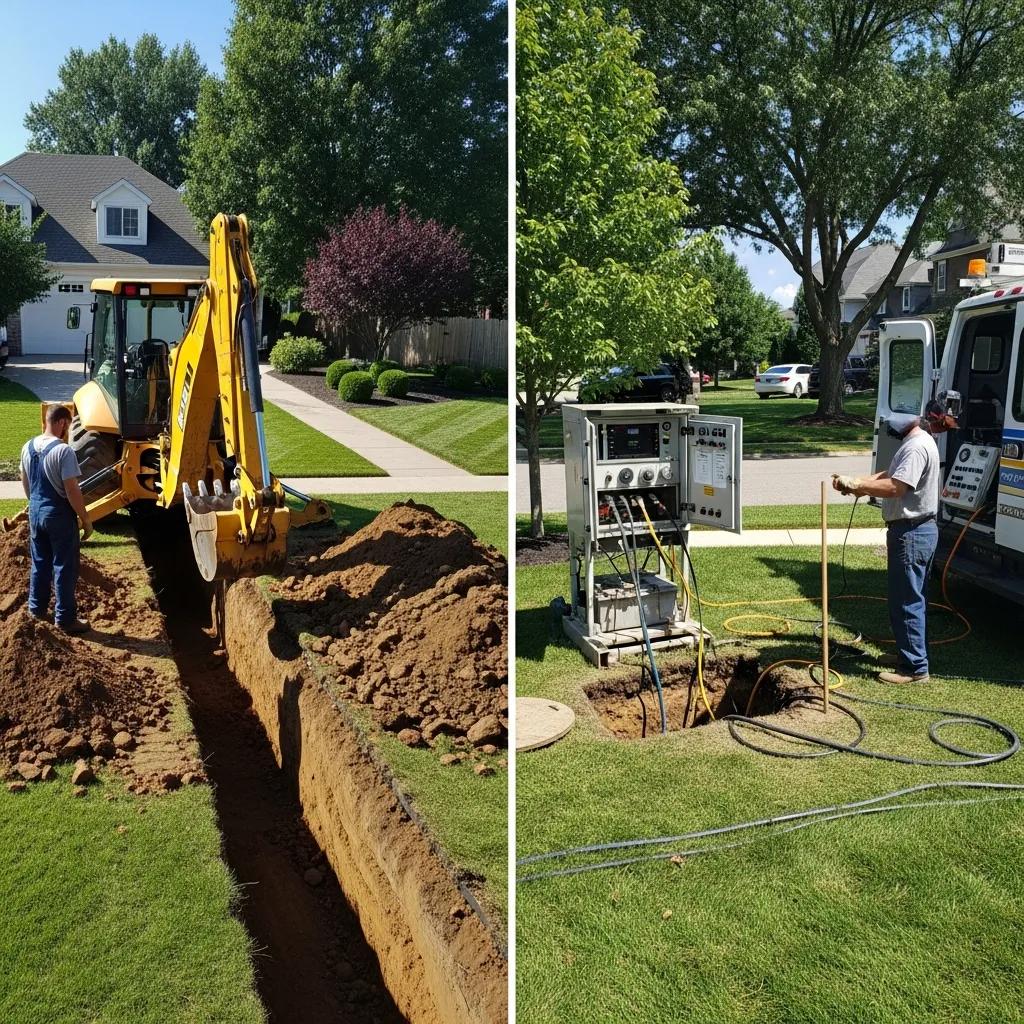
There are several ways to fix or replace a sewer line, each with trade-offs. Understanding the main methods helps homeowners choose what fits their property, budget, and disruption tolerance—from routine drain cleaning to a full sewer replacement.
How Does Traditional Excavation Compare to Trenchless Sewer Repair?
Traditional excavation requires digging along the pipe run to access and repair or replace it. It’s effective but can be disruptive and costly because of landscaping and paving repairs. Trenchless techniques let crews repair or renew pipes with minimal digging, cutting restoration time and expense. Weigh both approaches with your contractor based on site conditions and long-term cost.
Advantages of Pipe Lining and Pipe Bursting for Sewer Line Repair and Replacement
Pipe lining (CIPP) inserts a resin-saturated liner into the existing pipe, which cures to form a new, seamless pipe inside the old one—less invasive and good for many damage types. Pipe bursting breaks the old pipe while pulling a new one into place, effectively replacing the line with minimal surface impact. Both trenchless options often reduce downtime, cleanup, and restoration costs compared with full excavation, and they work well alongside routine preventive drain maintenance.
How Much Does Sewer Line Repair and Replacement Cost by Method and Location?
Repair and replacement costs vary widely by method, extent of damage, and local rates. National benchmarks like those from HomeAdvisor give a starting point, but local labor, permits, and restoration needs will affect your final price for services like sewer system cleaning or major repairs.
What Factors Affect Sewer Line Repair Costs?
Key cost drivers include the chosen repair method, how much of the pipe is damaged, site accessibility, and local labor and material prices. Trenchless repairs may cost more up front but often save money on landscaping and paving repairs. Get detailed estimates that break down method, materials, and restoration so you can compare options accurately.
Estimating Local Sewer Line Repair Costs by Zip Code
To estimate costs in your area, research local averages by zip code and request multiple quotes from nearby contractors. Comparing regional prices helps you spot fair offers for everything from clogged drain service to complete sewer line replacement.
How to Choose and Work with Local Sewer Line Repair Companies?
Picking the right plumber for sewer line repair or replacement affects quality, timeline, and peace of mind. Look for experienced, licensed, and insured contractors, and make sure they communicate clearly about scope, timeline, and cleanup.
Selecting a Plumbing Service for Sewer Line Repair and Replacement
When evaluating companies, check credentials, read customer reviews, and ask for references. Professional associations like the PHCC recommend verifying licensing and insurance and getting a written estimate. Choose a provider with a proven record of sewer repairs and replacements and a clear warranty on their work.
How Can Companies By Zip Code Help Connect You with Trusted Local Providers?
Companies By Zip Code helps homeowners find and compare local plumbing services. Use the platform to locate reputable contractors in your area, review ratings and services, and contact professionals who can handle sewer line repair or replacement tailored to your needs.