

- Home
- Business Services
- Blog
- Contact Us
Future of Automotive Diagnostics: Trends Transforming the Industry
- Business
-
Mar 31
- Share post
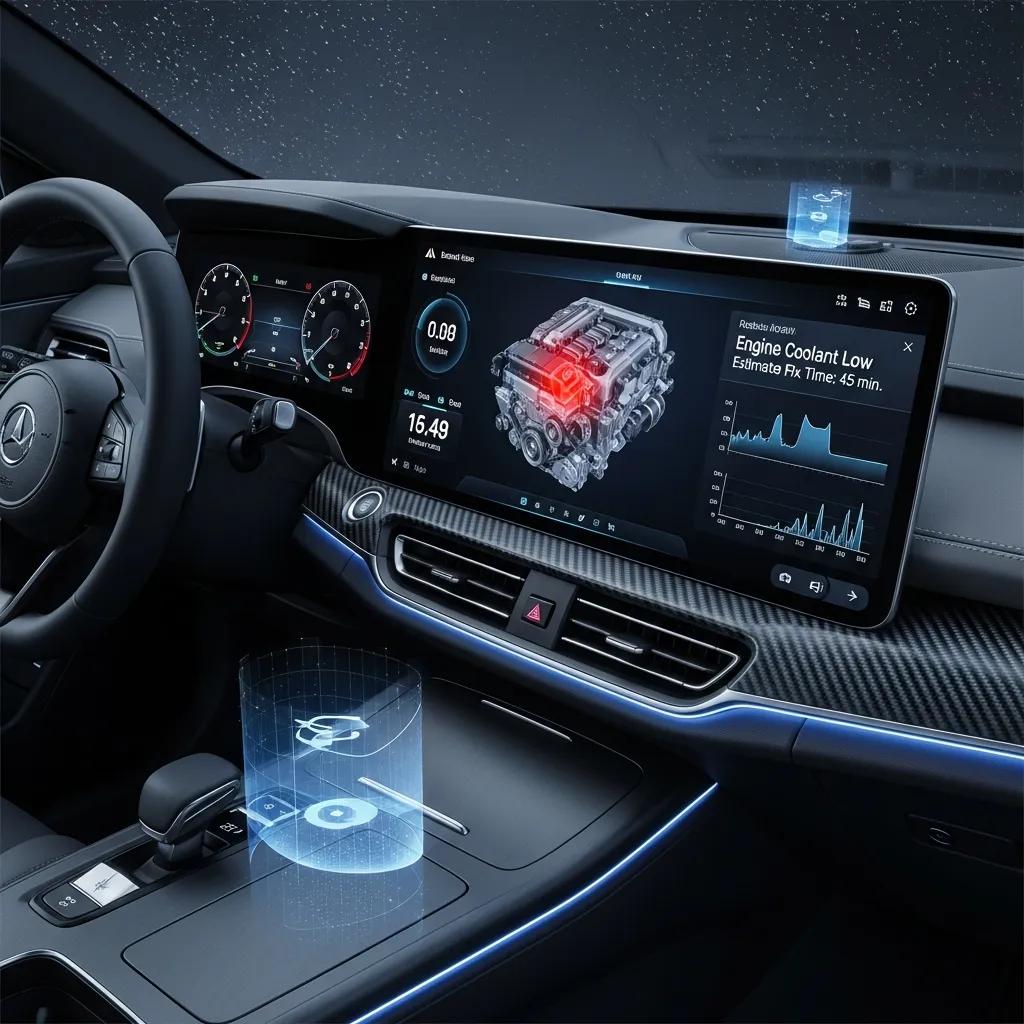
AI in Automotive Diagnostics: Exploring the Future of Predictive Maintenance and Connected Car Technologies
The automotive industry is undergoing a significant transformation, driven by advancements in artificial intelligence (AI) and connected technologies. This article delves into the future of automotive diagnostics, focusing on how AI is reshaping predictive maintenance and enhancing vehicle health monitoring. Readers will gain insights into the latest trends, the role of connected cars, and the unique challenges posed by electric vehicle diagnostics. As vehicles become increasingly complex, understanding these innovations is crucial for both consumers and industry professionals. This exploration will cover the impact of AI on diagnostics, the significance of connectivity in vehicle maintenance, the challenges of electric vehicle diagnostics, and the latest trends shaping the industry.
How is AI transforming automotive diagnostics and predictive maintenance?
AI is revolutionizing automotive diagnostics by enabling predictive maintenance, which anticipates vehicle issues before they become critical. This proactive approach leverages data analytics and machine learning algorithms to analyze vehicle performance and predict potential failures. By utilizing AI, automotive technicians can enhance diagnostic accuracy and reduce downtime, ultimately leading to improved vehicle health and safety. The integration of AI in diagnostics not only streamlines maintenance processes but also fosters a more efficient service experience for vehicle owners.
This transformative impact of AI on predictive maintenance is further highlighted by recent academic reviews.
AI-Driven Predictive Maintenance & Diagnostics in Automotive
Predictive maintenance has rapidly grown in automotive industries with the advancements in artificial intelligence (AI) technologies like machine learning, deep learning, and now generative AI. The amount of data extracted from machines with sensors and other network technologies can be valuable and useful for building advanced solutions in predictive maintenance tasks. This review examines AI applications in vehicle maintenance strategies and diagnostics to reduce costs, maintenance schedules, remaining useful life predictions, and effective monitoring of health conditions.
A comprehensive review on artificial intelligence driven predictive maintenance in vehicles: technologies, challenges and future research directions, Y Mahale, 2025
What benefits does predictive maintenance offer for vehicle health?
Predictive maintenance offers several key benefits for vehicle health:
- Cost Savings: By identifying issues before they escalate, predictive maintenance reduces repair costs and minimizes unexpected breakdowns.
- Increased Vehicle Lifespan: Regular monitoring and timely interventions help extend the life of critical components, ensuring vehicles remain operational for longer periods.
- Enhanced Safety: Proactive maintenance reduces the risk of accidents caused by mechanical failures, contributing to overall road safety.
These advantages highlight the importance of adopting predictive maintenance strategies in the automotive industry.
How do AI-powered diagnostic tools improve troubleshooting accuracy?
AI-powered diagnostic tools significantly enhance troubleshooting accuracy by utilizing advanced algorithms to analyze data from various vehicle sensors. Unlike traditional diagnostic methods, which often rely on manual inspections, AI tools can quickly process vast amounts of data to identify patterns and anomalies. This results in:
- Speed of Diagnosis: AI tools can diagnose issues in near real-time, allowing for quicker repairs and reduced vehicle downtime.
- Accuracy Improvements: By minimizing human error, AI tools provide more reliable diagnostics, leading to better-informed repair decisions.
- User Experience Enhancements: The integration of AI in diagnostics simplifies the process for technicians, enabling them to focus on complex repairs rather than routine checks.
The adoption of AI in diagnostics is transforming how automotive professionals approach vehicle maintenance.
What role do connected cars and remote diagnostics play in modern vehicle maintenance?

Connected cars are at the forefront of modern vehicle maintenance, enabling real-time data sharing between vehicles and service providers. This connectivity allows for remote diagnostics, which can identify issues without the need for a physical inspection. The benefits of connected cars include:
- Real-time Monitoring Benefits: Continuous data collection from vehicle sensors allows for immediate detection of potential issues, facilitating timely interventions.
- Telematics Advantages: Telematics systems provide insights into vehicle performance, helping owners make informed decisions about maintenance and repairs.
- Cloud-based Diagnostics: Cloud technology enables service providers to access vehicle data remotely, streamlining the diagnostic process and improving service efficiency.
These advancements underscore the importance of connectivity in enhancing vehicle maintenance practices.
How does IoT integration enable real-time vehicle health monitoring?
The Internet of Things (IoT) plays a crucial role in enabling real-time vehicle health monitoring. By integrating IoT devices into vehicles, manufacturers can collect and analyze data on various performance metrics. This integration allows for:
- Data Collection Methods: IoT sensors continuously gather data on engine performance, fuel efficiency, battery status (for EVs), and other critical parameters.
- Impact on Maintenance Schedules: Real-time data analysis helps service providers optimize maintenance schedules, ensuring that vehicles receive timely care based on actual performance rather than predetermined intervals.
IoT integration is transforming how vehicle health is monitored and maintained.
The synergy between IoT and machine learning is indeed paving the way for advanced real-time vehicle health insights.
IoT & ML for Real-time Vehicle Health Monitoring
This interdisciplinary orchestration of IoT and ML heralds a new era of our initiative endowing standardized real-time insights into the nuanced realms of vehicle health and performance.
Auto-shield: Iot based OBD application for car health monitoring, A More, 2024
What are the advantages of telematics and cloud-based diagnostic platforms?
Telematics and cloud-based diagnostic platforms offer several advantages for modern vehicle maintenance:
- Centralized Data Access: These platforms provide a single point of access for vehicle data, making it easier for technicians to analyze performance and diagnose issues.
- Improved Diagnostics: By leveraging cloud computing, diagnostic tools can utilize advanced algorithms to enhance accuracy and efficiency in identifying vehicle problems.
The integration of telematics and cloud technology is reshaping the landscape of automotive diagnostics.
What unique challenges and solutions exist in electric vehicle diagnostics?
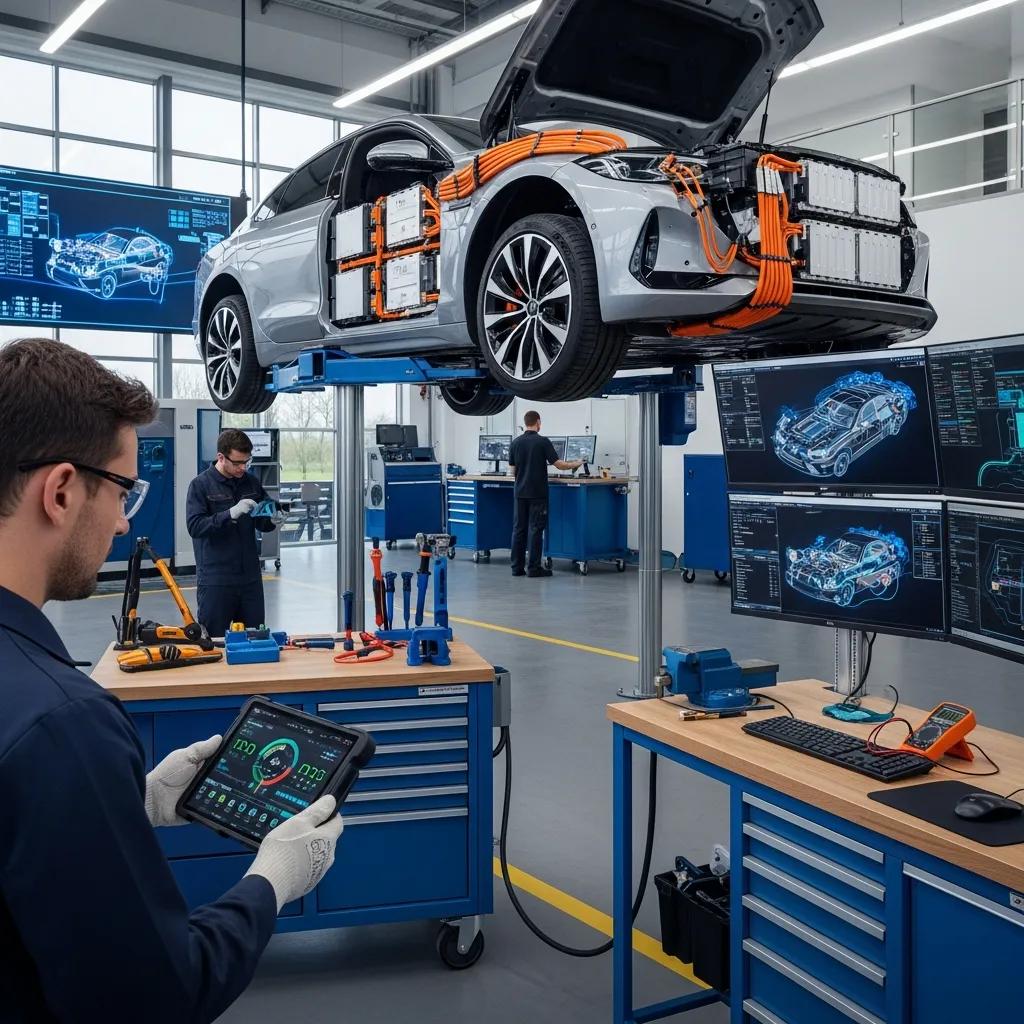
Electric vehicles (EVs) present unique challenges in diagnostics due to their complex systems and high-voltage components. Understanding these challenges is essential for effective maintenance and repair.
What are the main challenges in EV battery diagnostics and high-voltage safety?
The primary challenges in EV battery diagnostics include:
- Battery Degradation Issues: Over time, EV batteries experience capacity loss and performance degradation, making it essential to monitor their health regularly.
- High-voltage Safety Training: Technicians must be trained to handle high-voltage systems safely, as improper handling can lead to serious injury or damage.
Addressing these challenges is crucial for ensuring the safety and reliability of electric vehicles.
Which specialized tools and training support effective EV diagnostics?
To support effective EV diagnostics, specialized tools and training programs are essential. These include:
- Types of Diagnostic Tools: Advanced diagnostic equipment designed specifically for EVs can accurately assess battery health, state of charge, and performance.
- Training Resources Available: Ongoing training programs for technicians ensure they are equipped with the knowledge and skills needed to work on electric vehicles safely and effectively.
Investing in specialized tools and training is vital for the successful maintenance of electric vehicles.
How are advanced technologies like augmented reality and OTA updates shaping automotive diagnostics?
Advanced technologies such as augmented reality (AR) and over-the-air (OTA) updates are significantly influencing automotive diagnostics. These innovations enhance the efficiency and effectiveness of vehicle maintenance.
How does augmented reality assist mechanics in complex vehicle repairs?
Augmented reality provides mechanics with visual aids that enhance their understanding of complex vehicle systems. This technology allows for:
- AR Tools Available: Mechanics can use AR glasses or applications to overlay digital information onto physical components, guiding them through repairs.
- Benefits for Mechanics: By improving visualization, AR reduces the likelihood of errors and speeds up the repair process, ultimately leading to better service outcomes.
The integration of AR in automotive diagnostics is revolutionizing how repairs are conducted.
Why are over-the-air updates and cybersecurity critical for vehicle diagnostics?
Over-the-air updates are essential for maintaining the functionality and security of modern vehicles. These updates allow manufacturers to:
- Security Risks: Address vulnerabilities in vehicle software, protecting against potential cyber threats.
- Benefits of OTA Updates: Ensure that vehicles receive the latest features and improvements without requiring a visit to the service center.
The importance of cybersecurity and OTA updates cannot be overstated in the context of automotive diagnostics.
What are the latest automotive diagnostic technology trends impacting the industry?
The automotive diagnostic landscape is continuously evolving, with several key trends shaping the future of the industry.
How is machine learning enhancing fault pattern recognition in diagnostics?
Machine learning algorithms are increasingly being used to enhance fault pattern recognition in automotive diagnostics. These algorithms can:
- Pattern Recognition Techniques: Analyze historical and real-time data to identify common failure patterns, improving diagnostic accuracy.
- Impact on Diagnostics: Enable technicians to diagnose issues more quickly and accurately, reducing repair times and costs.
The application of machine learning in diagnostics is a game-changer for the automotive industry.
Research further supports the critical role of machine learning in anticipating and diagnosing vehicle faults using real-time data.
Machine Learning for Automotive Fault Prediction & Diagnostics
Predicting an impending error allows for preventative measures or actions which might mitigate the effects of the error. Modern vehicles generate data in the form of sensor readings accessible through the vehicle’s Controller Area Network (CAN). Such data is generally too extensive to aid in analysis and decision making unless machine learning-based methods are used. This paper proposes a method utilizing a recurrent neural network (RNN) to predict an impending fault before it occurs through the use of CAN data.
Fault diagnosis and prediction in automotive systems with real-time data using machine learning, C Mollan, 2022
What market growth and adoption trends are driving diagnostic innovations?
The automotive diagnostics market is experiencing significant growth, driven by several factors:
- Market Growth Statistics: The increasing complexity of vehicles and the demand for advanced diagnostic solutions are propelling market expansion, with the global automotive diagnostics market projected to grow at a compound annual growth rate (CAGR) of around 7-8% through the mid-2020s.
- Future Projections: As technology continues to advance, the adoption of AI and connected solutions in diagnostics is expected to rise, further transforming the industry.
These trends indicate a promising future for automotive diagnostics, with innovations poised to enhance vehicle maintenance and safety.