


- Home
- Business Services
- Blog
- Contact Us
Inventory Management for Small Businesses | Stock Control and Efficiency
- Uncategorized
- Apr 28
- Share post
Inventory Management for Small Businesses: Effective Stock Control and Efficiency Strategies
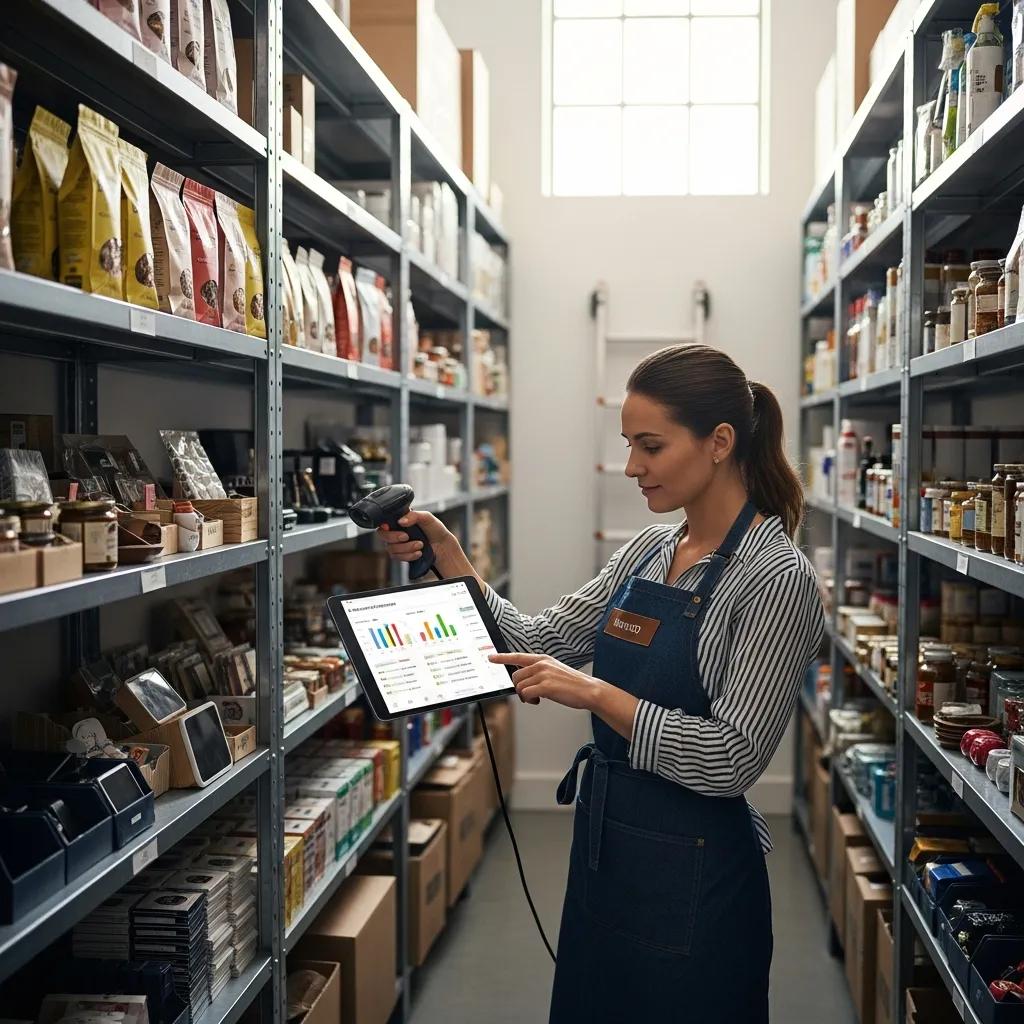
Inventory management is a critical aspect of running a successful small business, as it directly impacts cash flow, customer satisfaction, and overall operational efficiency. This article delves into effective stock control strategies that can help small businesses optimize their inventory management processes. Readers will learn about the importance of inventory management, the best software options available, effective stock control techniques, and how demand forecasting can enhance inventory efficiency. Additionally, we will explore how local inventory management services can support small businesses in achieving their operational goals.
Understanding the nuances of inventory management is essential for small businesses, especially in a competitive market. By implementing effective strategies, businesses can reduce costs, improve customer satisfaction, and enhance their overall efficiency. This article will cover various aspects of inventory management, including software options, stock control techniques, demand forecasting, and the benefits of leveraging local services.
Why is Inventory Management Crucial for Small Businesses?
Inventory management is crucial for small businesses as it ensures that the right products are available at the right time, minimizing costs and maximizing sales opportunities. Effective inventory management helps businesses maintain optimal stock levels, reducing the risk of overstocking or stockouts. This balance is essential for maintaining cash flow and meeting customer demand, which directly impacts profitability.
Moreover, efficient inventory management contributes to improved customer satisfaction by ensuring that products are readily available when customers need them. This reliability fosters customer loyalty and can lead to repeat business. Additionally, effective inventory management plays a vital role in cash flow management, allowing businesses to allocate resources more effectively and invest in growth opportunities.
Indeed, the critical role of inventory management in a small business’s financial health and overall success is well-documented.
Inventory Management’s Impact on Small Business Performance
Inventory constitutes much of the working capital held by SSEs and poor working capital management has been identified as one of the major causes of SSE failures. With this backdrop, this study investigated the relationship between inventory management practices and the business performance of SSEs in Kisii Municipality, Kenya.
Inventory management practices and business performance for small-scale enterprises in Kenya, RN Nyabwanga, 2012
How Does Efficient Stock Control Improve Profitability?
Efficient stock control directly influences profitability by reducing holding costs and minimizing stockouts. By maintaining optimal stock levels, businesses can lower storage costs and reduce the risk of inventory obsolescence. This efficiency leads to improved cash flow, allowing businesses to reinvest in operations or expand their offerings.
Moreover, effective stock control minimizes the chances of stockouts, which can result in lost sales and dissatisfied customers. By ensuring that popular products are always in stock, businesses can capitalize on sales opportunities and enhance their overall profitability. In essence, efficient stock control is a key driver of financial success for small businesses.
What Are the Common Inventory Challenges Faced by Small Businesses?
Small businesses often face several inventory challenges that can hinder their operational efficiency. Common issues include overstocking, which ties up capital and increases storage costs, and stockouts, which can lead to lost sales and customer dissatisfaction. Additionally, data inaccuracies can result in poor decision-making, further complicating inventory management.
Another challenge is the lack of real-time visibility into stock levels, making it difficult for businesses to respond quickly to changes in demand. These challenges can significantly impact a small business’s ability to operate efficiently and meet customer expectations. Addressing these issues through effective inventory management strategies is essential for long-term success.
Which Inventory Management Software Options Best Suit Small Businesses?
Selecting the right inventory management software is crucial for small businesses looking to streamline their operations. Various software options cater to different needs, offering features that enhance stock control and efficiency. Popular choices include cloud-based solutions that provide real-time tracking and reporting capabilities, allowing businesses to monitor inventory levels and make informed decisions.
When choosing inventory management software, small businesses should consider key features such as user-friendly interfaces, integration with existing systems, and scalability to accommodate future growth. Additionally, cost considerations are essential, as small businesses must balance functionality with budget constraints.
What Features Should Small Business Inventory Software Include?
Effective inventory management software should include several essential features to support small businesses. Key features to look for include:
- Real-Time Tracking: This feature allows businesses to monitor stock levels and sales in real-time, enabling quick decision-making.
- User-Friendly Interface: A simple and intuitive interface ensures that employees can easily navigate the software, reducing training time and increasing efficiency.
- Integration Capabilities: The ability to integrate with other systems, such as accounting software or e-commerce platforms, streamlines operations and enhances data accuracy.
These features collectively contribute to a more efficient inventory management process, helping small businesses optimize their stock control.
How Do Real-Time Inventory Tracking Systems Enhance Stock Control?
Real-time inventory tracking systems significantly enhance stock control by providing immediate visibility into stock levels and sales trends. This visibility allows businesses to respond quickly to changes in demand, reducing the risk of stockouts and overstocking. For example, if a particular product is selling faster than anticipated, businesses can quickly reorder to maintain optimal stock levels.
Additionally, real-time tracking reduces manual errors associated with inventory counts, leading to more accurate data and better decision-making. By leveraging technology for inventory management, small businesses can improve their operational efficiency and customer satisfaction.
What Are Effective Stock Control Techniques for Small Businesses?
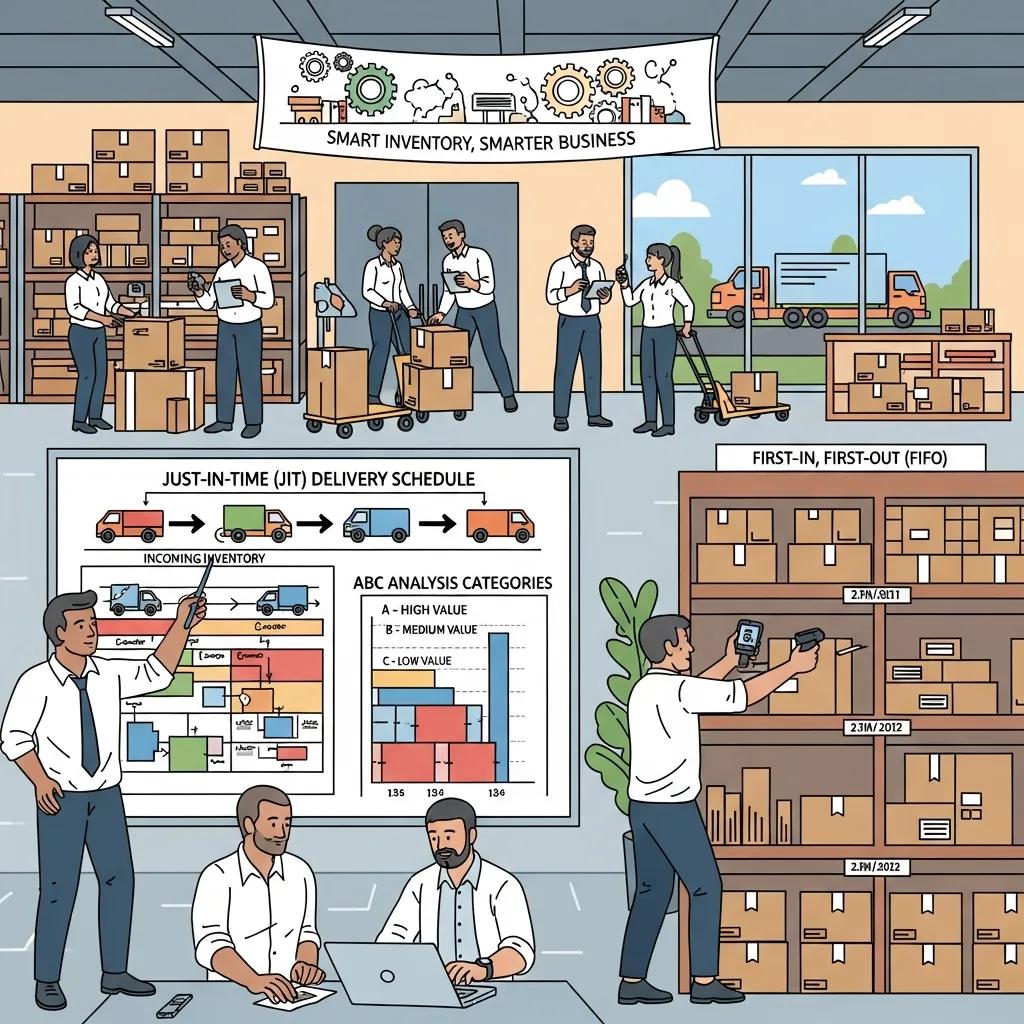
Implementing effective stock control techniques is essential for small businesses aiming to optimize their inventory management. Various methods can be employed to enhance stock control, including Just-in-Time (JIT), ABC analysis, and the First-In-First-Out (FIFO) method.
These techniques help businesses maintain optimal stock levels, reduce holding costs, and improve cash flow. By understanding and applying these methods, small businesses can enhance their inventory management processes and achieve greater operational efficiency.
How Do Just-in-Time, ABC Analysis, and FIFO Methods Optimize Inventory?
- Just-in-Time (JIT): This method focuses on receiving goods only as they are needed in the production process, minimizing inventory holding costs and reducing waste.
- ABC Analysis: This technique categorizes inventory into three groups (A, B, and C) based on their importance and value, allowing businesses to prioritize management efforts on high-value items.
- First-In-First-Out (FIFO): This method ensures that older stock is sold first, reducing the risk of obsolescence and ensuring that products remain fresh.
By employing these techniques, small businesses can optimize their inventory management and improve overall efficiency.
How Can Small Businesses Implement Automated Replenishment?
Automated replenishment systems can significantly enhance inventory management for small businesses. These systems use algorithms to analyze sales data and predict when stock levels will reach a predetermined threshold, triggering automatic reorders. Implementing automated replenishment offers several benefits:
- Reduced Manual Effort: Automation minimizes the need for manual inventory checks and reordering, saving time and reducing errors.
- Improved Stock Levels: By ensuring that products are reordered at the right time, businesses can maintain optimal stock levels and reduce the risk of stockouts.
- Enhanced Cash Flow Management: Automated systems help businesses manage cash flow more effectively by preventing overstocking and ensuring that capital is not tied up in excess inventory.
These advantages make automated replenishment a valuable tool for small businesses looking to streamline their inventory management processes.
Real-world case studies further illustrate the tangible benefits and considerations involved in adopting such advanced systems.
Automated Inventory Systems for Small Businesses: Benefits & Challenges
AbstractAlfa Company is a medium-sized Iraqi distributor of laboratory equipment and supplies; in this study, we analyze their experience with implementing an automated inventory management system. This research explains the potential benefits and implementation challenges of such a system for small and medium-sized businesses. This approach improved inventory monitoring, storage expenses, and customer satisfaction. Implementation was complicated and time-consuming, requiring IT experts and personnel training. This case study illustrates how IT consultants and suppliers may assist small and medium-sized organizations in assessing the costs and advantages of deploying an automated inventory management system. The case study might motivate SMEs to investigate automated inventory management systems to increase productivity and reduce costs.
Implementing an Automated Inventory Management System for Small and Medium-sized Enterprises, HS Salih, 2023
How Can Demand Forecasting Improve Small Business Inventory Management?
Demand forecasting plays a crucial role in inventory management by predicting future customer demand based on historical data and market trends. Accurate forecasting allows small businesses to make informed decisions about stock levels, reducing the risk of overstocking or stockouts.
Various methodologies, from traditional statistical models to advanced machine learning, are employed to achieve this predictive accuracy.
Demand Forecasting Methods for Small Business Optimization
The present paper explores two major approaches to demand forecasting: statistical methods and machine learning algorithms. This paper details the process of demand forecasting starting from data collection, preprocessing, model selection, and evaluation, specifically for small business optimization.
Demand Forecasting System for Small Business Optimization, 2025
By leveraging demand forecasting, businesses can optimize their inventory management processes, ensuring that they have the right products available to meet customer needs while minimizing excess inventory.
What Role Does AI Play in Demand Forecasting for Small Businesses?

Artificial Intelligence (AI) is increasingly being utilized in demand forecasting to enhance accuracy and efficiency. AI algorithms analyze vast amounts of data, identifying patterns and trends that may not be apparent through traditional forecasting methods. This advanced analysis allows businesses to make more accurate predictions about future demand, leading to better inventory management.
For small businesses, adopting AI-driven demand forecasting can provide a competitive edge, enabling them to respond more effectively to market changes and customer preferences.
How Does Accurate Forecasting Reduce Overstock and Stockouts?
Accurate demand forecasting directly impacts inventory levels by ensuring that businesses maintain optimal stock levels. By predicting customer demand accurately, businesses can avoid overstocking, which ties up capital and increases storage costs. Additionally, accurate forecasting minimizes the risk of stockouts, ensuring that products are available when customers need them.
This balance is essential for maintaining customer satisfaction and maximizing sales opportunities, ultimately contributing to the overall success of small businesses.
How Does Supply Chain Management Support Small Business Inventory Efficiency?
Effective supply chain management is integral to optimizing inventory efficiency for small businesses. A well-managed supply chain ensures that products are delivered on time and in the right quantities, reducing the risk of stockouts and overstocking.
By streamlining supply chain processes, small businesses can enhance their inventory management, improve cash flow, and better meet customer demand.
What Strategies Enhance Supply Chain Resilience and Sustainability?
- Diversifying Suppliers: Relying on multiple suppliers can reduce the risk of disruptions and ensure a steady flow of products.
- Implementing Sustainable Practices: Adopting environmentally friendly practices can enhance brand reputation and appeal to eco-conscious consumers.
- Investing in Technology: Utilizing technology for supply chain management can improve visibility and efficiency, allowing businesses to respond quickly to changes in demand.
These strategies collectively contribute to a more resilient and sustainable supply chain, supporting small business inventory efficiency.
How Can Local Sourcing and Regionalization Benefit Small Businesses?
- Cost Savings: Reducing transportation costs and lead times can lead to significant savings.
- Faster Delivery Times: Local suppliers can provide quicker turnaround times, ensuring that products are available when needed.
- Support for Local Economies: By sourcing locally, businesses contribute to their communities and foster goodwill among customers.
These advantages make local sourcing an attractive option for small businesses looking to enhance their inventory management processes.
How Can Small Businesses Leverage Local Inventory Management Services?
Leveraging local inventory management services can provide small businesses with valuable support in optimizing their inventory processes. These services often include consulting, software solutions, and hands-on assistance in managing stock levels.
By utilizing local services, small businesses can benefit from expert guidance and tailored solutions that address their specific inventory management needs.
How to Find and Vet Local Inventory Management Consultants and Software Providers?
Finding and vetting local inventory management consultants and software providers involves several key steps:
- Research: Start by researching local providers and reading reviews to gauge their reputation and expertise.
- Ask for Recommendations: Seek recommendations from other small business owners or industry associations to identify reputable consultants.
- Evaluate Experience: Assess the experience and qualifications of potential providers to ensure they have a proven track record in inventory management.
By following these steps, small businesses can find reliable local services that enhance their inventory management capabilities.
What Are the Benefits of Using Companies By Zip Code to Connect with Local Services?
Companies By Zip Code operates as a comprehensive online platform designed to connect users with local businesses and provide various business services. By utilizing this platform, small businesses can easily find and connect with local inventory management consultants and software providers. The benefits include:
- Ease of Finding Local Services: The platform simplifies the search process, allowing businesses to quickly identify relevant local providers.
- Support for Small Businesses: By connecting with local services, small businesses can access tailored solutions that meet their unique needs.
- Enhanced Visibility for Local Providers: The platform helps local providers gain exposure, fostering a supportive business ecosystem.
By leveraging Companies By Zip Code, small businesses can enhance their inventory management processes and build valuable local partnerships.
| Software | Key Features | Cost |
|---|---|---|
| Software A | Real-time tracking, user-friendly interface | $49/month |
| Software B | Integration capabilities, automated reporting | $79/month |
| Software C | Mobile access, customizable dashboards | $99/month |
In conclusion, effective inventory management is essential for small businesses seeking to optimize their operations and enhance profitability. By implementing efficient stock control techniques, leveraging technology, and utilizing local services, businesses can improve their inventory management processes and achieve greater success in a competitive market.
