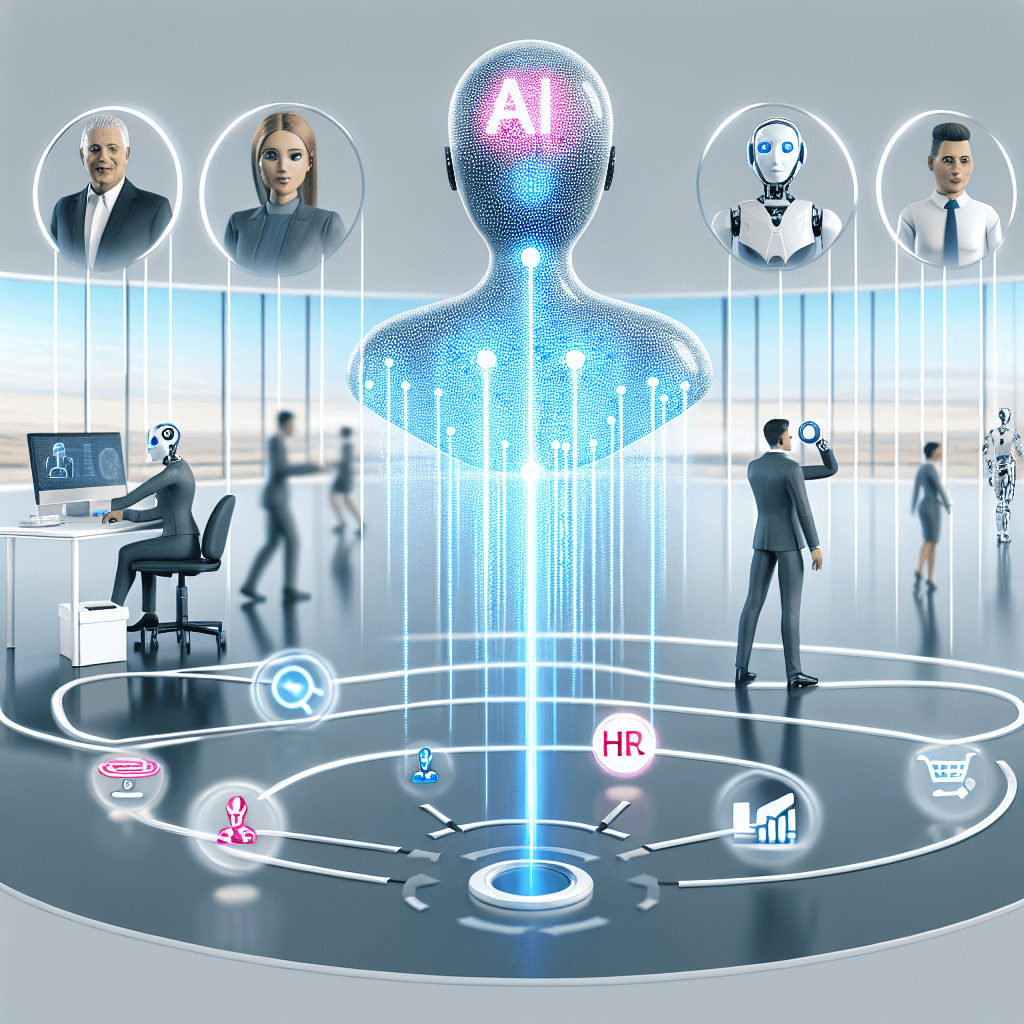
AI Agents in Marketing
AI agents are revolutionizing marketing strategies by enabling businesses to analyze consumer behavior and tailor campaigns accordingly. These intelligent systems can segment audiences, predict trends, and automate content creation, leading to more effective marketing efforts.
For example, AI-driven platforms like HubSpot utilize machine learning to optimize email campaigns, ensuring that the right message reaches the right audience at the right time. Additionally, predictive analytics can help marketers allocate budgets efficiently, maximizing return on investment through data-driven decisions.
AI Agents in Customer Service
In customer service, AI agents are enhancing user experiences by providing instant support and personalized interactions. These virtual assistants can handle a variety of inquiries, from simple FAQs to complex troubleshooting, significantly reducing response times.
For instance, companies like Zendesk implement AI chatbots that learn from previous interactions to improve their responses over time. This not only increases customer satisfaction but also allows human agents to focus on more complicated issues, enhancing overall operational efficiency.
AI Agents in Supply Chain Management
AI agents are playing a crucial role in optimizing supply chain management by predicting demand and improving inventory control. These systems analyze vast amounts of data to forecast trends, ensuring that businesses can meet customer demands without overstocking or understocking.
For example, companies like IBM utilize AI-driven analytics to streamline logistics and enhance supplier relationships, resulting in cost savings and improved service delivery. By automating these processes, businesses can respond more swiftly to market changes and maintain a competitive edge.
Ethical Considerations of AI Agents
The rise of AI agents brings forth significant ethical considerations that businesses must address. Issues such as data privacy, algorithmic bias, and the potential for job displacement are critical topics in the discussion of AI integration in various sectors.
For instance, companies are increasingly focusing on transparency in AI decision-making processes to build trust with consumers. Additionally, implementing guidelines for ethical AI usage can help mitigate risks associated with bias, ensuring that AI agents serve all users equitably and responsibly.