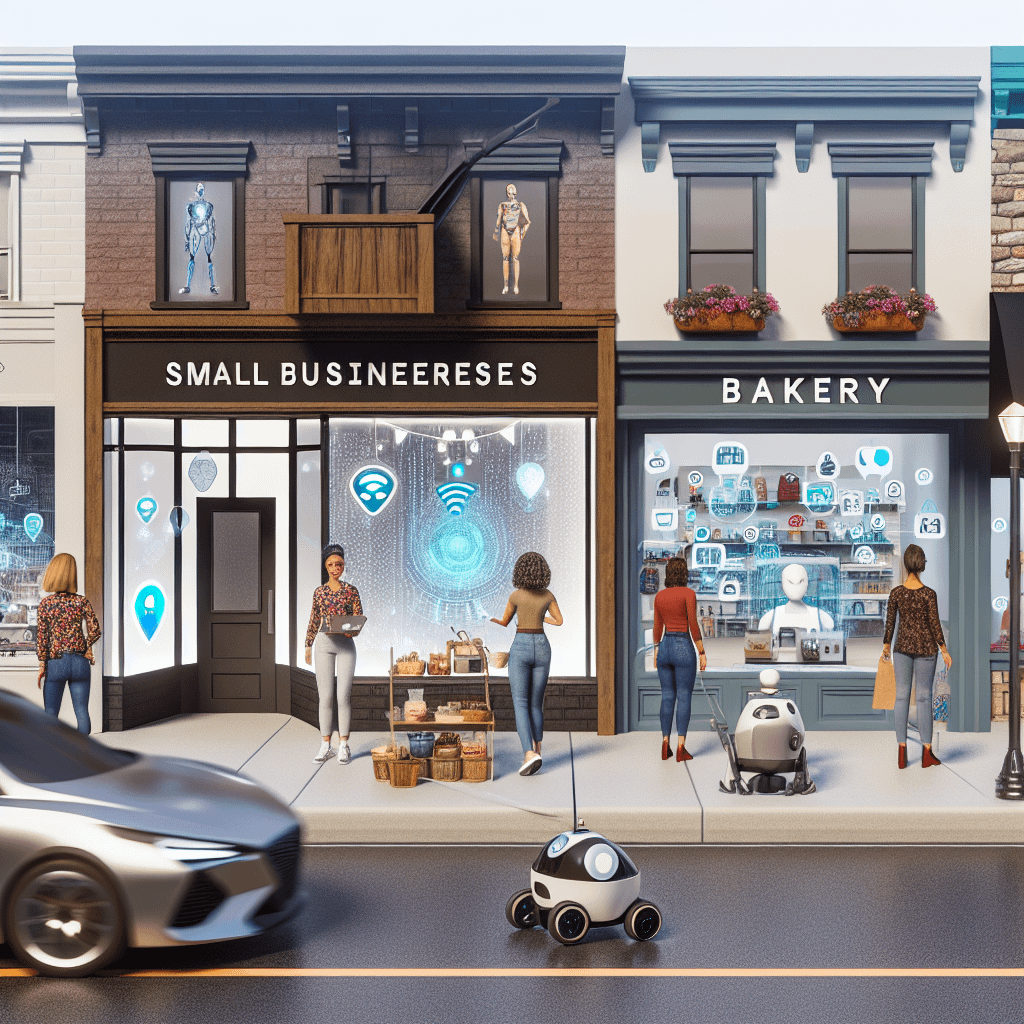
The Role of AI in Streamlining Small Business Operations
AI technologies are transforming how small businesses operate by automating routine tasks and enhancing efficiency. From inventory management to customer service, AI tools can help streamline processes, allowing business owners to focus on strategic growth.
For example, chatbots powered by AI can handle customer inquiries 24/7, reducing the need for constant human oversight. Additionally, predictive analytics can optimize inventory levels, ensuring that businesses are well-stocked without overcommitting resources.
Top AI Tools for Small Businesses in 2024
As AI continues to evolve, small businesses have access to a range of tools designed to enhance productivity and decision-making. Identifying the right tools can significantly impact a business's success in leveraging AI technologies.
Some popular AI tools include CRM systems that utilize machine learning to enhance sales strategies, and marketing automation platforms that personalize customer engagement. Tools like these enable small businesses to compete with larger enterprises by harnessing data-driven insights.
Understanding AI Trends That Will Shape Small Businesses
Staying ahead of AI trends is crucial for small businesses aiming to thrive in 2024. Trends such as increased personalization, enhanced data security, and the rise of no-code AI solutions are shaping how businesses interact with customers and manage operations.
For instance, the shift towards no-code platforms allows small business owners without technical backgrounds to implement AI solutions, democratizing access to advanced technologies. Additionally, prioritizing data security is becoming essential as businesses collect more customer information through AI-driven tools.
Challenges Small Businesses Face When Implementing AI
While the benefits of AI are significant, small businesses often encounter challenges in implementation. These can include limited budgets, lack of technical expertise, and resistance to change within the organization.
To overcome these obstacles, small businesses can start with pilot projects that require minimal investment and gradually scale their AI initiatives. Training staff and fostering a culture of innovation can also help mitigate resistance and ensure a smoother transition to AI-enhanced operations.