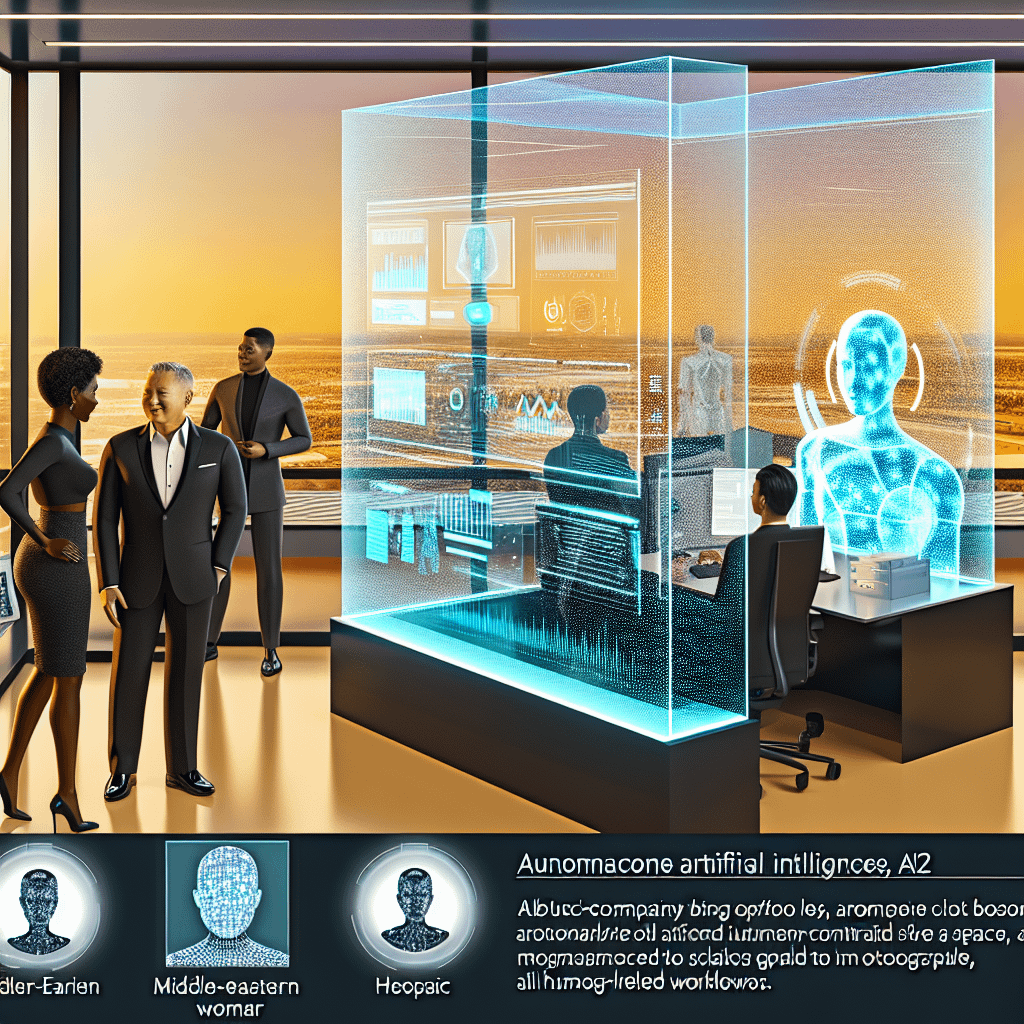
The Role of Autonomous AI Agents in Business Efficiency
Autonomous AI agents are revolutionizing business operations by automating routine tasks, thereby enhancing overall efficiency. These intelligent systems can analyze data, manage workflows, and execute decisions without human intervention, allowing businesses to focus on strategic initiatives.
For instance, companies in logistics are using AI agents to optimize supply chain management by predicting demand and adjusting inventory levels accordingly. This not only reduces operational costs but also improves customer satisfaction through timely deliveries and accurate order fulfillment.
Implications of AI-Driven Decision Making
The integration of autonomous AI agents into decision-making processes presents significant implications for businesses. These AI systems can process vast amounts of data to provide insights that inform strategic decisions, enabling companies to respond quickly to market changes.
For example, financial institutions are leveraging AI agents to assess risk and identify investment opportunities. By utilizing predictive analytics, these agents can enhance investment strategies and improve financial forecasting, ultimately leading to better financial performance.
Challenges of Implementing Autonomous AI Agents
While the benefits of autonomous AI agents are substantial, businesses also face challenges in their implementation. Issues such as data privacy, security concerns, and the need for significant upfront investment can hinder organizations from fully adopting AI technologies.
Moreover, companies must ensure that their workforce is equipped with the necessary skills to work alongside AI systems. This may involve retraining employees and addressing concerns about job displacement, which are critical for a smooth transition to an AI-driven environment.
Future Trends in Autonomous AI Technology
As we move towards 2025, several trends are emerging in the field of autonomous AI technology that will further influence business practices. These include advancements in machine learning algorithms, increased collaboration between humans and AI, and the rise of ethical AI practices focused on transparency and accountability.
For instance, the development of explainable AI is gaining traction, allowing businesses to understand and trust the decisions made by AI agents. This transparency is essential for fostering confidence among stakeholders and ensuring compliance with regulatory standards.