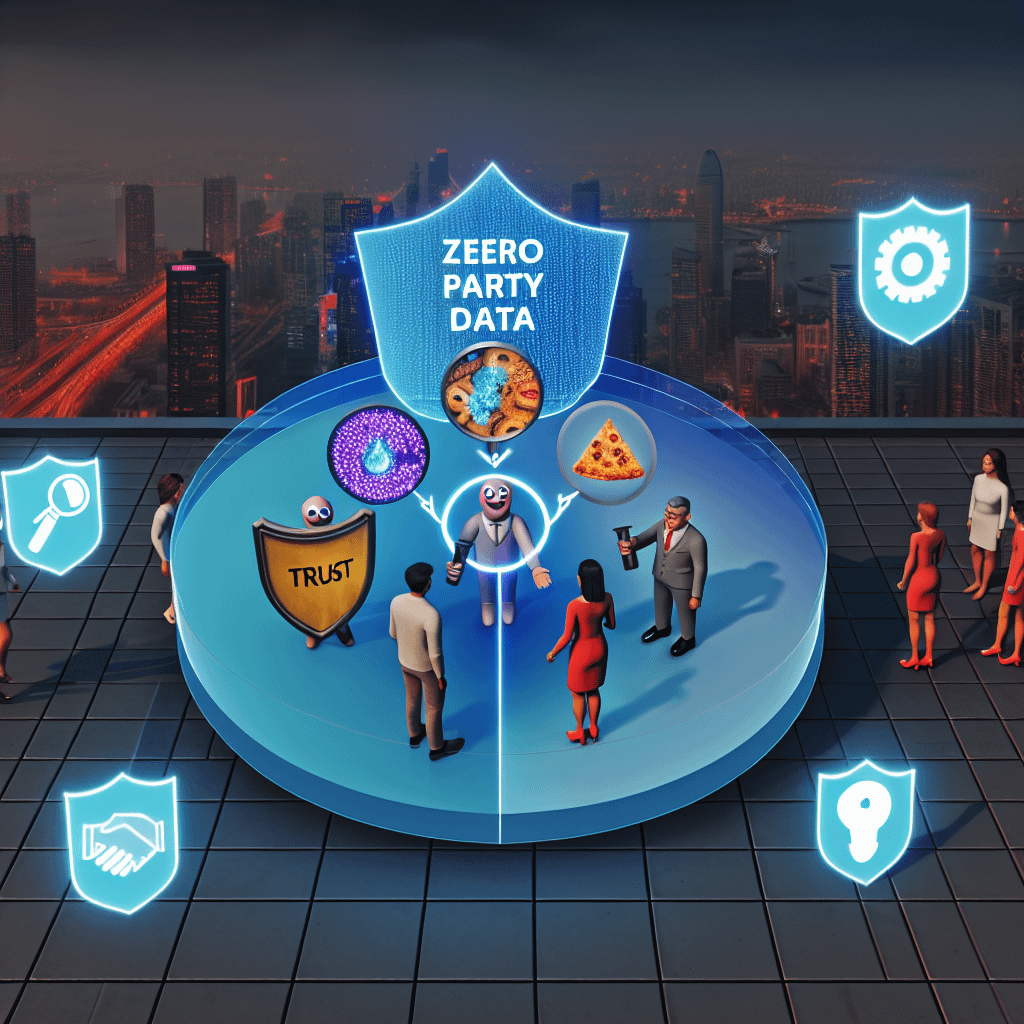
Understanding Zero-Party Data
Zero-party data refers to information that customers voluntarily provide to brands, which includes preferences, interests, and feedback. This type of data is highly valuable because it reflects the customer's intentions and desires, enabling businesses to tailor their offerings more effectively.
For example, a brand might use interactive quizzes to gather zero-party data, allowing customers to express their preferences directly. This not only enhances the customer experience but also fosters a sense of trust, as customers feel their opinions are valued and taken into account.
Benefits of Zero-Party Data for Businesses
Utilizing zero-party data can significantly enhance marketing strategies by enabling hyper-personalization. Brands that effectively leverage this data can create targeted campaigns that resonate more deeply with their audience, leading to increased engagement and conversion rates.
Moreover, zero-party data can improve customer loyalty, as it allows businesses to deliver personalized experiences that meet the specific needs of their customers. This can include tailored product recommendations or customized communication, ultimately resulting in stronger customer relationships and higher retention rates.
Best Practices for Implementing Zero-Party Data
To successfully implement zero-party data strategies, businesses should focus on transparency and value exchange. Clearly communicating to customers why their data is being collected and how it will benefit them can encourage participation and trust.
Additionally, incorporating engaging formats such as surveys, loyalty programs, and interactive content can motivate customers to share their preferences. Businesses should also ensure that they provide meaningful incentives for customers to participate, such as discounts or exclusive access to products.
Case Studies: Successful Zero-Party Data Strategies
Many leading brands have successfully integrated zero-party data into their marketing strategies, demonstrating its effectiveness. For instance, a retail company might use customer feedback collected through surveys to refine its product offerings, resulting in increased sales and customer satisfaction.
Another example is a subscription service that utilizes zero-party data to personalize the user experience, tailoring content and recommendations based on the preferences shared by subscribers. These case studies illustrate how zero-party data can drive business growth and enhance customer engagement.