

- Home
- Business Services
- Blog
- Contact Us
Commercial Boiler Replacement: When to Upgrade vs Repair
- Business
- Industry
-
Apr 21
- Share post
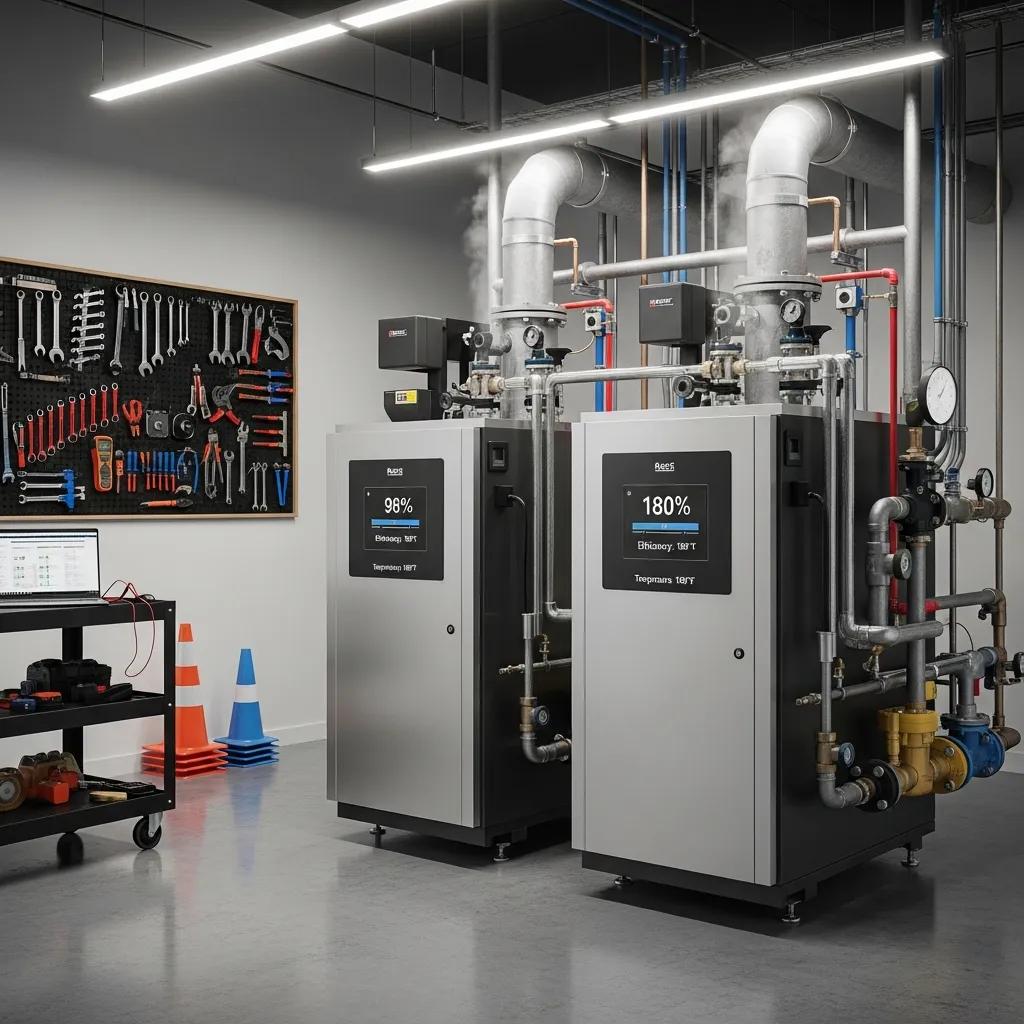
Commercial Boiler Replacement: When to Upgrade vs Repair - Your Complete 2026 Guide
Deciding whether to upgrade or repair a commercial boiler is a critical decision for business owners. Understanding the nuances of commercial boiler replacement can save significant costs and enhance operational efficiency. This comprehensive guide will explore the lifespan of commercial boilers, key indicators for repair or replacement, and the financial implications of each option. Many businesses face challenges with aging heating systems that can lead to inefficiencies and increased operational costs. By making informed decisions, you can ensure your heating system meets current energy efficiency standards and operational needs. This article will cover the average lifespan of commercial boilers, signs that indicate the need for repair or replacement, the viability of repairs, considerations for replacement, cost factors, and the impact of energy efficiency standards and financing options in 2026.
What Is the Average Lifespan of a Commercial Boiler?
The average lifespan of a commercial boiler typically ranges from 15 to 25 years, depending on various factors such as the type of boiler, maintenance practices, and operational conditions. Understanding the lifespan is crucial for planning replacements and avoiding unexpected failures. Regular maintenance can significantly extend the life of a boiler, ensuring it operates efficiently throughout its lifespan.
How Do Different Boiler Types Affect Lifespan?
Different types of boilers, such as gas-fired, oil-fired, and electric boilers, have varying lifespans influenced by their design and operational efficiency. Gas-fired boilers generally last around 15 to 25 years due to their efficient combustion processes, while oil-fired boilers typically have a similar lifespan but may require more frequent maintenance. Electric boilers often have fewer mechanical parts and can last 20 to 30 years, but their suitability depends on the specific commercial application and energy costs.
What Maintenance Practices Extend Boiler Lifespan?
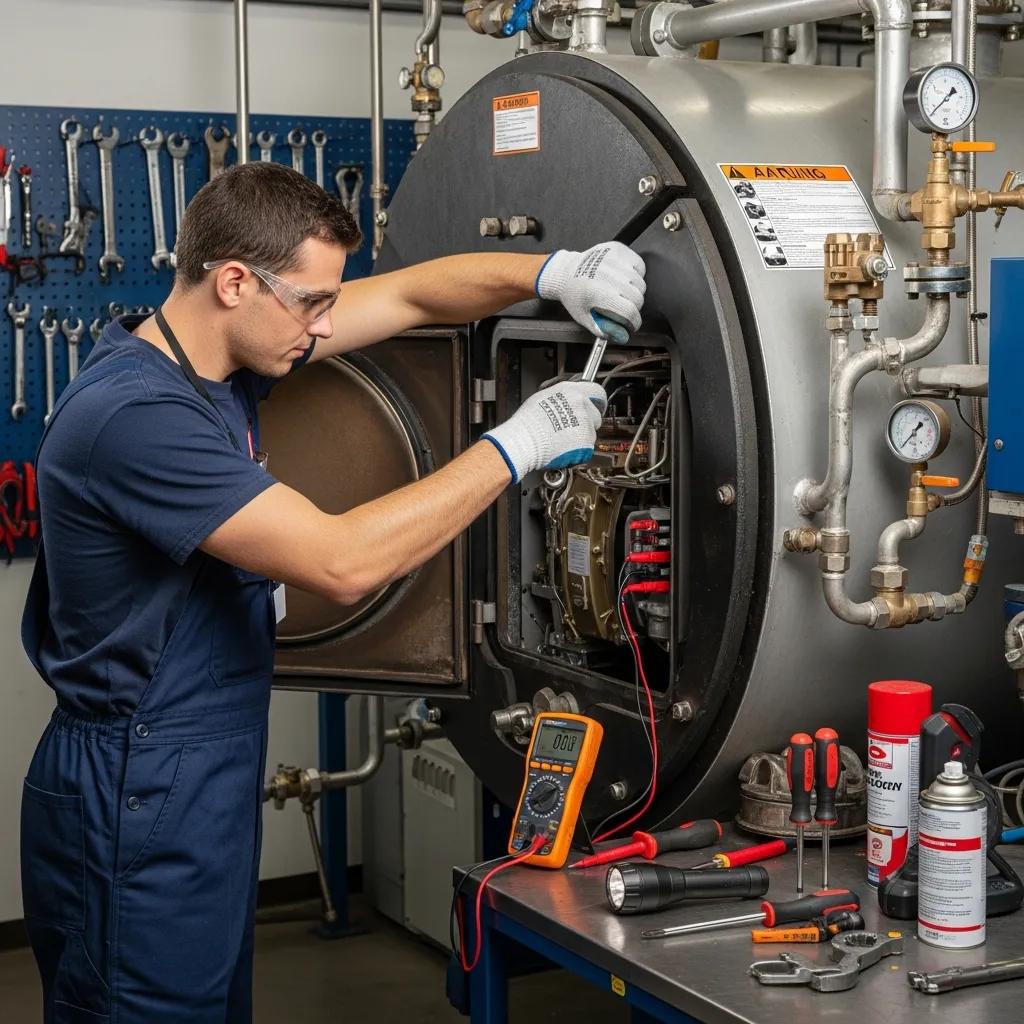
Implementing regular maintenance practices is essential for prolonging the lifespan of commercial boilers. Key maintenance tasks include routine inspections, cleaning of boiler components, and timely servicing. Regularly checking for leaks, ensuring proper water levels, and replacing worn parts can prevent major breakdowns and extend the operational life of the boiler. Establishing a comprehensive maintenance schedule can help businesses avoid costly repairs and replacements.
What Are the Key Signs Your Commercial Boiler Needs Repair or Replacement?
Identifying the signs that a commercial boiler needs repair or replacement is vital for maintaining operational efficiency. Frequent breakdowns, safety compliance issues, and rising energy costs are common indicators that a boiler may no longer be functioning optimally.
How to Identify Frequent Breakdowns and Malfunctions
Frequent breakdowns and malfunctions can manifest as unusual noises, inconsistent heating, or frequent cycling on and off. These issues often indicate underlying problems that require immediate attention. Monitoring the frequency of repairs can help determine whether it is more cost-effective to repair or replace the boiler.
What Safety and Compliance Issues Indicate Boiler Failure?
Safety and compliance issues are critical factors in determining the need for boiler replacement. If a boiler fails to meet current safety regulations or shows signs of corrosion, it may pose a risk to the facility and its occupants. Compliance with local laws and safety standards is essential, and failure to address these issues can lead to significant liabilities for businesses.
When Is Repairing Your Commercial Boiler a Viable Option?
Repairing a commercial boiler can be a viable option under certain circumstances, particularly when the costs of repair are significantly lower than replacement. Understanding the financial implications of repairs versus replacement is crucial for effective budgeting.
What Are Typical Repair Costs and Their Impact on Budget?
Typical repair costs for commercial boilers can vary widely based on the nature of the issue. Minor repairs may cost a few hundred dollars, while major repairs can run into several thousand dollars. Businesses should assess their budgets and consider the long-term implications of frequent repairs versus investing in a new boiler.
What Are the Short-Term Benefits and Risks of Repair?
Repairing a boiler can provide immediate benefits, such as restoring functionality and avoiding the upfront costs of replacement. However, there are risks associated with repairs, including the potential for recurring issues and the possibility that the boiler may not operate efficiently after repairs. Weighing these factors is essential for making informed decisions.
When Should You Consider Replacing Your Commercial Boiler?
Replacement may be necessary when a boiler is nearing the end of its lifespan or when repair costs become prohibitive. Understanding the indicators for replacement can help businesses avoid unexpected failures and costly downtime.
How Do Energy Efficiency and New Boiler Technologies Influence Replacement?
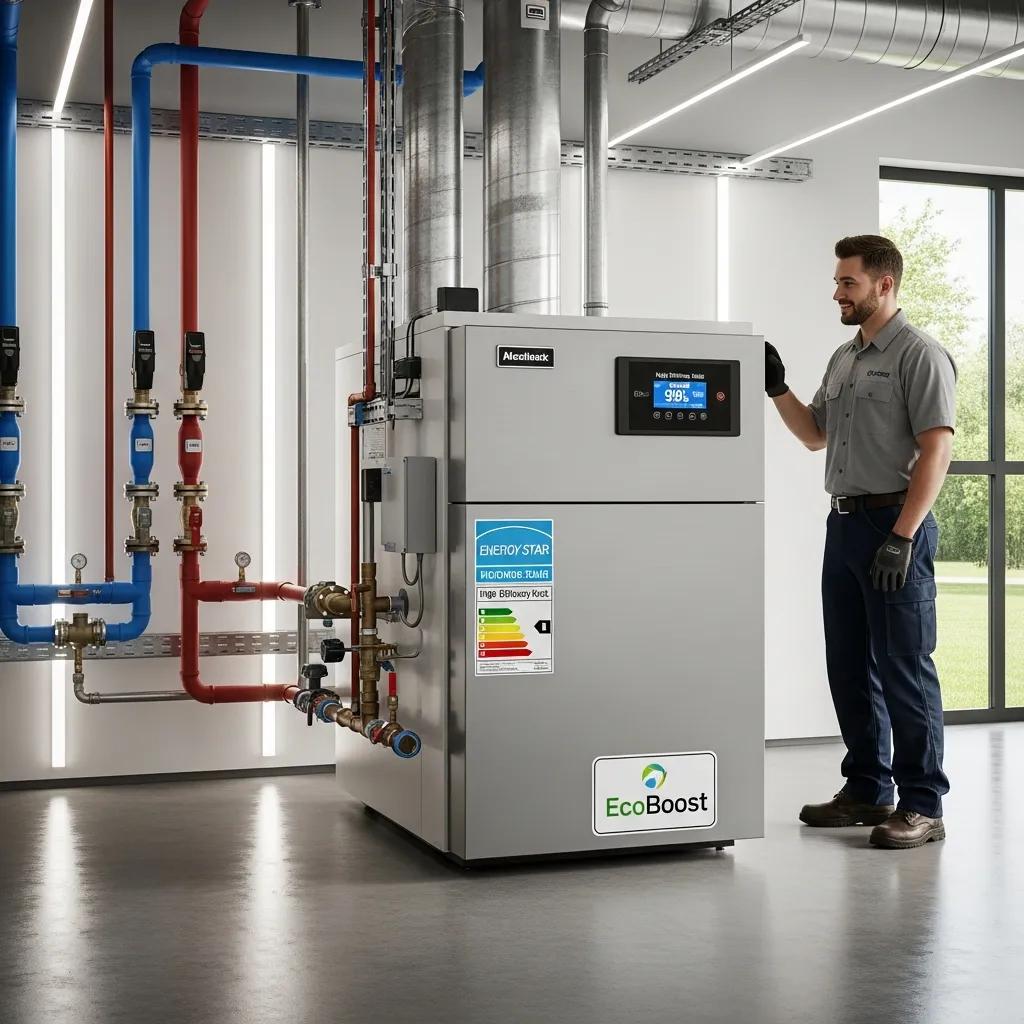
Energy efficiency is a significant factor in the decision to replace a commercial boiler. New technologies offer improved efficiency, which can lead to substantial cost savings over time. Businesses should consider the long-term benefits of investing in a new, energy-efficient boiler that meets current standards.
Achieving maximum operational results often hinges on accurately calculating and continuously improving boiler efficiency.
Boiler Efficiency Calculation & Improvement Methods
The main objective of this paper is to find out the boiler efficiency calculation and method to improvement. Running the plant with maximum result we need high boiler efficiency. Calculating boiler efficiency as one of the most important types of performance measurement in any power plant.
Performance analysis and efficiency improvement of boiler-a review, 2021
What Are the Long-Term Savings and Safety Benefits of Replacement?
Replacing an old boiler can result in long-term savings through reduced energy costs and improved safety features. Newer models often come equipped with advanced safety mechanisms and are designed to operate more efficiently, reducing the risk of breakdowns and enhancing overall performance.
How Much Does Commercial Boiler Replacement Cost in 2026?
The cost of commercial boiler replacement in 2026 can vary based on several factors, including the type of boiler, installation complexity, and local market conditions. Understanding these cost factors is essential for effective budgeting.
What Factors Influence Replacement and Installation Costs?
Several factors influence the costs associated with boiler replacement, including the size and type of boiler, installation complexity, and any necessary modifications to existing systems. Businesses should obtain multiple quotes and consider the total cost of ownership when evaluating replacement options.
How Does Repair Cost Compare to Replacement Cost?
When comparing repair costs to replacement costs, businesses should consider both short-term and long-term implications. While repairs may seem more economical initially, frequent breakdowns can lead to higher cumulative costs over time. A thorough cost analysis can help determine the most financially sound decision.
Understanding the full financial picture, including long-term expenditures, is crucial for making informed decisions about boiler investments.
Industrial Steam Boiler Life Cycle Cost Analysis
The generic total economic cost of an industrial steam boiler over the service life of the boiler in relation to initial cost and discounted future expenditures was investigated. The present value method of life cycle cost analysis (LCCA) was used to analyse the yearly and compounded cycle cost; annually and compounded future fuel cost of an industrial steam boiler from the initial investment cost, generating cost per annum and disposal cost.
Annual and compounded life cycle cost analysis of a steam boiler, IO Ohijeagbon, 2011
How Do 2026 Energy Efficiency Standards and Financing Options Affect Your Boiler Decision?
In 2026, energy efficiency standards will continue to play a crucial role in the decision-making process for boiler replacement. Understanding these regulations and available financing options can help businesses make informed choices.
What Are the Latest Energy Efficiency Regulations and Incentives?
The latest energy efficiency regulations encourage businesses to invest in high-efficiency boilers that meet or exceed established standards. Incentives may be available for businesses that upgrade to more efficient systems, providing financial relief and promoting sustainability.
These evolving standards often include regulations aimed at phasing out less efficient or fossil fuel-dependent systems.
EU Fossil Fuel Boiler Phase-Out Regulations
phase-out regulations for fossil fuel boilers needs to be substantiated and implemented into the legislative framework. At the national level, phase-out regulations for fossil fuel boilers
Banning boilers: An analysis of existing regulations to phase out fossil fuel heating in the EU, J Rosenow, 2023
How Can Businesses Access Financing and Grants for Boiler Upgrades?
Accessing financing and grants for boiler upgrades can significantly ease the financial burden of replacement. Various programs may be available to assist businesses in funding their upgrades, making it essential to explore all available options to maximize savings.
| Cost Factor | Description | Estimated Value |
|---|---|---|
| Boiler Type | Gas-fired, oil-fired, electric | Varies by type |
| Installation Complexity | Simple vs. complex installations | $1,500 – $5,000 |
| Local Market Conditions | Regional pricing variations | Varies by location |
This table illustrates the various cost factors associated with commercial boiler replacement, highlighting the importance of considering each element when budgeting for a new system.
Commercial boiler replacement is a significant investment that requires careful consideration of various factors, including lifespan, repair versus replacement costs, and compliance with energy efficiency standards. By understanding these elements, businesses can make informed decisions that enhance operational efficiency and reduce long-term costs.