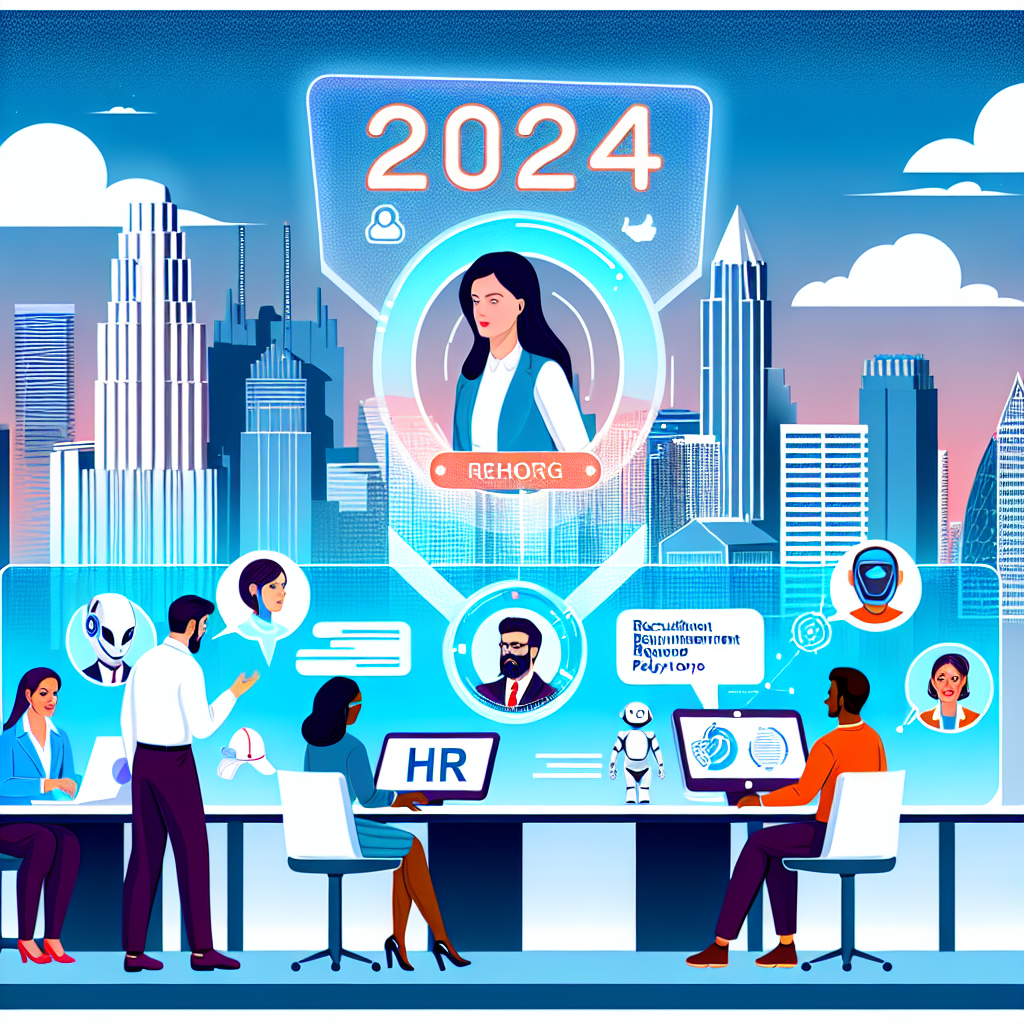
AI technologies such as machine learning, natural language processing, and predictive analytics are transforming HR outsourcing by automating routine tasks and enhancing decision-making processes. These technologies enable HR professionals to focus on strategic initiatives rather than administrative duties, thereby increasing overall productivity.
For example, machine learning algorithms can analyze employee performance data to identify trends and suggest personalized development plans. Natural language processing can streamline communication between HR and employees, making it easier to address concerns and feedback efficiently.
Despite the advantages, small businesses may face several challenges when implementing AI-powered HR outsourcing. These include resistance to change from employees, the need for upskilling, and concerns over data privacy and security. Addressing these challenges is crucial for successful integration.
For instance, businesses can mitigate resistance by involving employees in the transition process and providing training sessions that highlight the benefits of AI tools. Additionally, ensuring robust data protection measures can alleviate concerns regarding privacy, fostering a smoother implementation.
The future of AI-powered HR outsourcing is poised for significant advancements, including the integration of advanced analytics and employee experience enhancements. Companies are likely to adopt more sophisticated AI tools that not only automate tasks but also provide deep insights into workforce dynamics.
Emerging trends such as AI-driven employee engagement platforms and predictive workforce planning will allow organizations to anticipate needs and adapt their HR strategies accordingly. These innovations promise to create a more agile and responsive HR function, essential for navigating the complexities of modern business environments.
As AI adoption in HR outsourcing grows, navigating local regulations becomes increasingly important for small businesses. Compliance with labor laws and data protection regulations can vary significantly by region, impacting how AI tools are implemented and used.
For example, businesses in California must adhere to strict data privacy laws that govern how employee data is collected and used by AI systems. Understanding these regulations is vital for ensuring that AI implementations do not inadvertently violate legal standards, which could lead to penalties and reputational damage.