

how-hyper-personalization-is-redefining-consumer-engagement-in-2024
How Hyper-Personalization is Redefining Consumer Engagement in 2024

How Hyper-Personalization is Redefining Consumer Engagement in 2024
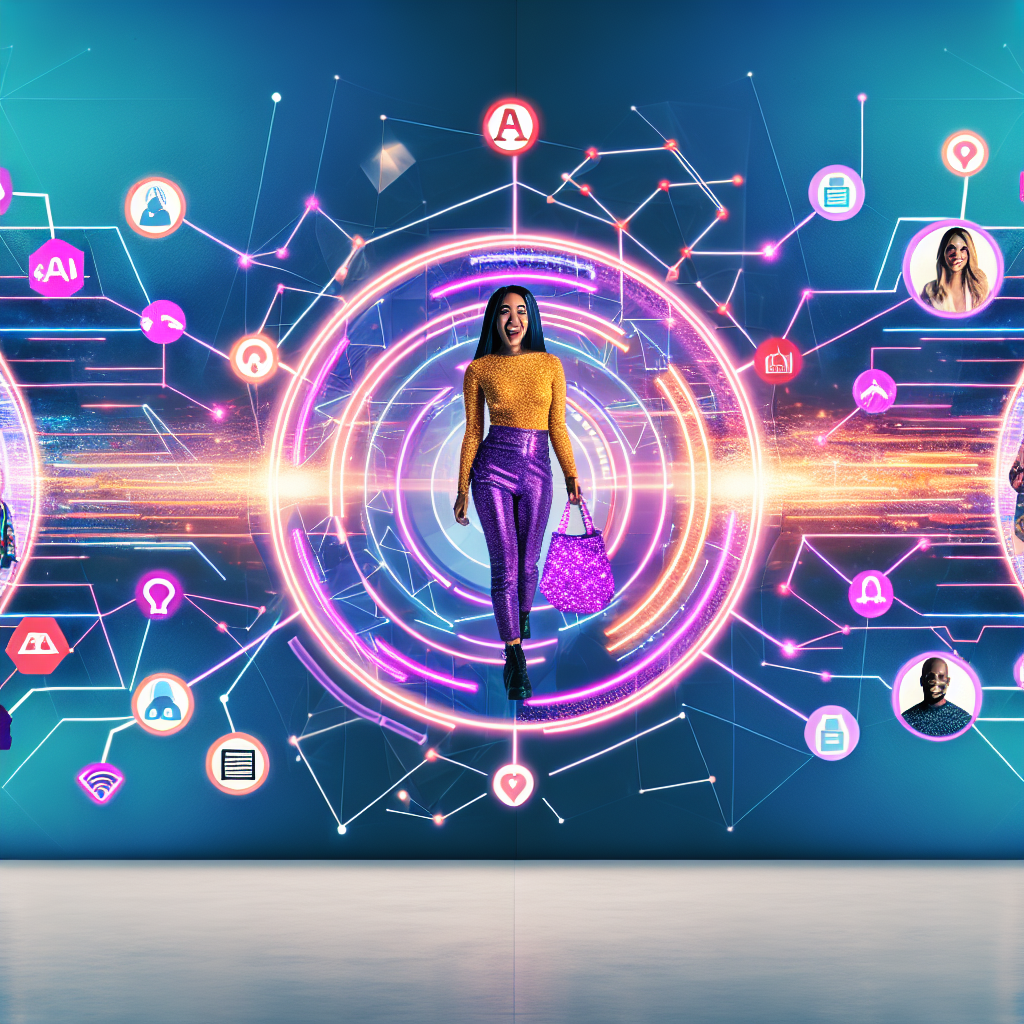
Hyper-personalization is transforming the marketing landscape by allowing businesses to tailor their messages and offerings to individual consumer preferences. This approach goes beyond traditional personalization methods by utilizing data analytics and AI to create highly relevant experiences that resonate with customers.
For instance, brands can analyze consumer behavior, preferences, and interactions to deliver customized recommendations and targeted promotions. Studies have shown that hyper-personalized marketing efforts can significantly increase customer engagement and conversion rates, making it a crucial strategy for businesses in 2024.
To effectively implement hyper-personalization, businesses must adopt a multi-faceted strategy that integrates data collection, analysis, and application. This involves leveraging customer data from various touchpoints to gain insights into their preferences and behaviors.
For example, companies can utilize CRM systems and analytics tools to segment their audience and create tailored content that speaks directly to each segment's needs. Additionally, employing machine learning algorithms can help predict future consumer behavior, allowing brands to stay ahead of trends and adjust their strategies accordingly.
While hyper-personalization offers numerous benefits, it also presents several challenges that businesses must navigate. Data privacy concerns are at the forefront, as consumers are increasingly wary of how their information is used.
Moreover, businesses may struggle with the integration of various data sources and the technology needed to deliver personalized experiences at scale. Addressing these challenges requires a careful balance between personalization and privacy, ensuring that customers feel valued without compromising their trust.
The future of hyper-personalization is poised to evolve with advancements in technology and changing consumer expectations. Emerging trends include the use of augmented reality (AR) and virtual reality (VR) to create immersive shopping experiences that cater to individual preferences.
Moreover, as artificial intelligence continues to advance, businesses will have access to even more sophisticated tools for analyzing consumer data and predicting trends. This evolution will enable brands to offer hyper-personalized experiences that not only meet but exceed customer expectations in 2024 and beyond.
 Optimized by Seraphinite Accelerator
