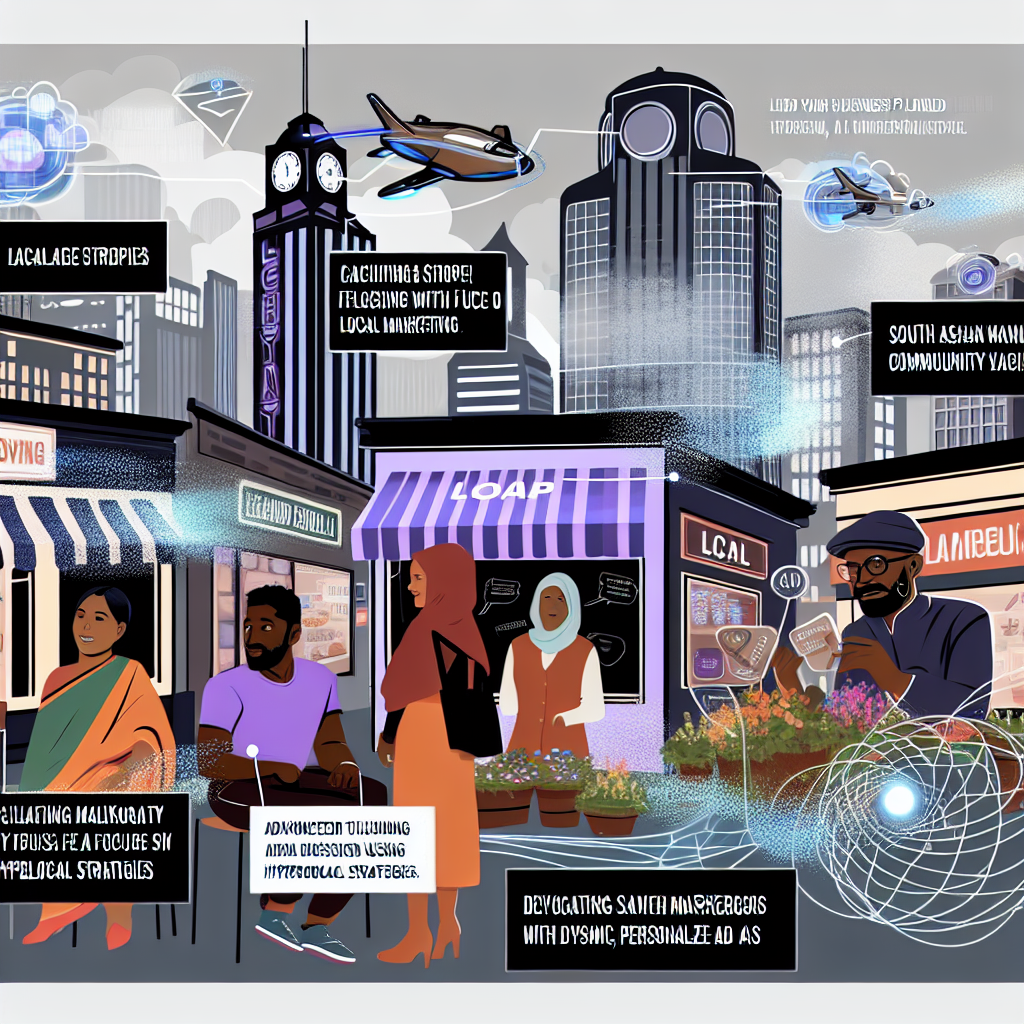
Hyperlocal marketing refers to the practice of targeting customers within a specific geographic area. This approach allows businesses to tailor their marketing efforts to meet the unique needs and preferences of local consumers, enhancing engagement and conversion rates.
For example, a coffee shop might use hyperlocal marketing by promoting special offers to customers within a 5-mile radius through social media ads or local search engine optimization (SEO) tactics. This localized focus not only helps in building brand loyalty but also drives foot traffic to the store.
As we look ahead to 2025, several key trends are emerging in hyperlocal marketing that businesses should be aware of. These include the increasing use of artificial intelligence to analyze consumer behavior and the growing importance of mobile optimization for local searches.
For instance, businesses are leveraging AI-driven tools to personalize marketing messages based on location and past purchasing behavior, thereby enhancing the customer experience. Additionally, with the rise of mobile usage, ensuring that websites are optimized for mobile devices is crucial for capturing local customers effectively.
Implementing hyperlocal marketing strategies offers numerous benefits for businesses, including increased visibility, improved customer loyalty, and higher conversion rates. By focusing on localized efforts, brands can connect more meaningfully with their target audience.
For example, a local restaurant that engages with its community through targeted promotions and events can foster a loyal customer base. This not only helps in retaining existing customers but also attracts new ones through word-of-mouth and community involvement.
While hyperlocal marketing presents significant opportunities, it also comes with its own set of challenges. Businesses must navigate issues such as competition from larger brands and the need for continuous engagement with the local audience.
For instance, a small retail store might struggle to compete with national chains that have more extensive marketing resources. To overcome this, local businesses can focus on building strong community relationships and leveraging social media platforms to maintain a consistent presence and engage with their audience effectively.