

How Illinois Small Businesses Are Tapping Into a Surge of New Public & Private Funding in 2025
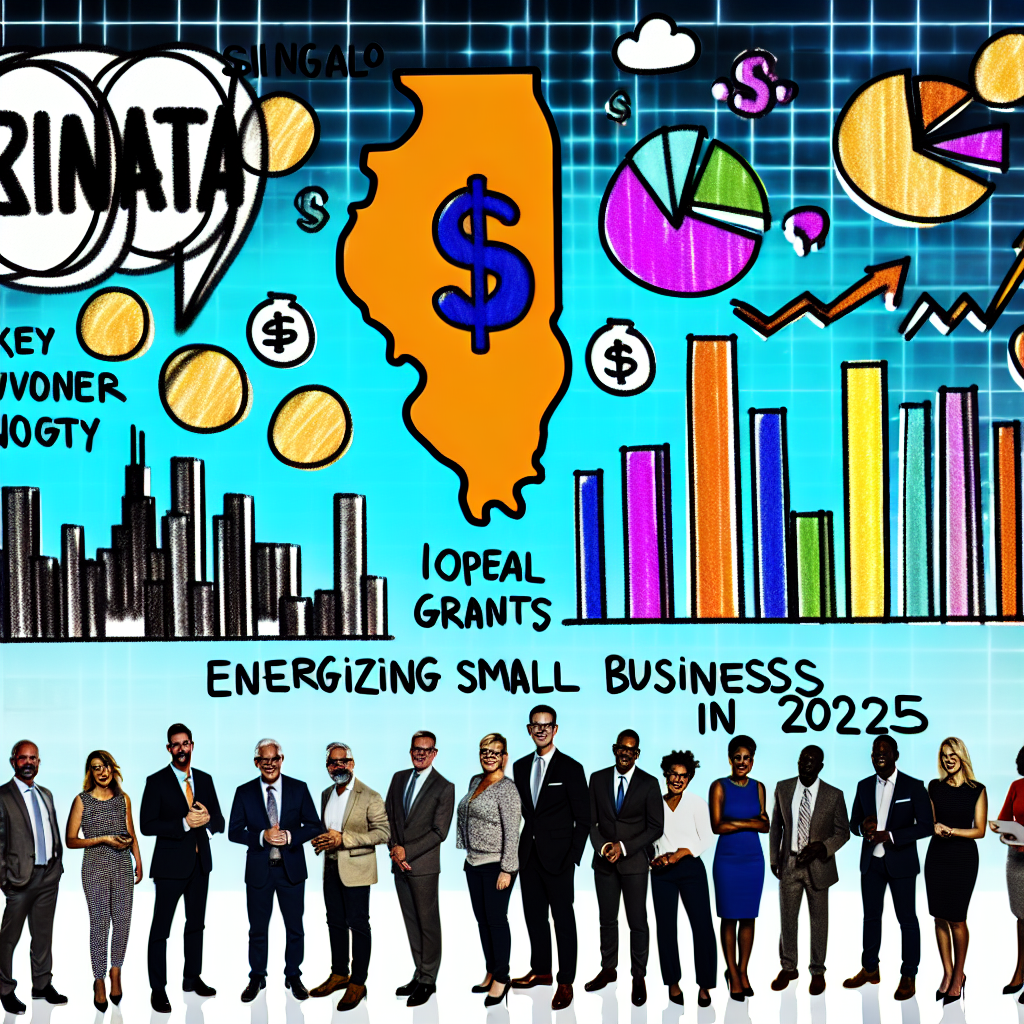
Small Business Financing Renaissance in Illinois
Small businesses across Illinois are experiencing a financing renaissance in 2025. As entrepreneurs recover from pandemic-era stresses and tap into a new wave of public investments and innovative lending platforms, the Prairie State is becoming a case study in small business resilience and reinvention. From dynamic downtown districts in Chicago to revitalized main streets in Champaign and Rockford, Illinois is seeing a surge in capital opportunities—both traditional and unconventional.
Whether you’re launching a startup in Peoria or expanding a digital consultancy in Evanston, understanding the funding landscape in Illinois is key to unlocking long-term growth. Let’s explore where the most promising financing trends are unfolding and how Illinois-based small businesses are cashing in.
Table of Contents
- Illinois’s Economic Snapshot and Small Business Climate
- High-Growth ZIP Codes & Cities for Small Business Financing
- 2025’s Top Small Business Funding Trends in Illinois
- Major Public & Private Financing Programs Available Now
- Innovative and Alternative Financing Options in Illinois
- Real Success Stories: Illinois Entrepreneurs Who Secured Funding
- Leveraging Illinois’s Regional and Cultural Strengths for Growth
- Key Challenges Facing Small Businesses in Illinois
- Stats & Data: What the Numbers Say
- Your Next Move: How to Explore Illinois Funding Partners via CompaniesByZipcode.com
Illinois’s Economic Snapshot and Small Business Climate
Illinois ranks among the top states in the Midwest for small business activity, supported by a diversified economy rich in manufacturing, technology, food processing, healthcare, logistics, and education. With more than 1.2 million small businesses employing 45% of the private workforce (U.S. Small Business Administration, 2024 data), Illinois is a cornerstone of America’s entrepreneurial spirit.
While the state previously faced fiscal challenges, recent pro-business reforms—including tax incentives, increased workforce development funding, and expanded grant programs—have laid a better foundation. Coupled with strategic infrastructure investments, the business environment is now much more favorable.
Key Economic Highlights:
- Business Growth Rate (2024-2025): 3.9% annually (SBA)
- Top Industries Driving Small Business Success: Tech, logistics, agriculture tech, retail, dining, and renewable energy
- Startup Cost Index: Medium – urban startup costs are higher, but rural and suburban regions offer more affordable entry points
- Venture Capital Flow to Early-Stage Companies: Increased by 18% YoY
Your Next Move: How to Explore Illinois Funding Partners via CompaniesByZipcode.com
If you’re looking to turn your Illinois-based venture from idea to income, CompaniesByZipcode.com provides instant access to:
- Nearby grant programs by ZIP code
- SBA and state-certified lenders active in your area
- Local startup incubators and business workshops
- Peer-reviewed funding programs with real-time updates
By narrowing your search to what’s going on in your city or community, you’ll gain an edge in unlocking the capital that best aligns with your goals.
Final Thoughts
Illinois offers the best of both worlds: the fast pace and resources of metro hubs, and the community-driven opportunities in smaller towns. As small business financing options expand and become more inclusive in 2025, now is the perfect time to explore local funding gems. With a smart strategy and the right tools, your Illinois-based small business could be poised for its best year yet.
Ready to connect with funding opportunities in your ZIP code? Explore CompaniesByZipcode.com and start capitalizing on Illinois’s small business momentum today.