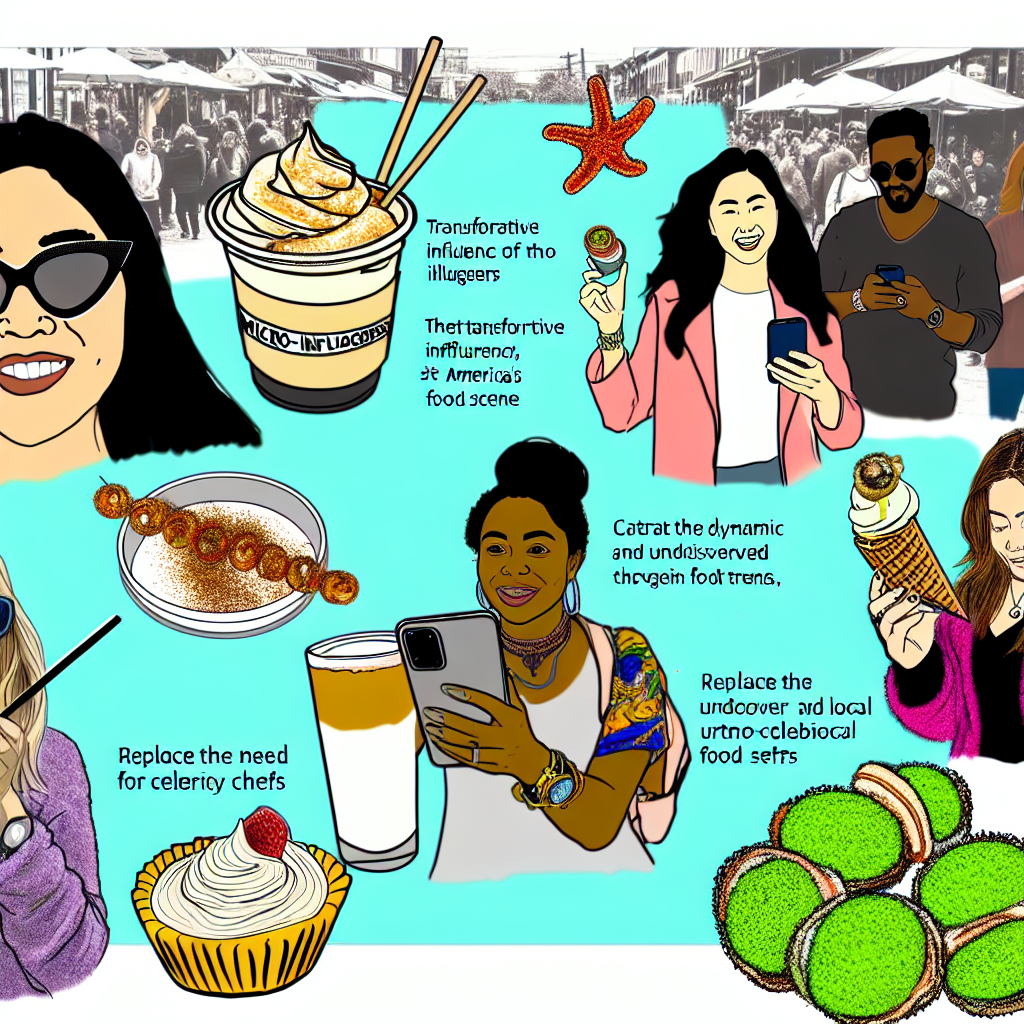
The Role of Micro-Influencers in Promoting Local Eateries
Micro-influencers play a crucial role in promoting local eateries by leveraging their close-knit relationships with followers. Their authentic recommendations resonate more with consumers seeking genuine dining experiences, often leading to increased foot traffic and sales for small businesses.
For instance, a micro-influencer might share a post about their favorite neighborhood café, showcasing the ambiance and unique dishes. This personal touch not only highlights the eatery but also encourages followers to visit, thereby fostering community engagement and supporting local economies.
Trends Influenced by Micro-Influencers in the Food Industry
Micro-influencers are at the forefront of emerging food trends, often introducing their followers to new cuisines, cooking styles, and dietary preferences. Their ability to curate content around specific trends helps shape consumer behavior and dining choices.
For example, the rise of plant-based diets has been significantly influenced by micro-influencers who share recipes and dining experiences centered around veganism. Their content often includes visually appealing photos and engaging storytelling, which can inspire followers to explore these new culinary trends.
Measuring the Impact of Micro-Influencer Campaigns
Brands are increasingly interested in measuring the effectiveness of micro-influencer campaigns to understand their return on investment. Metrics such as engagement rates, reach, and conversion rates provide insights into how well these campaigns resonate with target audiences.
Tools like social media analytics and customer feedback surveys can help quantify the impact of micro-influencer partnerships. For instance, a restaurant may track reservations made through a promo code shared by a micro-influencer, allowing them to assess the direct influence on sales and brand awareness.
Building Relationships with Micro-Influencers
Establishing strong relationships with micro-influencers is essential for brands looking to leverage their influence effectively. These connections often lead to more authentic collaborations and content that aligns with both the influencer's style and the brand's message.
Brands can build these relationships by engaging with influencers on social media, offering exclusive experiences, or inviting them to events. Such interactions not only cultivate loyalty but also encourage influencers to share their genuine experiences, further enhancing the brand's visibility and credibility in the food scene.