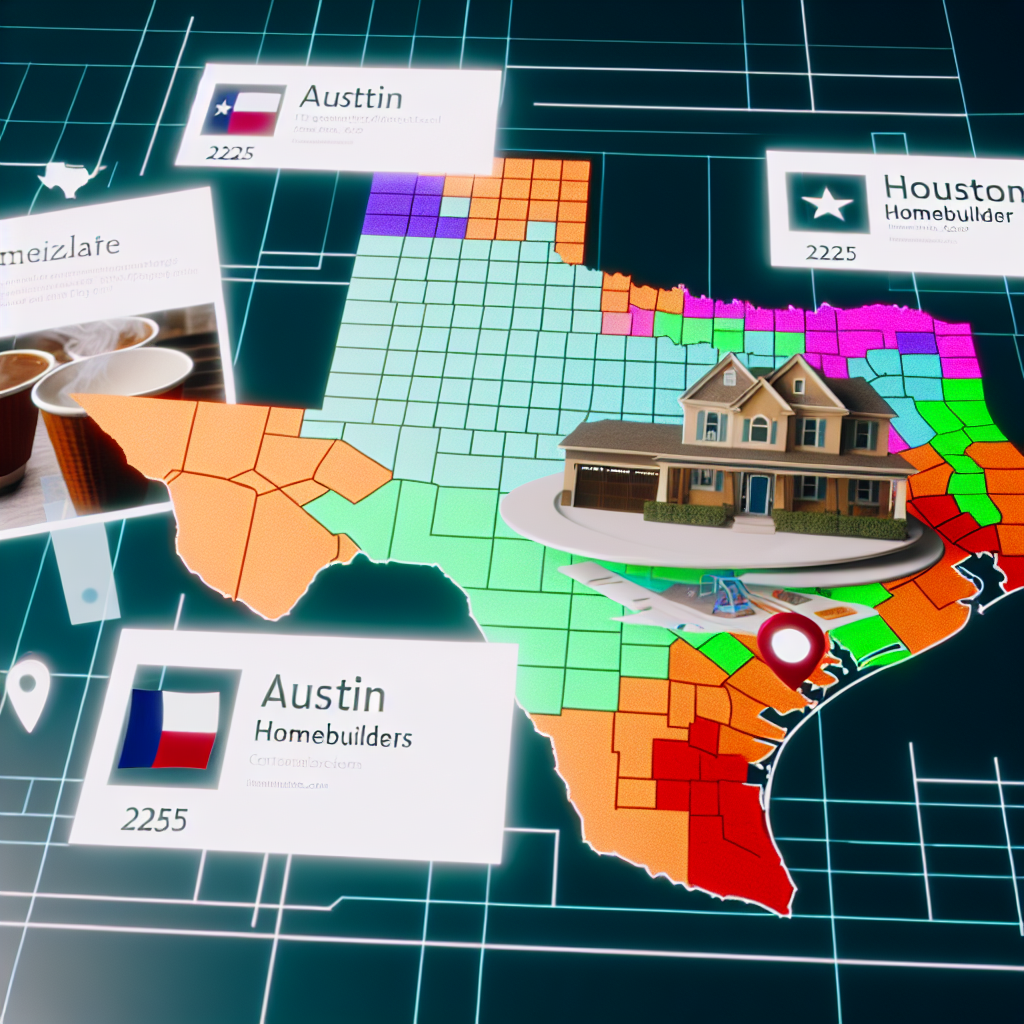
Understanding Consumer Behavior Through Zip Code Data
Consumer behavior in Texas is influenced by a variety of factors, including demographics, local culture, and economic conditions. By analyzing zip code data, businesses can gain insights into the preferences and purchasing habits of their target audience, allowing for more tailored marketing strategies.
For instance, a retail store in a suburban area may find that families prioritize value and convenience, while a boutique in an urban zip code might cater to young professionals seeking unique products. This understanding enables businesses to adjust their offerings and marketing messages to resonate with local consumers effectively.
Case Studies: Success Stories of Texas Businesses Using Zip Code Data
Many Texas businesses have successfully harnessed zip code data to enhance their operations and customer engagement. Through targeted marketing and localized strategies, these companies have seen significant growth and improved customer loyalty.
For example, a restaurant chain in Houston implemented zip code analysis to tailor its menu offerings to local tastes, resulting in a 20% increase in sales in specific areas. Similarly, an e-commerce business utilized zip code data to optimize its delivery routes, reducing shipping times and costs, which led to higher customer satisfaction ratings.
Challenges and Solutions in Using Zip Code Data
While zip code data offers valuable insights, businesses may face challenges in effectively leveraging this information. Issues such as data accuracy, integration with existing systems, and understanding the nuances of local markets can hinder implementation.
To overcome these challenges, businesses can invest in advanced data analytics tools and collaborate with local experts who understand the regional landscape. Additionally, continuous monitoring and adjustment of strategies based on real-time data can help businesses stay agile and responsive to market changes.
The Future of Zip Code Data Utilization in Texas
As technology continues to evolve, the potential for utilizing zip code data in Texas will only expand. Emerging trends such as artificial intelligence and machine learning will enable businesses to analyze vast amounts of data more efficiently, uncovering deeper insights into consumer behavior.
Looking ahead to 2025 and beyond, companies that embrace these advancements will be better positioned to adapt their strategies, enhance customer engagement, and ultimately drive growth. The integration of zip code data with other data sources will create a more comprehensive view of market dynamics, leading to smarter decision-making.