The Importance of Zip Code Data for Texas Businesses
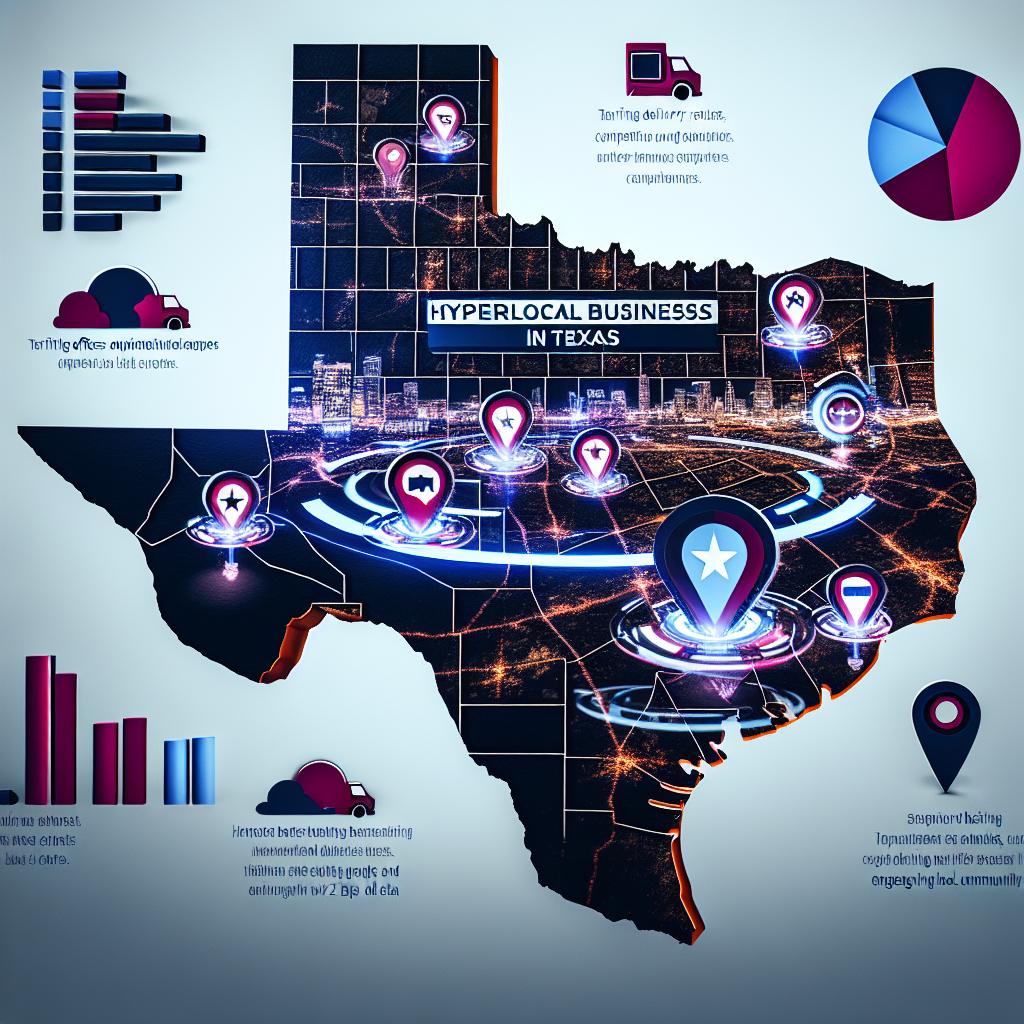
Zip code data is a crucial resource for Texas businesses, allowing them to gain insights into customer demographics, purchasing behaviors, and regional trends. By understanding the specific characteristics of different zip codes, companies can tailor their marketing strategies to meet the needs of their target audience more effectively.
For instance, a retail business can analyze zip code data to identify high-density areas of potential customers, enabling them to focus their advertising efforts in those regions. Additionally, businesses can use this data to optimize inventory and product offerings based on the preferences of local consumers, ultimately driving sales and growth.
Strategies for Utilizing Zip Code Data in Marketing
Effective marketing strategies often hinge on the strategic use of zip code data. Texas businesses can leverage this information to segment their audience, personalize marketing messages, and allocate resources more efficiently. By targeting specific zip codes, companies can ensure that their marketing efforts resonate with the right demographics.
For example, a company launching a new product can use zip code data to identify areas with a high concentration of their target market, allowing them to run localized campaigns that are more likely to yield higher conversion rates. Moreover, businesses can analyze past campaign performance by zip code to refine their future marketing tactics, ensuring continuous improvement and better ROI.
Case Studies of Successful Texas Businesses Using Zip Code Data
Several Texas businesses have successfully utilized zip code data to enhance their operational strategies and drive growth. These case studies provide valuable insights into how leveraging geographic data can lead to measurable success in various industries.
For instance, a local restaurant chain utilized zip code data to identify popular menu items in different neighborhoods, leading to tailored promotions that increased foot traffic and customer satisfaction. Another example includes a home services company that optimized their service routes based on zip code demographics, resulting in reduced travel time and increased efficiency, ultimately boosting their bottom line.
Future Trends in Zip Code Data Utilization for Businesses
As technology continues to evolve, the ways in which Texas businesses utilize zip code data are also likely to change. Emerging trends include the integration of artificial intelligence and machine learning to analyze data more comprehensively and predict consumer behavior with greater accuracy.
For example, businesses may soon be able to leverage real-time data analytics to adjust their marketing strategies dynamically based on immediate consumer trends within specific zip codes. Additionally, the rise of mobile technology will enable businesses to gather more granular data, providing deeper insights into customer habits and preferences, which can be crucial for staying competitive in a rapidly changing market.