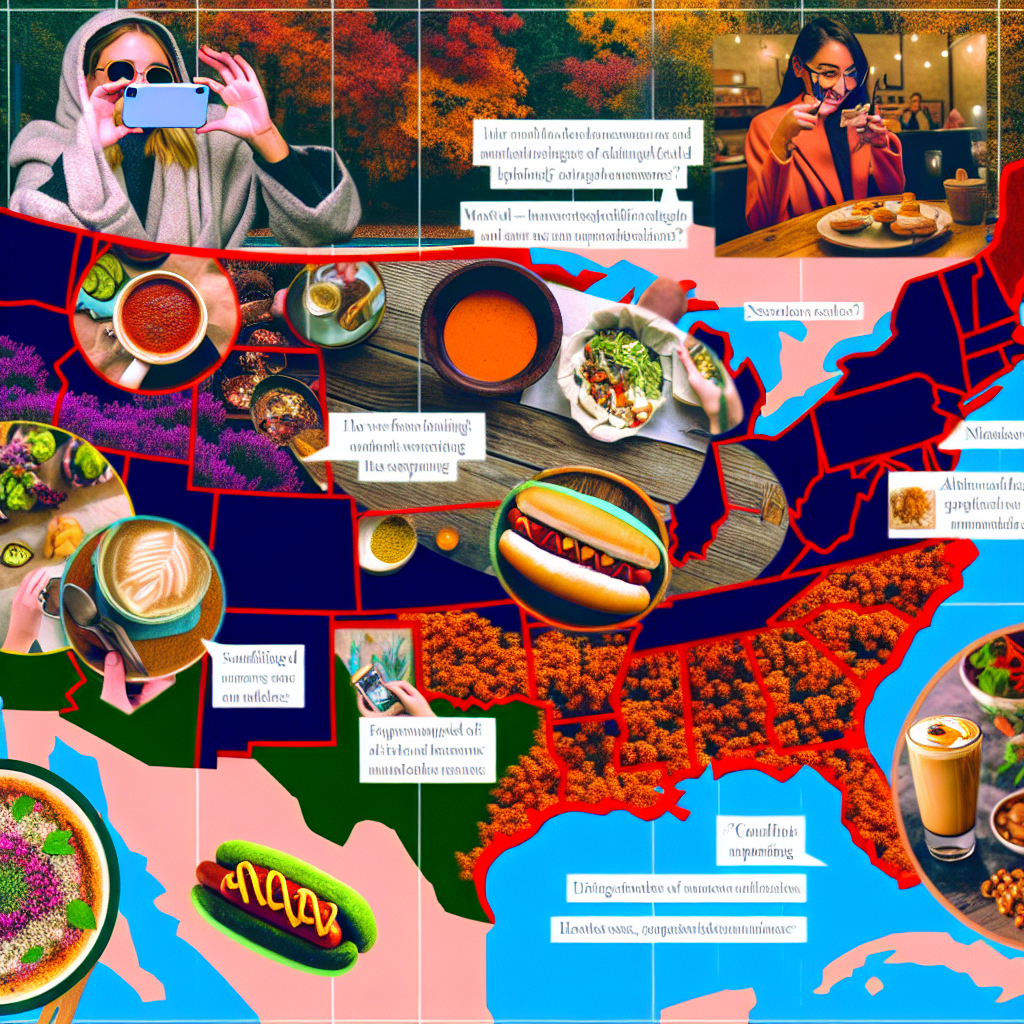
The Rise of Micro-Influencers in the Food Industry
Micro-influencers are redefining the marketing landscape within the food industry by offering authentic and relatable content that resonates with their followers. They often have smaller but highly engaged audiences, which allows them to create a sense of community around local dining experiences and culinary trends.
For example, a micro-influencer in a specific city might showcase hidden gems like family-owned restaurants or unique food festivals, encouraging their followers to explore these local spots. This grassroots approach not only promotes these businesses but also fosters a deeper connection between consumers and their local food culture.
Impact of Micro-Influencers on Local Dining Trends
Micro-influencers play a crucial role in shaping local dining trends by highlighting new culinary experiences and innovative dining concepts. Their ability to share personal stories and recommendations helps to elevate lesser-known establishments, making them more appealing to a broader audience.
For instance, a micro-influencer may share a post about a pop-up restaurant featuring a unique fusion cuisine, leading to increased foot traffic and social media buzz around that dining venue. This can significantly impact local economies by driving more customers to these businesses and encouraging culinary exploration.
How to Collaborate with Micro-Influencers for Your Food Brand
Collaborating with micro-influencers can be a game-changer for food brands looking to enhance their visibility and reach. By partnering with influencers who align with your brand values, you can tap into their loyal follower base and build credibility within the community.
Effective collaboration might include hosting tasting events, providing exclusive previews of new menu items, or even co-creating content that showcases your brand's story. Such partnerships not only amplify your marketing efforts but also create authentic connections with potential customers who trust the influencer's recommendations.
Exploring Viral Culinary Trends Driven by Micro-Influencers
Micro-influencers are at the forefront of introducing and popularizing viral culinary trends that capture the public's imagination. From unique food pairings to innovative cooking techniques, these influencers have the power to make certain trends go viral, influencing how people dine and cook at home.
For example, a trending dish such as a colorful rainbow bagel or a gourmet version of a classic comfort food can gain traction through social media posts from micro-influencers. Their ability to create visually appealing content encourages followers to try these trends, often resulting in a surge of interest and demand across various food markets.