The Role of Micro-Influencers in Food Marketing
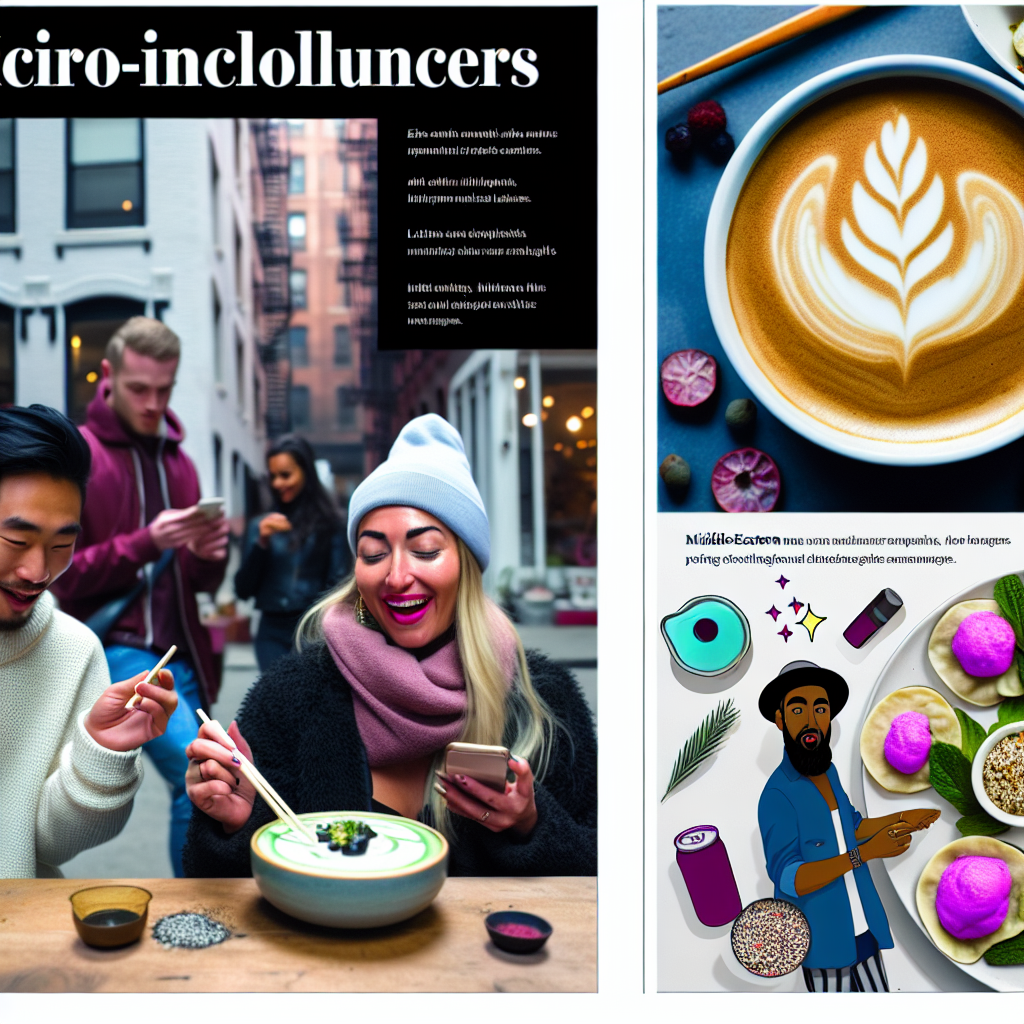
Micro-influencers have become pivotal in food marketing, leveraging their authenticity and niche audiences to promote culinary experiences. Unlike traditional celebrities, these influencers often have a closer connection with their followers, which translates into higher engagement rates and trust.
For example, a micro-influencer specializing in vegan cuisine can sway their audience’s dining choices by sharing personal experiences and recommendations. Studies show that consumers are more likely to trust peer reviews from influencers they follow, leading to increased foot traffic in local restaurants and heightened interest in specific food trends.
How Micro-Influencers Shape Dining Trends
Micro-influencers play a crucial role in shaping dining trends by highlighting emerging culinary styles and local eateries through their platforms. Their ability to curate and share unique dining experiences fosters a sense of community among food enthusiasts.
For instance, a micro-influencer might spotlight a newly opened farm-to-table restaurant, showcasing its seasonal menu through engaging content. This not only drives awareness but also encourages followers to explore these dining options, ultimately influencing broader culinary trends within the community.
Consumer Behavior and Micro-Influencer Impact
The influence of micro-influencers extends beyond mere recommendations; they significantly affect consumer behavior in the food industry. Their authentic storytelling resonates with audiences, making followers more inclined to try new dishes or visit new restaurants.
Research indicates that 70% of millennials are influenced by social media when making dining decisions, with micro-influencers being a key driver. Their relatable content often leads to increased consumer loyalty and a shift in dining preferences, as followers seek to replicate the experiences showcased online.
Success Stories: Brands Leveraging Micro-Influencers
Many food brands have successfully harnessed the power of micro-influencers to enhance their marketing strategies. By collaborating with these influencers, brands can tap into dedicated audiences and create authentic connections that resonate with potential customers.
For example, a local brewery may partner with micro-influencers to promote a new craft beer. The influencer’s posts, featuring tastings and behind-the-scenes brewery tours, can generate buzz and attract a crowd eager to experience the brand firsthand, demonstrating the effectiveness of this marketing approach.