

How Micro-Influencers Shape Food Culture Across Cities
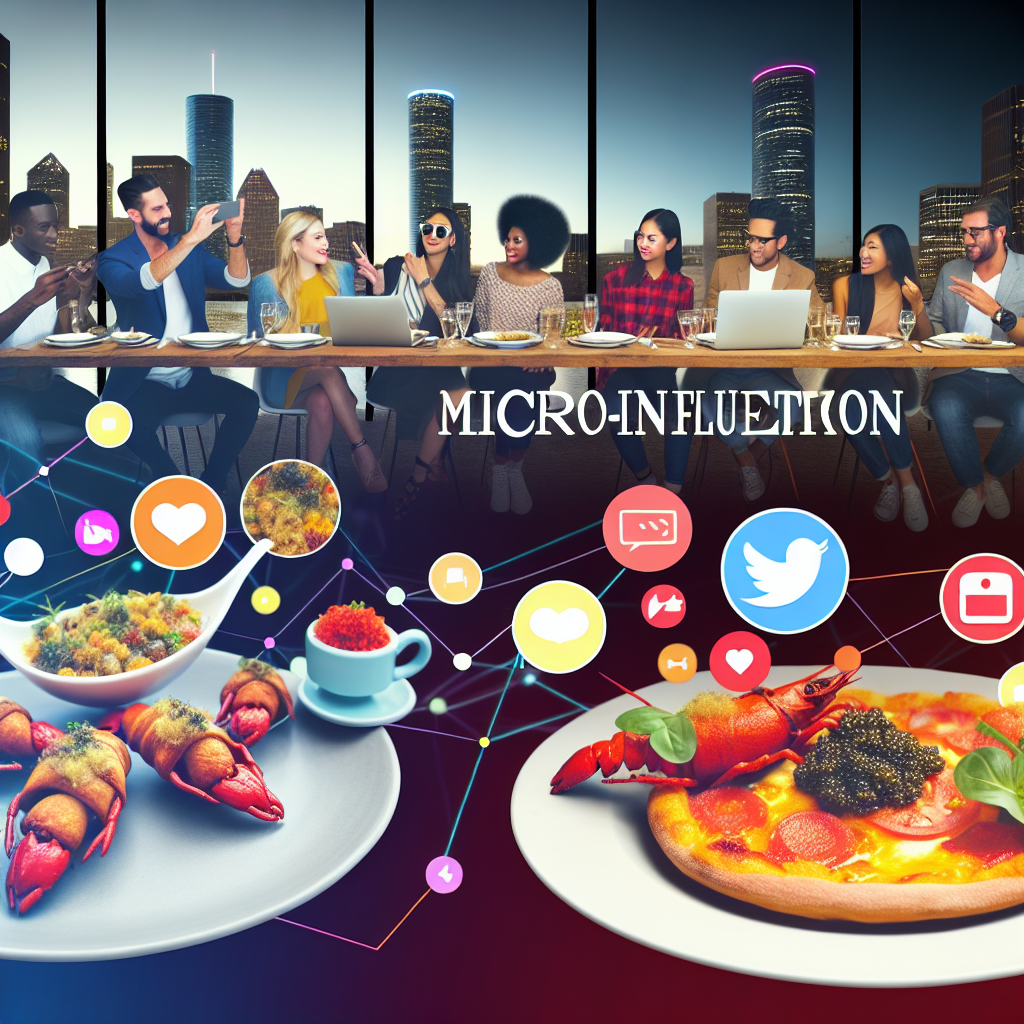
Micro-Influencers Impact: Shaping the Future of Food Culture City by City

Micro-Influencers Impact: Shaping the Future of Food Culture City by City
Micro-influencers play a pivotal role in shaping culinary trends by leveraging their authentic connections with local audiences. Unlike traditional influencers, they often have a smaller but highly engaged following, which allows them to create a sense of community and trust around their food recommendations.
For instance, a micro-influencer in a specific city might highlight hidden gems or unique dining experiences that resonate with their followers. This grassroots approach can lead to increased foot traffic for local restaurants and a renewed interest in regional cuisines, ultimately influencing broader culinary trends.
Understanding the impact of micro-influencers on food culture requires a city-specific analysis, as each location has its unique culinary landscape. This localized approach helps identify which influencers are shaping dining preferences and how their recommendations vary across different regions.
For example, in cities known for their street food culture, micro-influencers may focus on food trucks and pop-up eateries, while in metropolitan areas, they might highlight fine dining establishments. By analyzing these trends, businesses can better tailor their marketing strategies to align with local consumer behavior.
Local restaurants can enhance their visibility and appeal by collaborating with micro-influencers who align with their brand values. These partnerships can take various forms, including sponsored posts, exclusive tasting events, or social media takeovers, all designed to engage the influencer's audience and generate buzz.
For instance, a new restaurant might invite local food bloggers to a soft opening, allowing them to share their experiences in real-time. This not only creates anticipation among their followers but also provides the restaurant with valuable feedback and exposure to a wider audience.
Measuring the success of collaborations with micro-influencers is essential for understanding their impact on food culture and business growth. Key performance indicators (KPIs) such as engagement rates, follower growth, and increased foot traffic can provide insights into the effectiveness of these partnerships.
For example, a restaurant might track the number of new customers visiting after a micro-influencer's post, as well as social media interactions during and after the campaign. This data-driven approach allows businesses to refine their influencer marketing strategies and maximize their return on investment.
 Optimized by Seraphinite Accelerator
