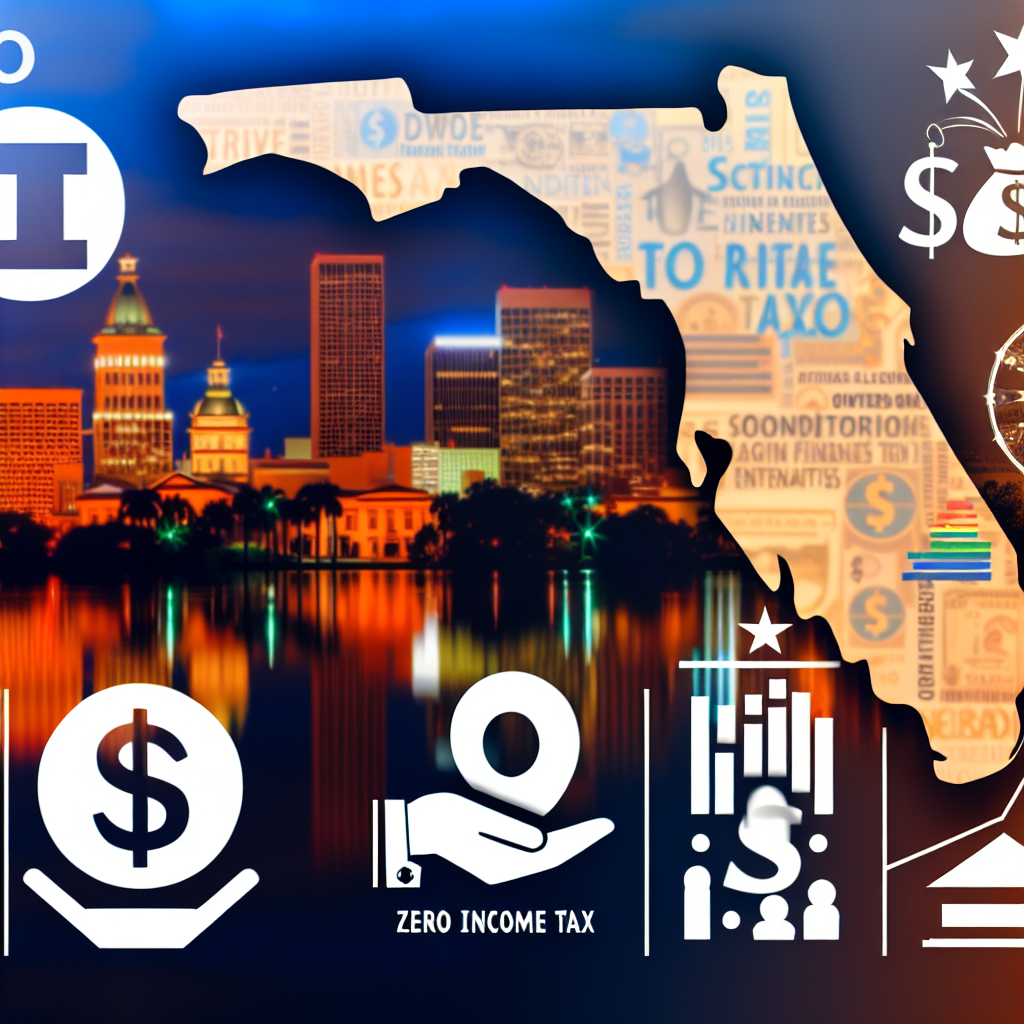
Understanding Florida's Tax Benefits for Residents
Florida is known for its favorable tax environment, which can significantly benefit both individuals and businesses. The absence of a state income tax is one of the most appealing aspects, allowing residents to retain more of their earnings compared to states with high income taxes.
In addition to the lack of a state income tax, Florida offers various tax credits and exemptions that can further enhance financial savings. For instance, homestead exemptions can reduce property taxes for primary residences, and there are specific tax incentives for businesses that invest in certain sectors, such as technology and tourism.
Tax Strategies for Remote Workers in Florida
With the rise of remote work, many individuals are now considering Florida as their primary residence due to its tax advantages. Remote workers can benefit from Florida's tax structure while enjoying a high quality of life with access to beautiful beaches and a vibrant culture.
To maximize tax savings, remote workers should keep detailed records of their income and expenses related to their work. Additionally, understanding the implications of working for out-of-state companies can help avoid unexpected tax liabilities and ensure compliance with local regulations.
Tax Planning for Retirees in Florida
Florida is a popular destination for retirees, and understanding tax planning is crucial for managing finances in retirement. The state not only offers no state income tax but also provides various tax breaks on retirement income, making it an attractive option for those looking to stretch their retirement savings.
Retirees should consider strategies such as tax-efficient withdrawals from retirement accounts and taking advantage of exemptions on Social Security benefits. Consulting with a tax professional can help retirees navigate the complexities of tax laws and optimize their financial situation.
Preparing for Changes in Florida Tax Laws for 2025
As tax laws evolve, staying informed about potential changes is essential for both individuals and businesses in Florida. The upcoming year may bring new regulations that could impact tax strategies, making it crucial to adjust financial plans accordingly.
Engaging with tax professionals and following state legislative updates can provide valuable insights into how changes may affect personal and business taxes. Proactive planning can help mitigate risks and ensure compliance while maximizing available tax benefits.