

How Micro-Influencers Are Shaping America’s Local Food Scene
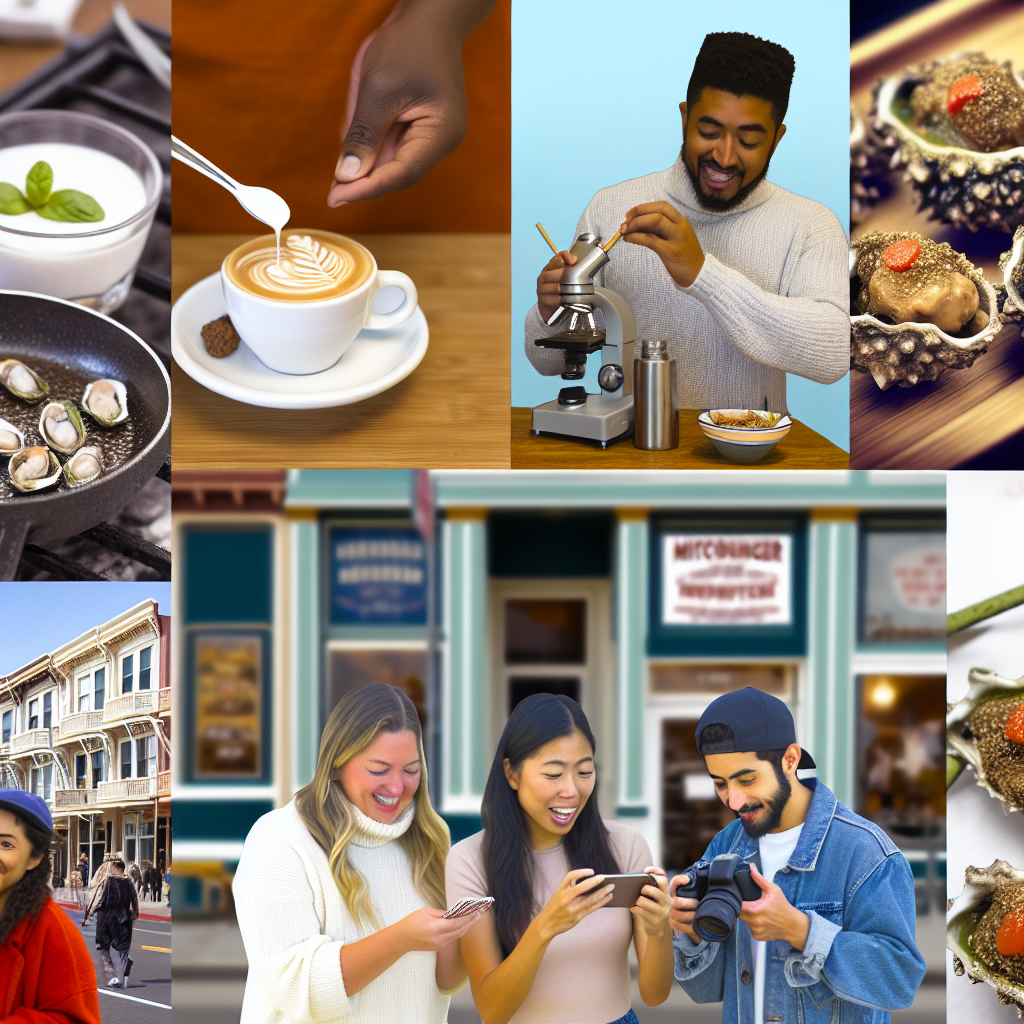
The Micro-Influencer Impact on America’s Food Scene: How Local Tastemakers Are Reshaping Culinary Culture

The Micro-Influencer Impact on America’s Food Scene: How Local Tastemakers Are Reshaping Culinary Culture
Micro-influencers play a crucial role in promoting local restaurants by leveraging their personal connections and authentic engagement with their followers. Their recommendations often carry more weight than traditional advertising, as they are seen as relatable and trustworthy sources of information.
For instance, a micro-influencer might share a post about their favorite local eatery, highlighting unique menu items and their personal experiences. This kind of organic promotion can lead to increased foot traffic and awareness for the restaurant, demonstrating the tangible impact these influencers have on local culinary businesses.
Social media serves as a powerful platform for micro-influencers to shape culinary trends by showcasing new dishes, food styles, and dining experiences. Their ability to reach niche audiences allows them to introduce and popularize trends that may not receive attention through mainstream channels.
For example, a viral food trend, such as gourmet food trucks or plant-based dining, often starts with micro-influencers sharing their experiences online. As followers engage with this content, they are more likely to explore these trends themselves, further amplifying their reach and influence within the community.
Micro-influencers foster community by creating food experiences that bring people together, such as pop-up events or local food tours. These gatherings not only highlight local cuisine but also strengthen the bonds between food lovers and local businesses.
Events organized by micro-influencers often feature collaborations with local chefs and artisans, allowing communities to discover new flavors while supporting small businesses. This engagement not only enhances the culinary landscape but also builds a sense of belonging among participants, reinforcing the micro-influencer's role as a local tastemaker.
The future of micro-influencer marketing in the food industry looks promising as brands increasingly recognize the value of authentic connections with consumers. With the rise of digital platforms, micro-influencers are expected to play an even more significant role in shaping food trends and consumer preferences.
As businesses adapt to changing marketing landscapes, collaborations with micro-influencers will likely become a standard practice. This shift will ensure that local culinary cultures continue to thrive, driven by the genuine recommendations and creativity of these influential individuals.
 Optimized by Seraphinite Accelerator
