


- Home
- Business Services
- Blog
- Contact Us
Customer Loyalty Programs for Local Businesses | Retention Strategies
- Uncategorized
- Apr 25
- Share post

Customer Loyalty Programs for Local Businesses: Effective Retention Strategies to Boost Engagement and Sales
Customer loyalty programs are essential tools for local businesses aiming to enhance customer retention and drive sales. These programs not only reward repeat customers but also foster a sense of community and belonging. In this article, we will explore the various types of customer loyalty programs, their benefits, and effective strategies for implementation. By understanding these elements, local businesses can create tailored programs that resonate with their customer base and ultimately improve their bottom line. We will also discuss how integrating these programs with local SEO can further enhance visibility and engagement.
Why Are Customer Loyalty Programs Essential for Local Business Retention?
Customer loyalty programs are vital for local businesses as they significantly enhance customer retention rates. Retaining existing customers is often more cost-effective than acquiring new ones, with studies showing that increasing customer retention by just 5% can lead to a profit increase of 25% to 95%. These programs create a structured way to reward customers for their loyalty, encouraging repeat purchases and fostering long-term relationships.
How Do Loyalty Programs Increase Customer Lifetime Value and Repeat Purchases?
Loyalty programs increase customer lifetime value (CLV) by incentivizing repeat purchases through rewards and discounts. For instance, a points-based system allows customers to accumulate points with each purchase, which can later be redeemed for discounts or free products. This not only encourages customers to return but also increases the average transaction value as they aim to reach the next reward tier. Successful examples include Starbucks, which has effectively used its rewards program to boost customer engagement and sales.
What Are the Key Benefits of Loyalty Programs for Small Businesses?
Loyalty programs offer several key benefits for small businesses:
- Increased Customer Retention: By rewarding repeat customers, businesses can significantly enhance retention rates.
- Enhanced Customer Engagement: Programs that offer personalized rewards can lead to deeper customer relationships.
- Improved Brand Loyalty: Customers are more likely to choose a brand they feel connected to, leading to increased loyalty.
Companies By Zip Code aims to connect users with local businesses and provide essential business services, helping them implement effective loyalty programs that can drive these benefits.
What Types of Loyalty Programs Work Best for Local Businesses?
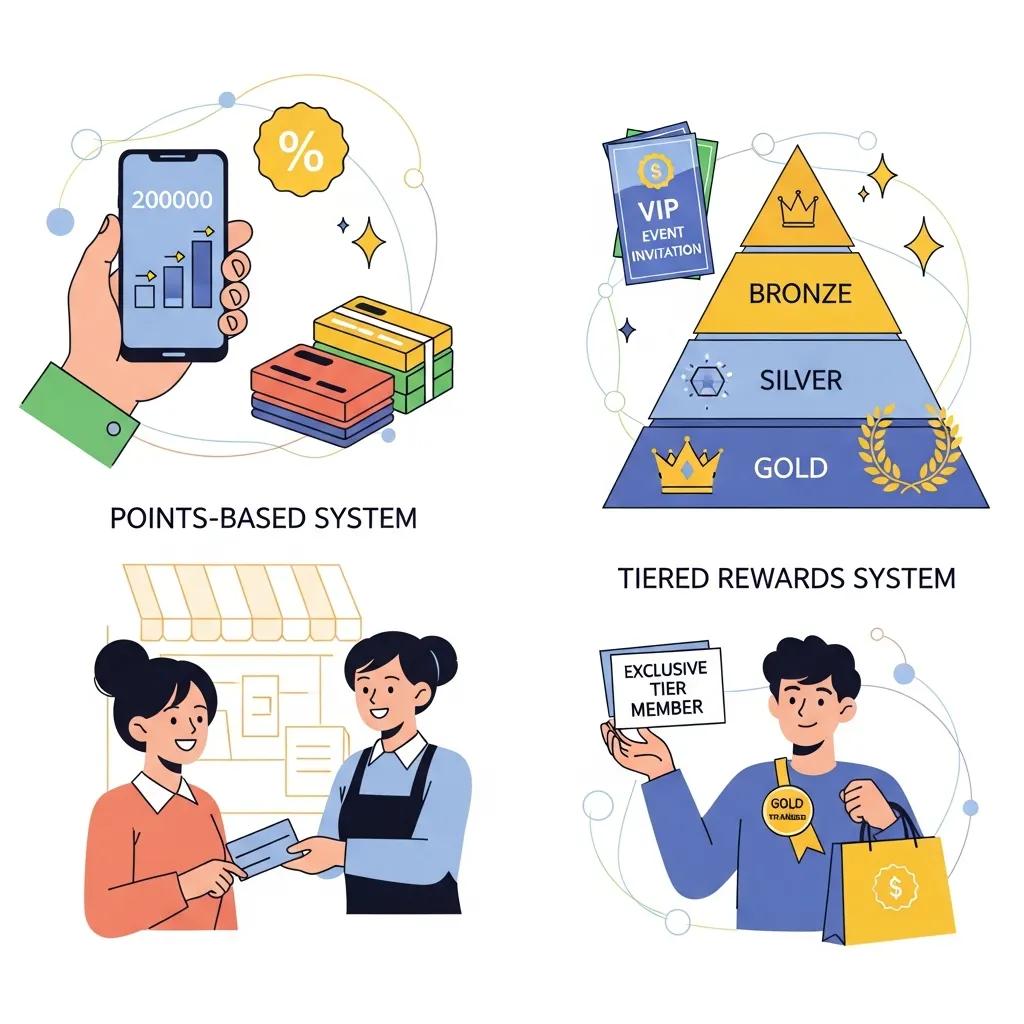
Local businesses can choose from various loyalty program types, each with unique advantages. Understanding these options allows businesses to select the best fit for their customer base.
How Do Points-Based and Tiered Rewards Systems Drive Customer Engagement?
Points-based loyalty programs reward customers with points for every purchase, which can be redeemed for discounts or free items. Tiered rewards systems take this a step further by offering different levels of rewards based on customer spending. This structure encourages customers to spend more to reach higher tiers, thus increasing overall sales. For example, a local coffee shop might offer a free drink after every ten purchases, while a tiered system could provide additional perks for customers who reach gold or platinum status.
What Role Do Referral and Subscription Models Play in Local Customer Retention?
Referral programs incentivize existing customers to bring in new customers, often rewarding both parties with discounts or bonuses. Subscription models, on the other hand, provide customers with ongoing benefits for a regular fee, ensuring consistent revenue for the business. For instance, a local gym might offer a monthly subscription that includes access to exclusive classes and discounts on merchandise, fostering a loyal community of members.
How Can Local Businesses Implement Effective Loyalty Programs Easily?
Implementing a loyalty program can be straightforward with the right strategies in place.
What Are the Step-by-Step Strategies for Launching a Loyalty Program?
- Define Objectives: Determine what you want to achieve with your loyalty program, such as increased sales or customer retention.
- Choose a Program Type: Select a loyalty program type that aligns with your business model and customer preferences.
- Promote the Program: Use in-store signage, social media, and email marketing to inform customers about the program.
- Monitor and Adjust: Regularly assess the program’s performance and make adjustments based on customer feedback and engagement metrics.
How Does Personalization Enhance Loyalty Program Success in Local Markets?
Personalization is key to enhancing the success of loyalty programs. By analyzing customer data, businesses can tailor rewards and communications to individual preferences, making customers feel valued. For example, a local bakery could send personalized offers for a customer’s favorite pastry, increasing the likelihood of repeat visits. This approach not only boosts engagement but also strengthens the emotional connection between the customer and the brand.
How Can Loyalty Programs Be Integrated with Local SEO and Business Listings?
Integrating loyalty programs with local SEO strategies can significantly enhance a business’s visibility and customer engagement.
What Are the Benefits of Linking Loyalty Programs to Local Search Visibility?
Linking loyalty programs to local search visibility can attract new customers searching for businesses in their area. By optimizing business listings with information about loyalty programs, businesses can stand out in search results. For instance, a local restaurant that highlights its loyalty program on Google Business Profile can entice potential customers looking for dining options that offer rewards.
How Does Geo-Targeting by Zip Code Improve Customer Engagement?
Geo-targeting allows businesses to send targeted promotions to customers based on their location. By utilizing zip code data, local businesses can tailor their marketing efforts to specific neighborhoods, enhancing relevance and engagement. For example, a local retailer could offer exclusive discounts to customers within a certain radius, encouraging them to visit the store.
How Do Local Businesses Measure the Success and ROI of Loyalty Programs?

Measuring the success of loyalty programs is crucial for understanding their impact on business performance.
Which Key Performance Indicators Track Customer Retention and Program Effectiveness?
- Customer Retention Rate: Measures the percentage of customers who continue to engage with the business over time.
- Average Transaction Value: Tracks changes in spending behavior among loyalty program members.
- Redemption Rate: Indicates how often customers redeem their rewards, reflecting program engagement.
How Can Businesses Use Data to Optimize Loyalty Strategies Over Time?
Data analysis is essential for optimizing loyalty strategies. By tracking customer behavior and preferences, businesses can refine their programs to better meet customer needs. For instance, if data shows that customers prefer certain rewards, businesses can adjust their offerings accordingly. This continuous improvement process ensures that loyalty programs remain relevant and effective.
What Are the Emerging Trends in Customer Loyalty Programs for Local Businesses in 2026?
As we look towards 2026, several emerging trends are shaping the future of customer loyalty programs.
How Is Emotional Loyalty Transforming Customer Retention Strategies?
Emotional loyalty focuses on creating a deeper connection between customers and brands. Businesses that foster emotional loyalty through personalized experiences and community engagement are likely to see higher retention rates. For example, a local bookstore that hosts community events and book clubs can create a loyal customer base that feels a strong connection to the brand.
Research further supports the idea that emotional connections are pivotal in building lasting customer loyalty, particularly in service-oriented businesses like restaurants.
Emotional Bonding for Restaurant Loyalty
emotional bonding in fostering loyalty at casual-dining restaurants. The questions I considered are: Does affective commitment lead to loyalty?
Emotional bonding and restaurant loyalty, AS Mattila, 2001
What Role Do Gamification and AI-Driven Personalization Play in Modern Loyalty Programs?
Gamification involves incorporating game-like elements into loyalty programs to enhance engagement. This can include challenges, leaderboards, and rewards for achieving specific milestones. Additionally, AI-driven personalization allows businesses to tailor experiences and rewards based on individual customer data, making loyalty programs more effective. For instance, a local fitness center might use AI to recommend personalized workout plans and rewards based on a member’s activity level.
| Loyalty Program Type | Description | Benefits |
|---|---|---|
| Points-Based | Customers earn points for purchases, redeemable for rewards | Encourages repeat purchases, easy to implement |
| Tiered Rewards | Different levels of rewards based on spending | Motivates higher spending, enhances customer loyalty |
| Referral Programs | Incentivizes customers to refer new clients | Expands customer base, builds community |
The table above summarizes the various types of loyalty programs and their respective benefits, highlighting how local businesses can leverage these strategies to enhance customer retention and engagement.
